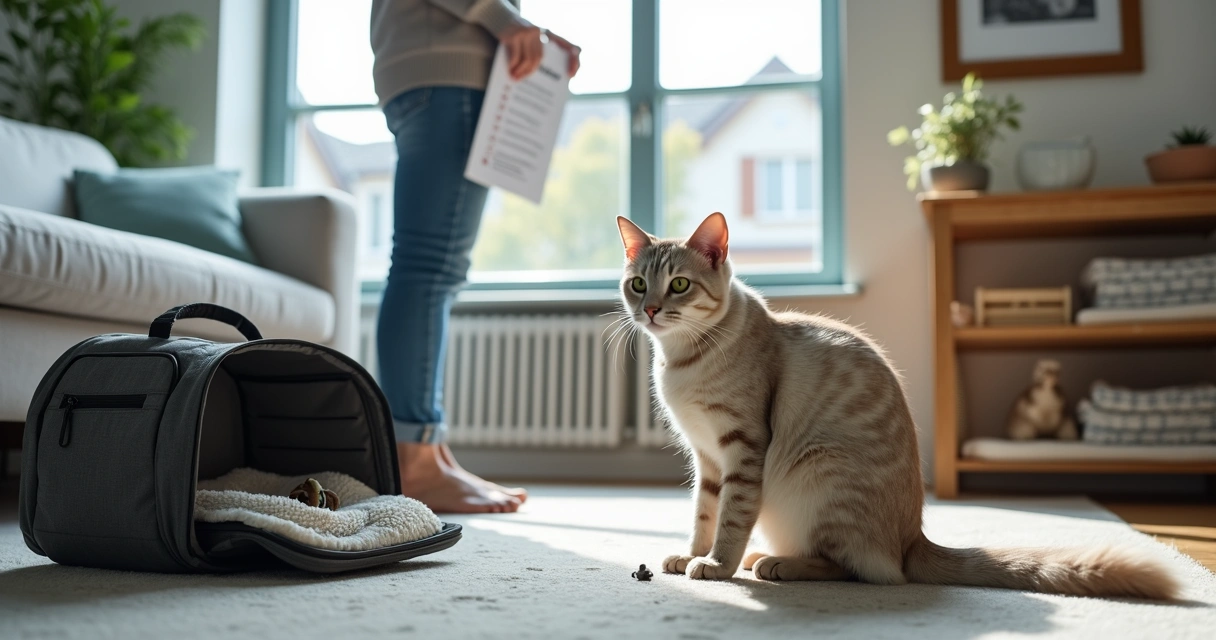
Every cat is unique, but for those living with an anxious feline, even the thought of time apart weighs heavy. Whether you’re planning a vacation, a business trip, or facing a family emergency, choosing between boarding your cat or bringing them along can feel overwhelming. I’ve seen how that decision shapes both the pet’s comfort and the owner’s peace of mind. Today, I’ll share what research and experience have taught me, and how places like Dogtown in Gloucester, MA, can support your anxious companion through safe, enriching care options.
Understanding anxious cats: What really worries them?
As I’ve learned over years with cats, anxiety isn’t just “shyness.” It can show up as hiding, aggression, loss of appetite, or excessive grooming. Often, anxiety becomes most obvious when routines change or when they’re separated from familiar people.
In fact, a study in the Journal of Feline Medicine and Surgery found that over 42% of cats showed aggression at the vet. This aggression was often linked to home behavior problems, including separation-related behaviors. Another retrospective study looked at cats with separation anxiety and found:
- Inappropriate urination or defecation
- Excessive vocalization
- Destructiveness
- Compulsive grooming
These are the red flags I watch for when someone mentions their cat is “nervous” or doesn’t “like to travel.”
Some cats fear new places more than being left at home.
Should you board or bring your anxious cat?
This question comes up often. There’s no single answer, but there are proven ways to weigh your choices. Here’s my process:
Assess your cat's specific anxiety triggers
Think back to the last time you moved furniture or had visitors. Did your cat hide for hours? Did they vocalize or refuse to eat? Try to identify if your cat’s anxiety stems from:
- Changes in their environment
- Being separated from you
- Exposure to new people, smells, or sounds
- Travel or transportation
Knowing this helps predict if bringing your cat would create more or less stress than a stay away from home.
Consider the pros and cons: Boarding versus travel
Here’s what I often tell cat owners:
- Boarding is best for cats who fear travel and new places, especially if the facility offers personalized, low-stress care.
- Bringing along might suit cats who are strongly bonded to one owner and accustomed to new environments.
- Leaving an anxious cat home alone with a pet sitter sometimes works, but is not always possible or safe for high-anxiety animals.
In my experience, cats who travel rarely, or who have negative associations with carriers, find travel especially tough. Studies confirm this: a survey showed that 88.7% of cats are viewed as stressed during vet trips, and most owners see the travel as harder on the cat than on themselves.
Boarding for anxious cats: What to look for
I have seen some cats flourish in dedicated boarding settings, especially when the staff understand feline body language, diet, and daily routines. A two-week study of cat acclimation to boarding found that about two thirds of cats settled well, but a third experienced stress, and a small number never acclimated.
This tells me we must be selective. I look for:
- Quiet, climate-controlled cat-only areas, away from dogs
- Consistent daily routines and feeding schedules
- Experienced caregivers attuned to signs of feline stress
- Private spaces where shy cats can hide
- Optional grooming and enrichment services—like those at Dogtown's cat grooming facility
Not every boarding space is made for anxious cats. Choose with care.
At Dogtown’s cat boarding facility, pre-enrollment assessments are used to match cats with appropriate accommodations and care approaches, which I see as an ideal way to safeguard well-being.
Traveling with an anxious cat: Is it ever easier?
For some, bringing the cat is necessary or simply preferred. Maybe you’re relocating, facing a long trip, or unable to find suitable boarding. Still, travel is one of the biggest anxiety triggers. Over 2 million pets fly each year in the USA—around 22% are cats. However, studies suggest that travel is likely stressful for most cats, even though direct evidence is sparse.
I always follow these steps if travel is unavoidable:
- Get the cat used to the carrier over several weeks—never wait until the last minute.
- Use familiar bedding or clothing that smells like home in the carrier.
- Feed and water lightly before travel to reduce nausea and eliminate discomfort.
- Ask your vet about safe, calming products or anxiety medication.
- Research your destination for pet-friendly housing or rules.
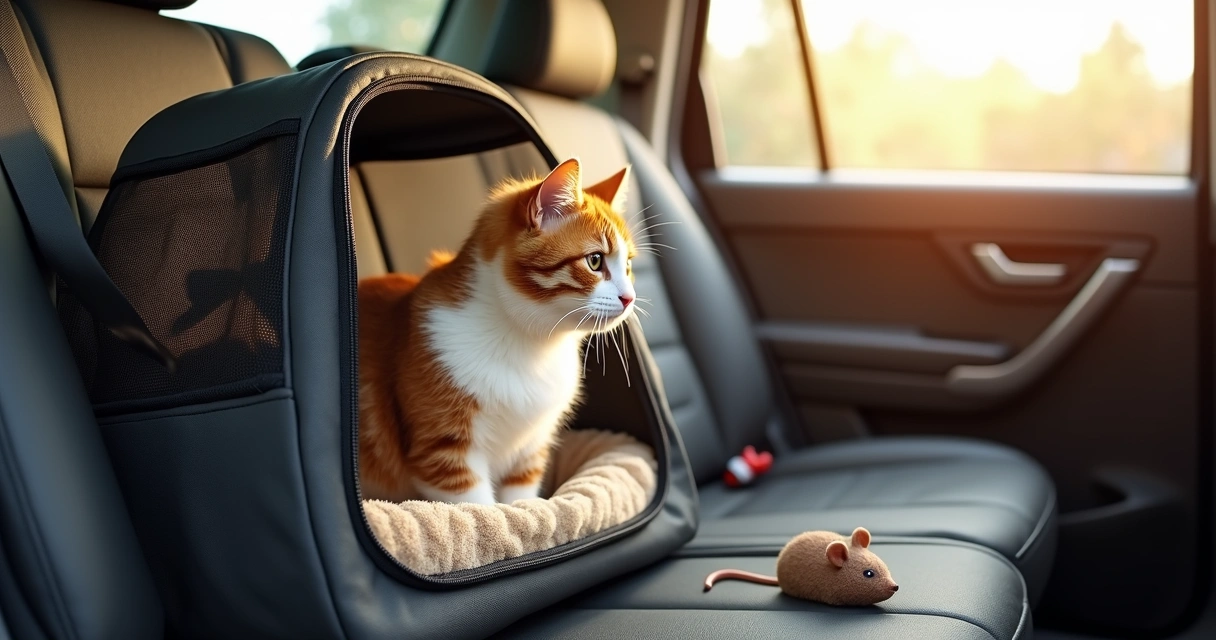
I’ll never forget one trip when my own cat, who'd never traveled before, hid in his carrier for the entire journey. Only after we reached our hotel did he come out, cautiously, to sniff the room and finally relax.
Personalized support and enrichment: Why it matters
Whether you choose boarding or travel, anxious cats crave stability. At Dogtown’s day camp, pets receive daily structured activities and professional supervision. This helps allay anxiety for many pets, including those that need extra reassurance. Daily feedback for owners is also a huge relief for worriers like me.
I also believe in the benefit of individualized training and socialization for anxious pets. For example, learning to tolerate a carrier, walk on a harness, or just stay calm for short periods can help ease transitions. Programs like the personalized cat training at Dogtown use positive reinforcement, which I’ve found is much more effective than force or scolding.
Practical steps for deciding what’s right for your cat
When a friend asks me, “Should I board or bring my cat?” I go through this short list with them:
- List your cat’s known fears and how severe their reactions are
- Think about how long you’ll be away and how much change your cat will need to handle
- Schedule a pre-visit or assessment at the boarding facility (which Dogtown offers free)
- Discuss options with your vet, especially if your cat has a history of medical or behavioral concerns
- Trust your instincts—you know your cat best
And if you want to learn about day programs for cats but also have dogs, consider options with canine supervision at Dogtown’s dog daycare for a more mixed-pet household.

Conclusion: Personalized care means peace of mind for anxious cats and owners
Deciding between boarding or bringing along your anxious cat means looking at their personality, your trip details, and the options available in your area. With thoughtful planning, expert support, and gentle, personalized care—like what Dogtown provides—you can keep your cat’s stress as low as possible, and feel good about your choices. If you’re ready to give your anxious pet a caring, low-stress experience, reach out to Dogtown to schedule an assessment or tour. Your peace of mind starts with a team that understands both you and your pet.
Frequently asked questions
What is the best option for anxious cats?
The best option for anxious cats is usually a familiar, stable environment with minimal new stimuli. For many, this means quality boarding at a facility specialized in caring for nervous felines, like Dogtown in Gloucester, where staff provide individual attention and quiet spaces. For a small number of cats unusually bonded to their owner and used to travel, bringing them along may cause less stress. Always match the option to your cat’s unique temperament and needs.
How can I calm my cat during travel?
To calm your cat during travel, start with gentle carrier training weeks in advance, use familiar bedding, and minimize loud noises or sudden changes. Bring a favorite toy, and consider pheromone sprays or vet-approved calming products. Keep travel short when possible, and talk softly to your cat. In more severe cases, ask your vet for advice on medications or supplements.
Is boarding safe for anxious cats?
Boarding can be safe for anxious cats if the facility offers low-stress handling, quiet environmental controls, and personalized accommodations. Look for special attention to shy or nervous pets, private spaces, and staff trained in feline behavior. Facilities like Dogtown conduct pre-boarding assessments to ensure every cat’s comfort and safety.
How do I choose a cat boarding facility?
Choose a cat boarding facility with dedicated cat-only areas, daily routines aligned with your cat’s habits, and experienced, caring staff. Prioritize facilities that offer enrichment, optional grooming, and daily owner updates. A pre-boarding assessment, like the one Dogtown provides, helps match your cat with the right care.
What are signs my cat is too stressed?
Signs of severe feline stress include refusal to eat or drink, persistent hiding, inappropriate urination or defecation, aggression, excessive vocalizing, or compulsive grooming. If these signs persist beyond a day or two, or worsen, seek advice from your vet or discuss alternative care solutions.