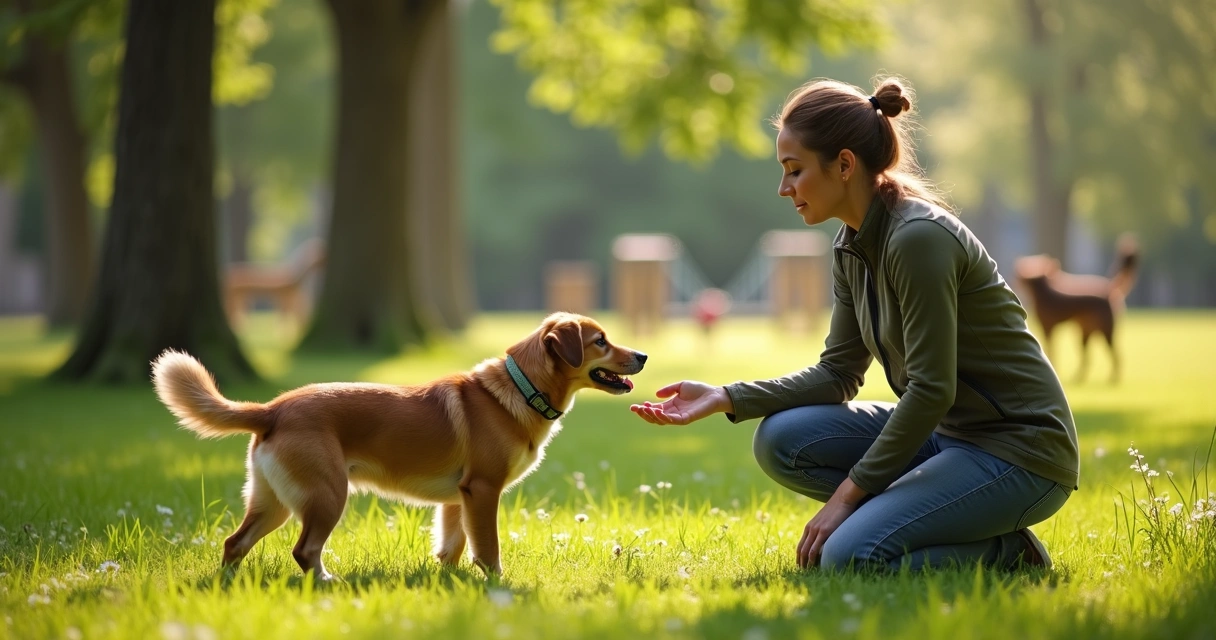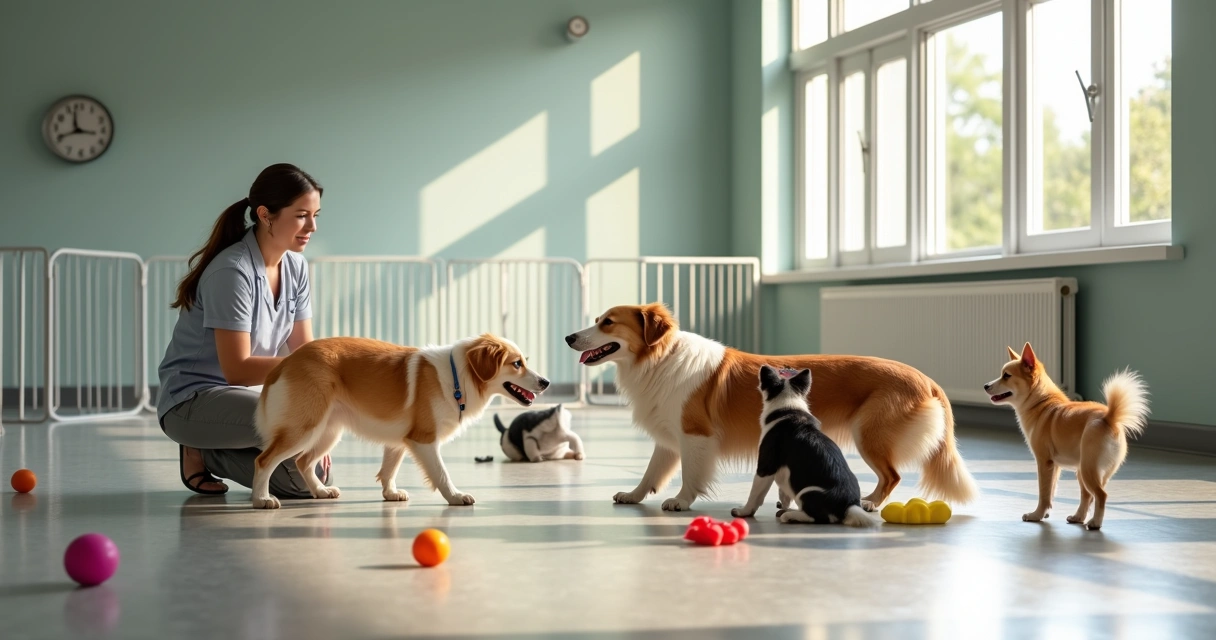
As someone passionate about animal care and behavior, I’ve watched how “reactive” dogs are misunderstood. Many people think a reactive dog should stay isolated, but that’s only part of the picture. Supervised playgroups, when done right, can bring these dogs new confidence—and even friendships—in a safe, structured setting. In this article, I’ll share important facts, my perspectives, and professional insights on how these playgroups are creating better lives for reactive dogs and their families, much like the approach we take at Dogtown in Gloucester, MA.
What is a reactive dog?
Before anything else, it’s useful to define what “reactive” really means in dogs. I’ve seen many pet parents use the term broadly for anything that looks high-energy or intense. But in my experience, a true reactive dog reacts with barking, lunging, or even growling when exposed to certain triggers—such as unfamiliar dogs, people, bicycles, or noises.
The Environmental Literacy Council shares that about 75% of dog owners see some type of reactive behavior in their pets. That is three out of every four dog families. Sometimes, these dogs simply need a different path to social living.
Why supervised playgroups can make a difference
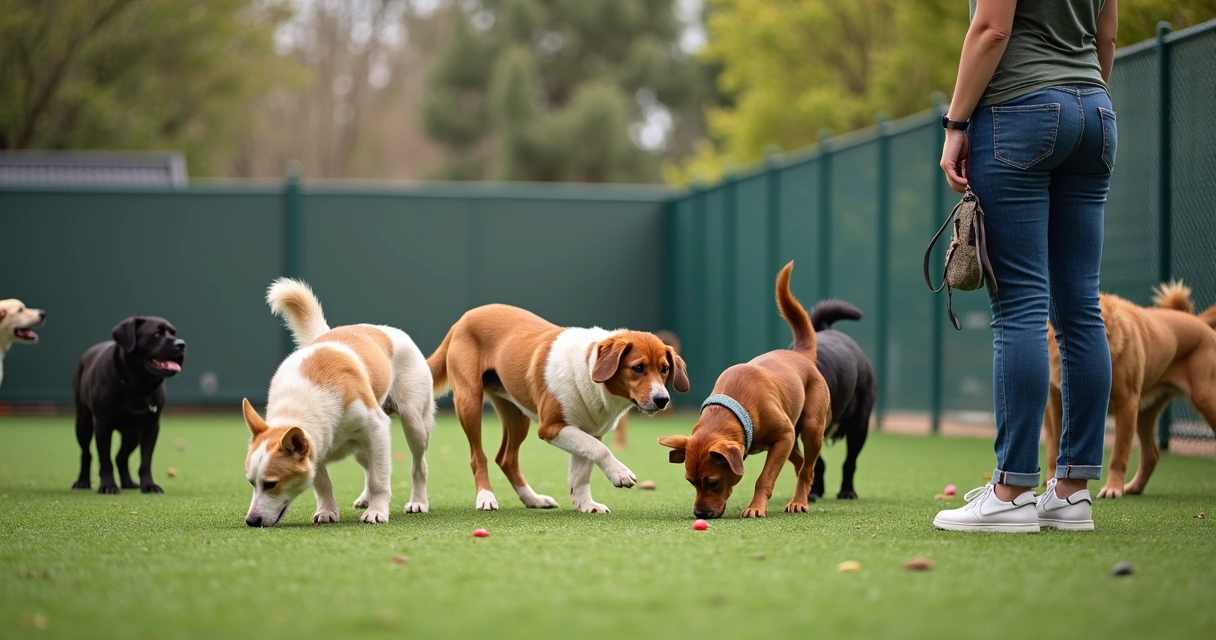
Traditional unstructured dog parks often lead to sensory overload for sensitive dogs. In contrast, supervised playgroups work differently.
Supervised playgroups offer a controlled, staff-monitored setting where dogs can safely interact, with interventions when necessary to keep everyone secure.
Here’s how these playgroups stand out:
- Expert supervision: Trained handlers read dog body language and know when to intervene.
- Small, well-matched groups: Playmates are carefully chosen based on size, temperament, and energy.
- Safe introductions: Dogs enter the group gradually, often after a meet-and-greet or an assessment—just like we offer at Dogtown before enrolling a new pets.
- Continuous education: Handlers reinforce good manners and break up potential scuffles before they start.
From my own work, I’ve seen how these factors lower stress and create opportunities for positive experiences. Research reviewed by Maddie’s Fund, which included work by Monmouth University, discovered that dogs in playgroups were less likely to show behavioral decline and even had lower cortisol levels when handlers used positive reinforcement and differential rewards.
Sometimes, all a dog needs is a safe chance.
Are reactive dogs excluded from playgroups?
This is a question I hear all the time, and the answer is layered. According to a recent national survey, 83% of pet organizations use playgroups and 71% offer them multiple times per week. About half of dogs get to participate, but—here’s the catch—aggression toward other dogs is the top reason for exclusion.
But there’s a big distinction between “reactivity” and outright aggression. In places with skilled staff, like Dogtown, dogs are individually assessed and often introduced to playgroups using special precautions and tailored activities.
Not every reactive dog will be a candidate for all-group play, but that doesn’t mean they’re shut out from every benefit. Some dogs thrive in paired or “buddy” sessions with very select partners, and others may progress to small groups over time. Slow, thoughtful steps matter most.
Key benefits of supervised playgroups for reactive dogs
In my experience, some of the best transformations come in these settings. Here’s a closer look at the specific benefits:
- Behavioral growth: Structured social practice helps reduce triggers and misbehavior.
- Confidence building: Dogs become less anxious, more curious, and gain trust in new situations.
- Physical and mental exercise: Play offers a healthy outlet for energy and stress.
- Lasting skills: Dogs practice recall, impulse control, and positive play cues daily.
- Better daily life: The calm learned in playgroups often translates to more relaxed home life and easier walks.
It’s not just the dogs who benefit—pet families report more enjoyable time together, too. At Dogtown, we offer personalized training and continuous feedback so that owners see and reinforce their dog’s progress every step of the way.
What to expect when joining a supervised playgroup at Dogtown
Our approach at Dogtown is always individual and thoughtful. We start each new dog with a free pre-enrollment assessment. For reactive dogs, I know that setting the right expectations is key for both you and your pet. Here’s what typically happens:
- Initial behavioral assessment to understand triggers and comfort zones.
- Meet-and-greet with a calm, friendly “helper dog” in a low-pressure space.
- Slow, guided introductions to one or two gentle dogs.
- Gradual build-up in group size and duration as the dog shows success.
- Continuous monitoring and daily staff feedback to owners.
I have seen first-hand how even the shiest or most excitable dogs, with patience and expert handling, can open up and enjoy safe, meaningful play. That’s why we offer different play settings, daycare activities (dog daycare and day camp), and boarding services that always put safety and happiness first.
Common fears and how we handle them
Many pet parents arrive at Dogtown hesitant or worried that their dog will not “fit in.” I always reassure owners that our system puts the animal’s wellbeing first at every stage. Here are the most typical fears and honest answers:
- What if my dog has a meltdown? Staff are trained to spot stress quickly and will step in before problems escalate. Dogs are never pushed; time-outs are part of the routine.
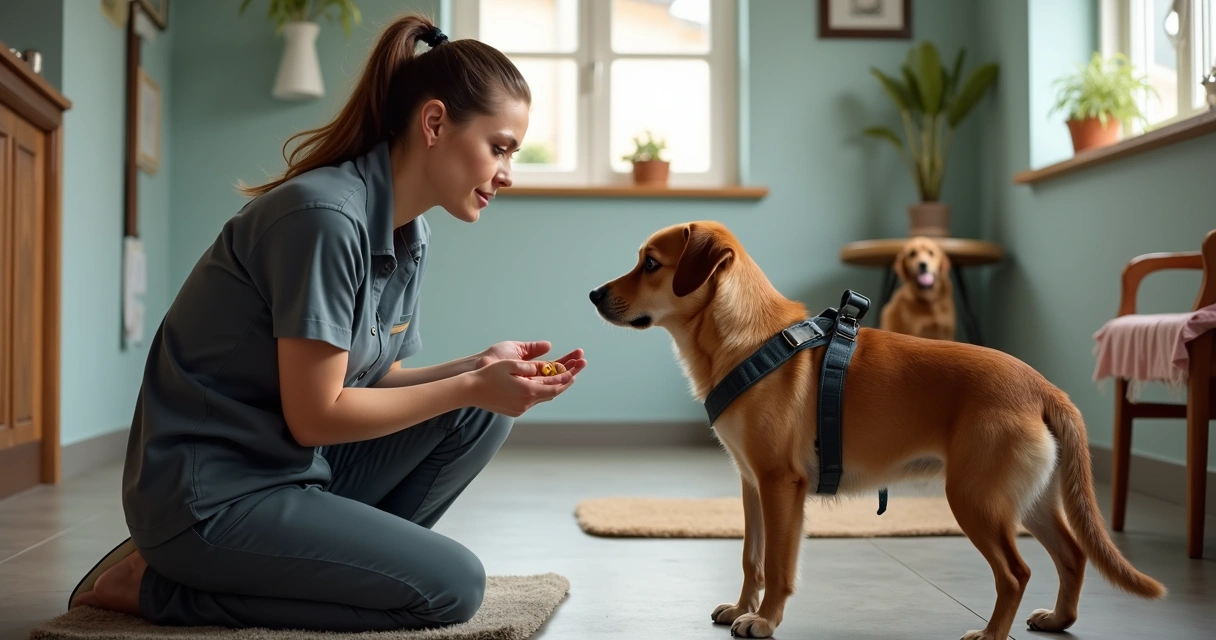
- What if my dog is scared? We use positive reinforcement and make sure that no dog is overwhelmed. For nervous dogs, solo play or quiet time with staff is always an option.
- What if there’s a fight? Incidents are rare in structured settings like ours, but strict protocols mean immediate action and a detailed review to prevent repeat situations.
- What if my dog doesn’t like any dogs? Sometimes, the answer is more gradual. Just being in the presence of other dogs at a safe distance counts as progress for many reactive pets.
We also support ongoing needs like grooming (grooming and nail trims) and longer stays (boarding) where routines stay consistent and comforting.
Every step forward is a victory, no matter how small.
Long-term outlook and support for reactive dogs
Many people wonder whether supervised playgroups can “fix” reactivity. Based on experience and studies, it’s not about a magic cure but about steady, lasting change. The Maddie’s Fund survey found that well-run playgroups can prevent behavioral decline and promote welfare in the long run. At Dogtown, our ongoing support and personalized care mean every dog—and owner—receives lasting results, not quick fixes.
Conclusion
Supervised playgroups for reactive dogs are more than a trend—they are a chance at a fuller, happier life for pets who might otherwise be misunderstood or isolated. With skilled staff, structure, and patience, I have seen remarkable growth in dogs once thought “unfixable.” If your dog struggles with reactivity, the process can be gentle, positive, and even joyful. To start your pet on this path, schedule a free assessment at Dogtown and experience a program focused on every animal’s joy, safety, and lasting progress.
Frequently asked questions
What is a reactive dog playgroup?
A reactive dog playgroup is a supervised gathering where dogs who react to certain triggers—like new dogs or people—can interact safely under trained staff supervision. These playgroups use careful introductions, small group sizes, and skilled handlers to create positive interactions without overwhelming the animals. At Dogtown, assessments make sure every playgroup is a fit for each dog’s needs and personality.
How do supervised playgroups help reactive dogs?
Supervised playgroups help reactive dogs by giving them the chance to practice good behavior in a safe, structured setting. With proper monitoring and support, they learn to manage their emotions, build confidence, and start forming healthy social bonds. Studies, such as those shared by Maddie’s Fund, confirm that well-structured playgroups support behavioral progress and overall wellbeing.
Are supervised playgroups safe for my dog?
Supervised playgroups are designed to be safe by limiting group sizes, matching dogs based on temperament, and having trained staff monitor every interaction. Facilities like Dogtown further reduce risk by offering assessments before joining and daily feedback to the owner. While no system is perfect, managed playgroups are one of the safest options for social learning.
How much do these playgroups cost?
Pricing varies from one facility to another based on the length of play sessions, staff credentials, and the services included (like daily feedback or ongoing training). While I can’t quote for every place, you can inquire about pricing and specific packages directly at Dogtown for options that suit your dog’s needs and your budget.
Where can I find local playgroups?
If you’re local to Gloucester, MA, Dogtown offers supervised playgroups and daycare services designed for a range of personalities, including reactive dogs. For more details, visit the dog daycare or day camp pages, or contact their staff to discuss your dog’s unique needs and book an assessment.