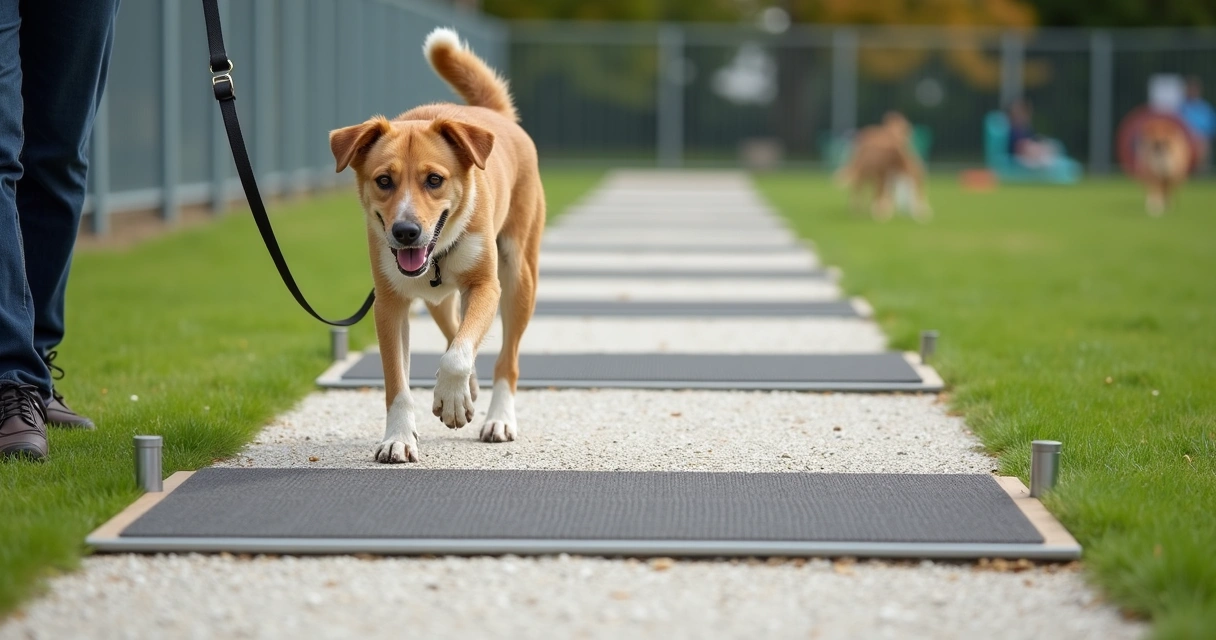
In my years of working with dogs in different settings, almost nothing compares to the positive changes I notice when a dog becomes confident walking on all kinds of surfaces. Whether it's grass, sand, tile, gravel, or even those odd metal grates on city sidewalks, dogs who adapt well to textures seem more well-rounded, healthier, and even happier. At Dogtown, we often introduce this concept into personalized training for both physical and emotional reasons. Here's what I’ve learned—and some science backing it up—about why learning to walk on varied surfaces can make a real difference for dogs (and their owners, too).
Physical strength and balance improve
The first time I watched a puppy walk uncertainly on gravel and then, months later, trot confidently over the same path, I knew something special had happened. On soft grass, hard pavement, tiles, rubber mats, and more, different muscles come into play.
Walking on mixed surfaces gives dogs a gentle, natural workout for muscles, tendons, and joints—from their toes up to their hips and shoulders. Surfaces like sand and bark mulch encourage dogs to shift their balance, improving core strength. In fact, studies comparing surface friction for dogs show how flooring types measureably alter canine movement and joint loading.
Injury prevention gets a boost
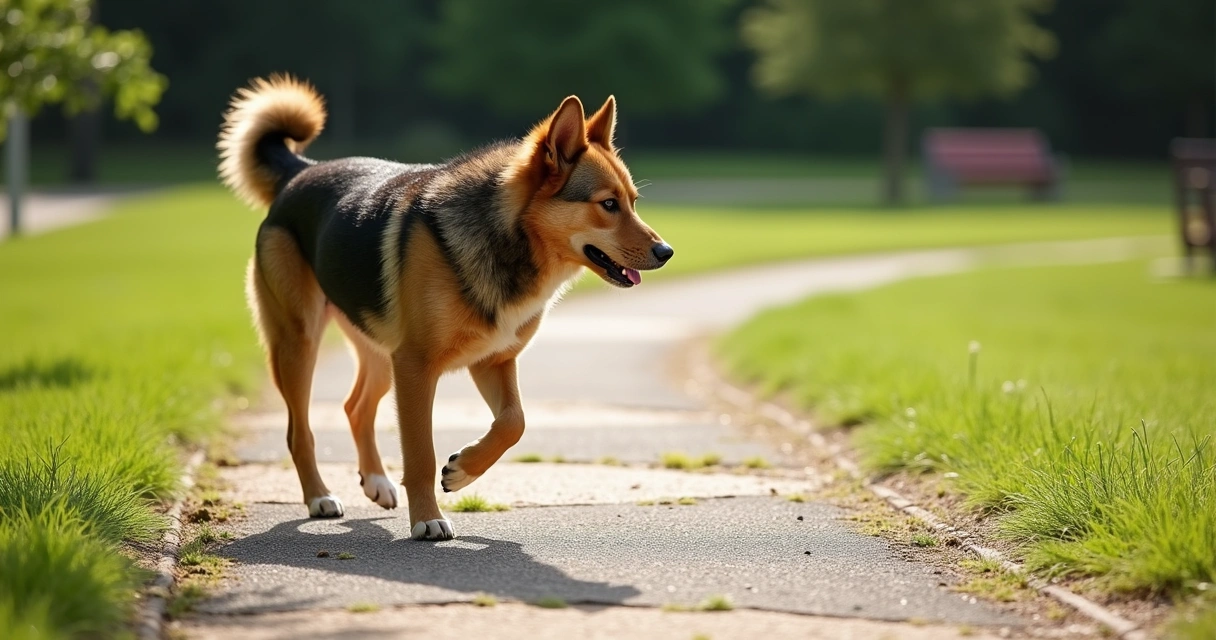
Dogs accustomed to only one type of surface may be surprised by a sudden change, and that’s when slips or strains happen. By exposing them regularly to different textures, the small stabilizer muscles in their legs learn to respond faster.
The result? Dogs become less likely to sprain something if they unexpectedly step on ice, loose gravel, or even uneven paths. That’s why, in well-run dog daycare programs like ours, surfaces are selected for safety and challenge alike.
Joint health stays strong for longer
I've seen older dogs with arthritis show more confidence after a few weeks of varied walks. Soft ground like sand or synthetic turf can be easier on their joints, while harder surfaces can help keep bones dense if exposure is moderate.
A recent agility dog research study points out how substrate and obstacle interaction can be safely managed by adapting to the natural stride of every dog, regardless of size or body type.
Sensory experiences expand
Dogs perceive the world through their noses and paws. New ground textures let them collect a wealth of information—every texture has its own smell and feel.
This is enrichment you can feel underfoot.
Daily routines at Dogtown are packed with sensory opportunities, from pine mulch to cooling mats.
Emotional resilience increases
The first time a nervous dog steps on a threshold mat or slippery linoleum, I always watch for their reaction. Often, with gentle encouragement, their wariness fades.
Overcoming small, safe challenges with new surfaces helps dogs gain confidence and reduces anxiety about “strange” places or objects.
Paws and nails stay healthier
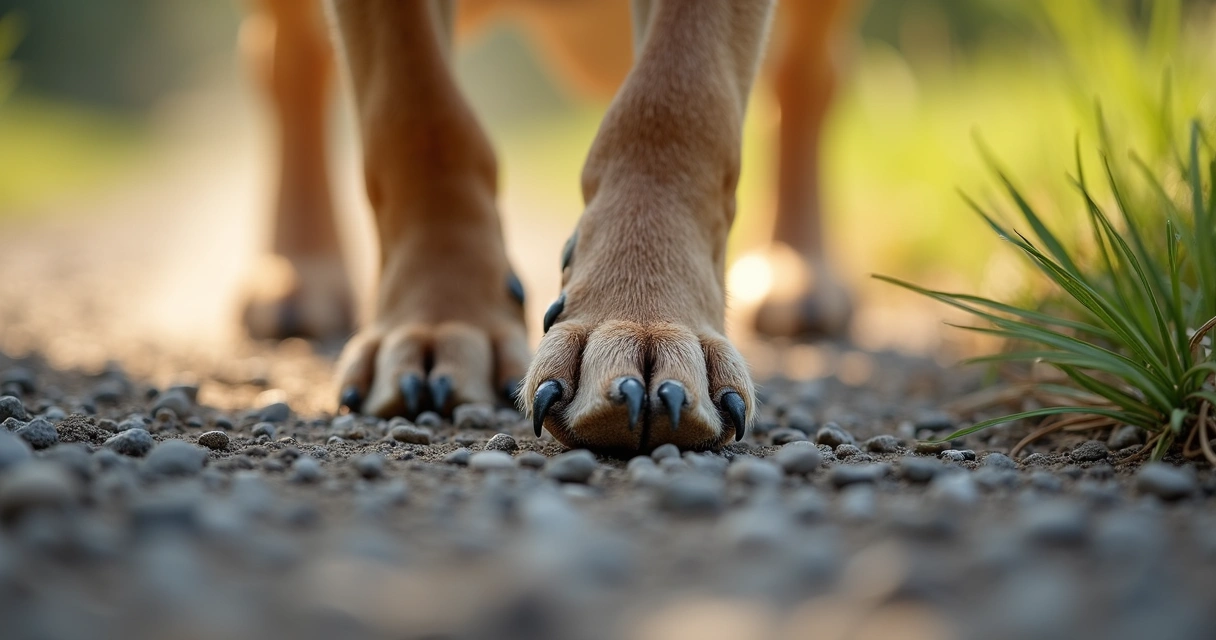
I’m often asked why a dog's claws grow fast despite regular walks. Harder surfaces, like sidewalks and gravel, act as a natural nail file. They gently wear down nails, reducing the need for frequent trims.
Meanwhile, dogs that walk only on soft grass tend to need more grooming. If grooming interests you, check out the options at our professional grooming department for specialized paw care.
Cognitive stimulation increases
Navigating a new surface isn't only physical—it’s a mini puzzle. The brain senses feedback from the paws, shapes new strategies, and adapts to keep the body balanced.
This keeps dogs mentally sharp, especially when combined with short bursts of directed training during their walks.
If you’re interested in structured learning opportunities, the personalized training programs at Dogtown always include surface variety as part of skill-building.
Adaptability and flexibility improve
When I take a dog that’s only walked in the backyard into the city for the first time, their hesitation is clear—steel manhole covers, noisy crosswalks, open mesh grates. Exposure in calm, controlled amounts prepares dogs to handle changes.
This helps whether you're hiking on forest trails, walking urban sidewalks, or navigating unfamiliar locations during boarding stays.
Better social experiences result
Dogs who confidently walk on many surfaces are more likely to enjoy outings and group play at places like our dog daycare, where they may interact in sand areas or grass fields.
More positive social encounters mean better overall wellbeing, and for shy or hesitant dogs, it’s often that first victory over something “weird” underfoot that opens the door to happy play.
Improved owner–dog communication
During walks over different terrain, owners and dogs learn to read each other’s cues more clearly. Extra encouragement or adjusting pace on tricky footing builds trust.
A recent study of 276 dog-owner pairs even found that engagement in daily walking routines depends a lot on how well humans and dogs communicate their needs.
That’s why I suggest mixing up your route or trying out surface changes during walks as a way to bond as much as for fitness.
Better physical health for owners too
Not only do dogs benefit—so do we. Walking dogs motivates owners to get more daily steps, improves cardiovascular health, and adds variety to routines.
According to national survey data about dog walking and activity, dog owners who walk in different places (with surface changes) are more likely to meet personal exercise goals.
It’s not just about the dog—it’s about wellness for the whole family.
Practical skill for service and agility dogs
In my time volunteering with agility groups, I’ve seen the difference surface training makes. Dogs who have practiced on teeter boards, turf, and more, tend to perform better and get fewer injuries.
That’s supported by research describing how breed, body mass, and surface play into safe agility exercises.
Service dogs, too, need to navigate busy buildings and public settings full of unexpected ground changes—practicing with many textures gets them ready for the real world.
Long-term enjoyment of new environments
Most of all, varied walking means more places to explore together. Whether through a supervised day camp at Dogtown or on a weekend family hike, dogs who are confident on different surfaces can go almost anywhere.
Every new path becomes a new adventure—together.
If you want your pet to live a richer, more relaxed life (and enjoy all your outings), start early with surface variety or let professionals ease them in. At Dogtown, ensuring your pet’s comfort, safety, and happiness in every environment is always our goal.
Conclusion
From physical fitness to emotional confidence, introducing dogs to a mix of surfaces pays back in countless ways. I’ve seen hesitant pups grow into confident companions, thanks to thoughtful exposure. If you’d like to give your dog the gift of a more adventurous and less stressful life, explore our training and enrichment options, or stop by for a pre-enrollment assessment. Your pet’s discovery of new textures and safe challenges is a step toward lasting wellbeing.
Frequently asked questions
What are varied surfaces for dogs?
Varied surfaces for dogs include any mix of flooring or ground textures that a dog may encounter, such as grass, sand, gravel, dirt, pavement, carpet, linoleum, rubber mats, wood, and even metal grates. Each type of surface provides a different sensation underfoot, letting your dog physically and mentally adapt to different environments.
How do dogs benefit from surface variety?
Dogs benefit by gaining better physical strength, improved balance, increased joint health, healthier nails, and more resilient behavior. Experiencing mixed textures enhances both their body awareness and their confidence in new places. These benefits have been observed in facilities like Dogtown, where play areas deliberately include surface changes to add enrichment.
Is it safe to walk dogs on gravel?
In my experience, gravel can be safe for most dogs if the stones are not too sharp or large and your dog’s paws are healthy. Start with short sessions and watch for any signs of discomfort. Regular walks on gravel can actually help keep nails naturally short, especially when supervised and combined with other surface exposure.
What surfaces are best for puppies?
I recommend starting puppies on softer surfaces such as grass, carpet, or rubber matting. As they gain confidence, you can gradually add pavement, sand, and gentle gravel (with small stones) under supervision. This gentle introduction helps puppies develop balance and coordination, while avoiding too much impact stress on their growing joints.
Can varied surfaces prevent dog injuries?
Yes, regular exposure to a range of surfaces trains a dog’s stabilizer muscles and improves their reaction to slips or uneven ground. According to studies on friction and footfall in dogs, incorporating safe, varied surfaces can lower the risk of joint and paw injuries while boosting overall fitness.