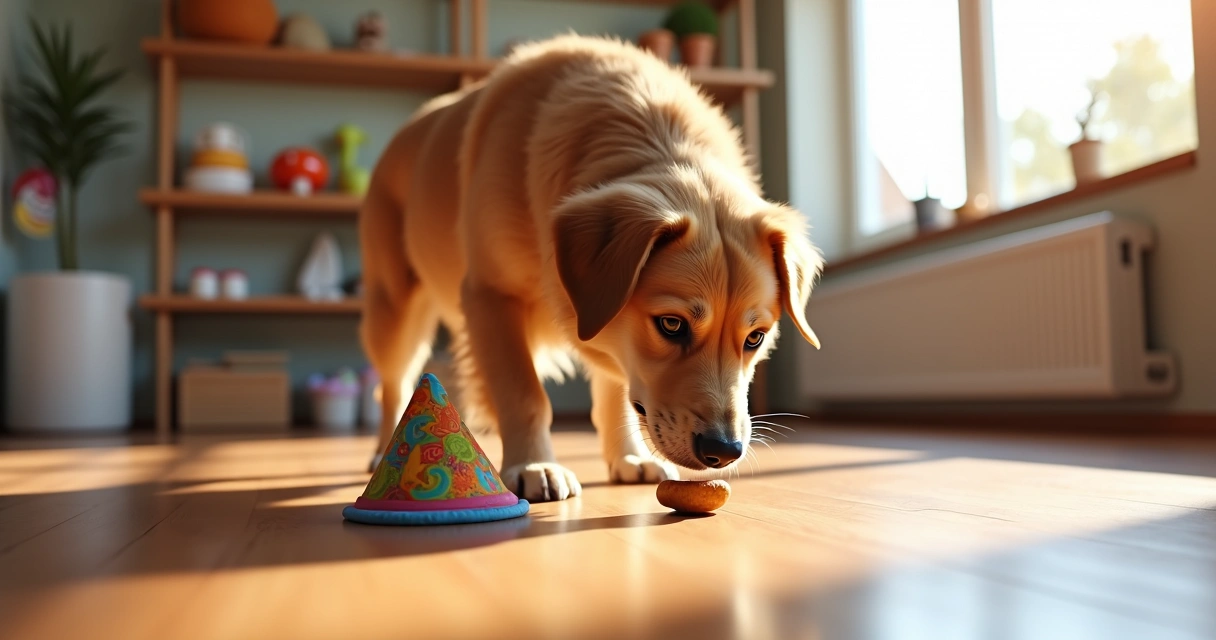
I still remember the first time I set up a simple scent game for my old dog on a rainy afternoon. She had always been a little restless, pacing between windows and following me around the house. But when I scattered a few treats in hiding spots and let her loose, it was like a switch flipped. She sniffed, pawed, searched, and—when she discovered the last treat—collapsed in the sunniest patch of floor with a sigh of pure contentment. I started wondering, what just happened? Why did this simple game settle her down more than a long walk?
Turns out, there’s a lot more going on with a dog's nose than most people realize. Scent work, or “nose games,” taps into their deepest instincts. I’ve since learned that these activities can transform dog behavior, spark joy, and build a calm focus (for both dogs and their people). Let’s look at why.
What is scent work and how does it benefit dogs?
Scent work, or nose work, means setting up games and challenges for dogs where they need to use their sense of smell to find hidden items, usually treats, toys, or scented articles. These aren’t just party tricks or ways to entertain dogs at home. They're powerful tools for shaping a dog's well-being, trust, and even confidence.
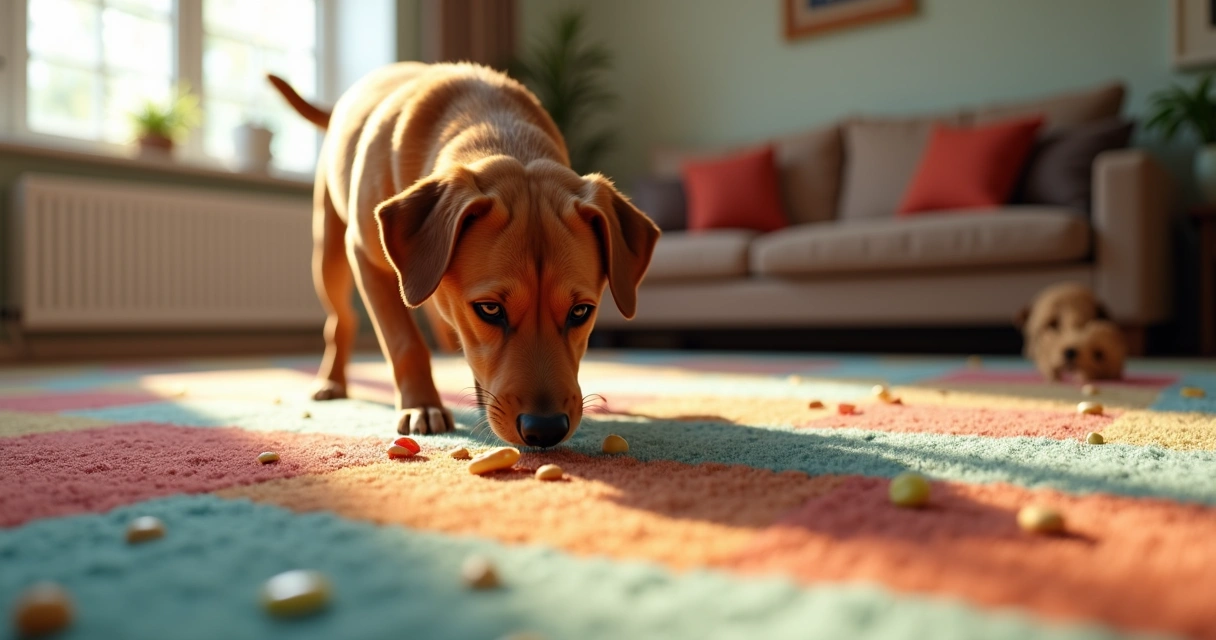
Dog’s noses are legendary. Dogs have up to 300 million olfactory receptors in their noses, compared to our 6 million. Their brains are wired to process scent. When given the chance to use this “superpower,” something meaningful happens for their mind and mood.
“A tired nose is a happy mind.”
That’s how I think of it. Scent work doesn’t just burn energy—it channels instinct and gives dogs a sense of mastery that echoes their wild roots. At Dogtown, I’ve seen dogs (and even cats!) relax after scent sessions, settle more easily into day camp groups, or learn to focus during personalized training when given nose-based tasks.
What happens in the brain during scent games?
When a dog uses its nose, it isn’t just sniffing for food. It’s lighting up parts of the brain tied to memory, problem-solving, and emotion. Researchers have found that structured scent-based tasks increase a dog’s persistence and accuracy in challenging activities, which in turn can boost their motivation and ability to learn. For example, a study in the Journal of Experimental Analysis of Behavior found that dogs trained with varying levels of scent target difficulty maintained higher success rates, showing how scent work keeps their minds engaged and adaptive.
Even the scent of familiar people can light up reward centers in a dog’s brain. No wonder so many behavior problems fade when dogs have regular opportunities for sniff-based play—I’ve observed anxious dogs focus and grow more resilient after just a few weeks of scent activities.
How does scent work improve behavior?
From what I’ve seen, dogs challenged with nose games often display:
- Lower anxiety and stress levels
- Improved focus and impulse control
- Reduced destructive or attention-seeking behaviors
- More patience in group settings
- Sharper communication with their handlers
Scent work gives dogs a job they naturally understand, satisfying the mental “hunger” that physical exercise alone can’t fill. Dogs prone to barking, digging, or restlessness usually calm down after working their noses. Studies in Learning & Behavior suggest that rewarding dogs intermittently during scent games increases motivation and keeps their training fresh, which is key for addressing stubborn habits.
I’ve noticed at Dogtown that structured scent games, introduced as part of dog daycare or during one-on-one training, help dogs settle faster into boarding or social groups. Even breeds not traditionally known for scenting, such as Border Collies, have excelled at these activities, which fits with recent findings on breed-specific traits. Individual personality and motivation matter just as much as heritage.
What should I know before starting nose games?
One lesson I’ve picked up is that handler beliefs influence outcomes, sometimes in unexpected ways. If we expect our dog to find a target, we might (without meaning to) send signals that affect their choices. A 2011 study in Animal Cognition made it clear that dogs are highly attuned to human body language and expectations. That’s why at Dogtown, staff receive ongoing support and feedback to keep interactions clear, positive, and honest, and why personalized training packages emphasize handler awareness as much as dog skills.
Another thing—success in scent work is all about the right amount of challenge and praise. Over time, making the tasks a little harder, introducing new scents or locations, and adjusting rewards based on progress, keeps dogs tuned in and excited to play.
Easy scent games to try at home
You don’t need special equipment or a lot of time to offer nose games. Here are a few simple favorites I use at home and recommend to new Dogtown families:
- Treat scatter: Hide small treats around a room while your dog waits outside. Release them to “find it!” Watch their nose lead the way.
- Box puzzles: Use a few empty boxes. Hide a treat under just one. Rearrange and let your dog sniff out the prize.
- Towel rolls: Roll up treats in a towel and encourage gentle unrolling, sniff-by-sniff.
- Muffin tin search: Place tennis balls or toys in a muffin tin, hiding treats under a few. Let your dog search and “uncover” the goods.
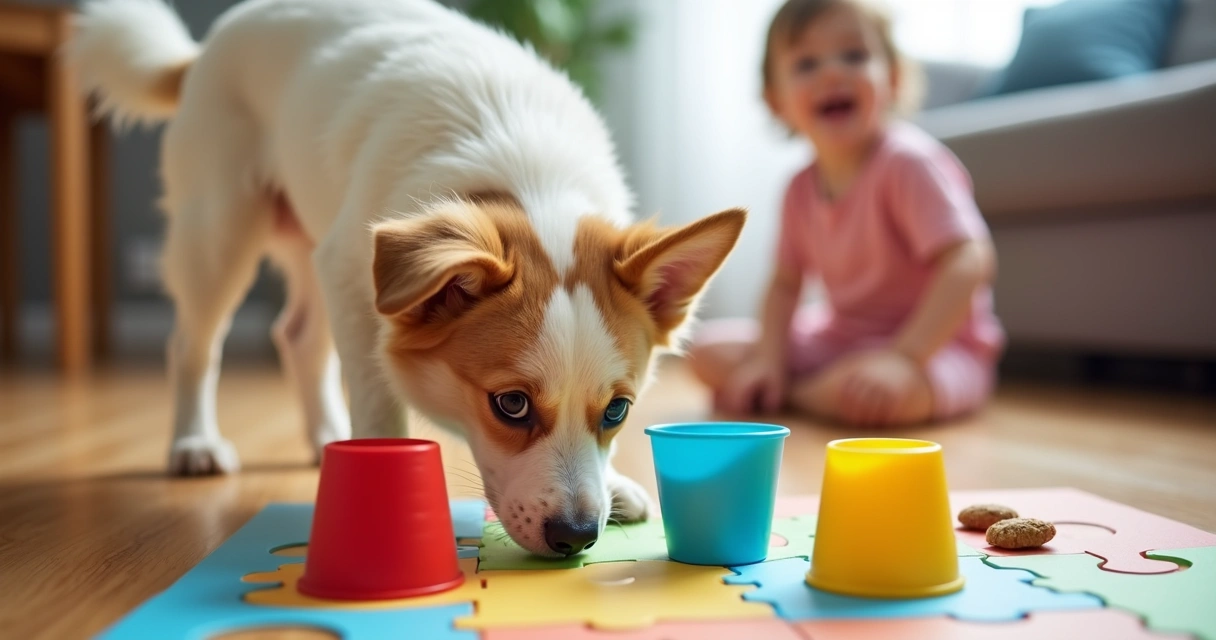
Small games, big benefits.
Most important of all: let your dog sniff at their own pace. The real “success” is the process, not just the reward at the end.
How does scent work fit into professional care?
I’ve found that regular scent-based activities not only break up boredom during dog daycare or boarding, but they also support grooming and socialization. At Dogtown, group scent walks promote calm introductions, while one-on-one scent tracking boosts focus before grooming sessions (learn more about our grooming approach). Even our cats respond positively to similar games—everyone benefits from a little “nose work.”
Scent work can be adapted for older pets, energetic puppies, or dogs in new environments. The structure of these games can be scaled up to build advanced skills for working dogs, or gently introduced just for fun and enrichment. For those new to group or overnight stays, nose games help build confidence and routines, something I’ve seen again and again in our boarding program.
Final thoughts: Let your dog’s nose lead the way
I’ve come to realize that giving dogs the chance to follow their noses—literally—may be the most respectful way we can work with their true nature. Each time I offer a new scent game, I get to see curiosity, joy, and calm grow right in front of me. The effects ripple out: less stress, more focus, better behavior at home and at play.
If you’re looking for real, lasting results and support, I recommend connecting with a team that gets to know both your pet and you, just like we do at Dogtown. Schedule a free pre-enrollment assessment and discover how a simple sniff can open up new worlds for your pet. Your dog’s best behavior could start with their nose.
Frequently asked questions
What is scent work for dogs?
Scent work for dogs involves structured games or activities that encourage your dog to use its sense of smell to find specific objects, treats, or scents hidden in different places. It mimics the natural tracking and searching skills dogs are born with, making it fun, calming, and brain-stimulating.
How does scent work help behavior?
Scent work taps into your dog’s instincts, promotes mental focus, reduces restlessness, and enhances confidence. It provides needed mental exercise, helping to curb undesirable behaviors such as barking, digging, or anxiety by giving dogs a positive outlet for natural energy.
How to start scent games at home?
Begin with easy “find it” games using small treats or toys hidden around a room. Let your dog watch you set up, or make it harder by moving them out of sight while you hide rewards. Explore simple setups like boxes, towels, or muffin tins for added interest. Always let your dog go at their own pace and offer cheerful praise for any success. Consistency and patience are key—from my experience, dogs catch on quickly.
Is scent work good for all dogs?
Yes, most dogs benefit from scent work, regardless of breed, age, or experience—although their methods and pace may vary. Some breeds are naturally drawn to these activities, but with positive encouragement, almost any dog or even cat can enjoy nose games. Adaptations can be made for puppies, seniors, or pets with physical challenges.
Where to find scent work classes?
Look for local training centers or facilities like Dogtown in Gloucester, MA, where scent work is offered as part of personalized training packages and enrichment programs. When searching, prioritize places that use positive reinforcement and provide feedback and ongoing support for both you and your pet.