If you own a brachycephalic dog—think Bulldogs, Pugs, Frenchies, Shih Tzus, or Boston Terriers—sending your companion to daycare can feel like a leap of faith. I’ve worked with hundreds of short-nosed breeds across two decades and can confidently say their unique needs require special attention, especially in stimulating environments like dog daycare. Today, I’ll share exactly what I look for and advise other owners to check, because the right daycare can offer joy and safe socialization, but the wrong one risks your best buddy’s health.
Understanding the risks for brachycephalic breeds
Brachycephalic breeds have flat faces, compact airways, and—according to a detailed survey of over 2,000 owners—often face challenges with heat regulation and breathing problems. In fact, 36.5% of owners reported heat issues, and 17.9% cited breathing problems. (survey of 2,168 owners of brachycephalic dogs) Daycare isn’t dangerous if you know what to watch for, but it is different.
Flat-faced pets struggle in heat, tire quickly, and may react poorly to high-energy play. A VetCompass UK analysis showed Bulldogs average only 8.57 years in lifespan, meaning we need to maximize health and happiness in every year. (analysis of ~52,000 deceased dogs)
Heat and stress management should be the foundation, not an afterthought.
So, let’s see what matters most.
Daycare environment and supervision
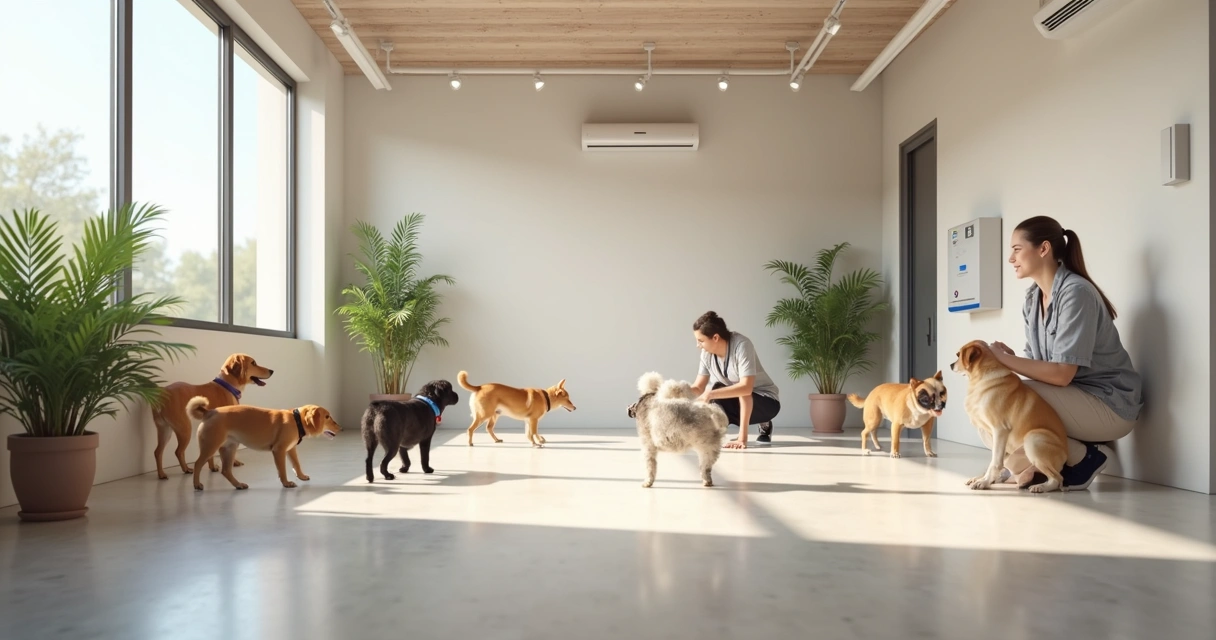
The building itself should raise your eyebrows first. Is it climate controlled? Does it have shaded outdoor and cool indoor spaces? Staff should actively monitor playgroups, keeping numbers low and sorting by size and play style, as Dogtown in Gloucester, MA, does by dividing dogs by size and temperament.
When I tour daycares, I expect to spot these differences:
- Separate secure spaces for quick isolation or quiet time
- Fresh water accessible everywhere, with large, tip-proof bowls
- Air conditioning or powerful fans during warm months
- Multiple staff always in room—never leaving dogs unsupervised
I remember watching a Bulldog panic in a busy open space—just too much hustle and not enough breaks. Daycares like Dogtown’s dog daycare structure their packs and prioritize supervision. That can be life-saving.
Staff training and emergency plans
Not every caregiver knows what to do if a dog overheats or has a breathing event. I always ask about:
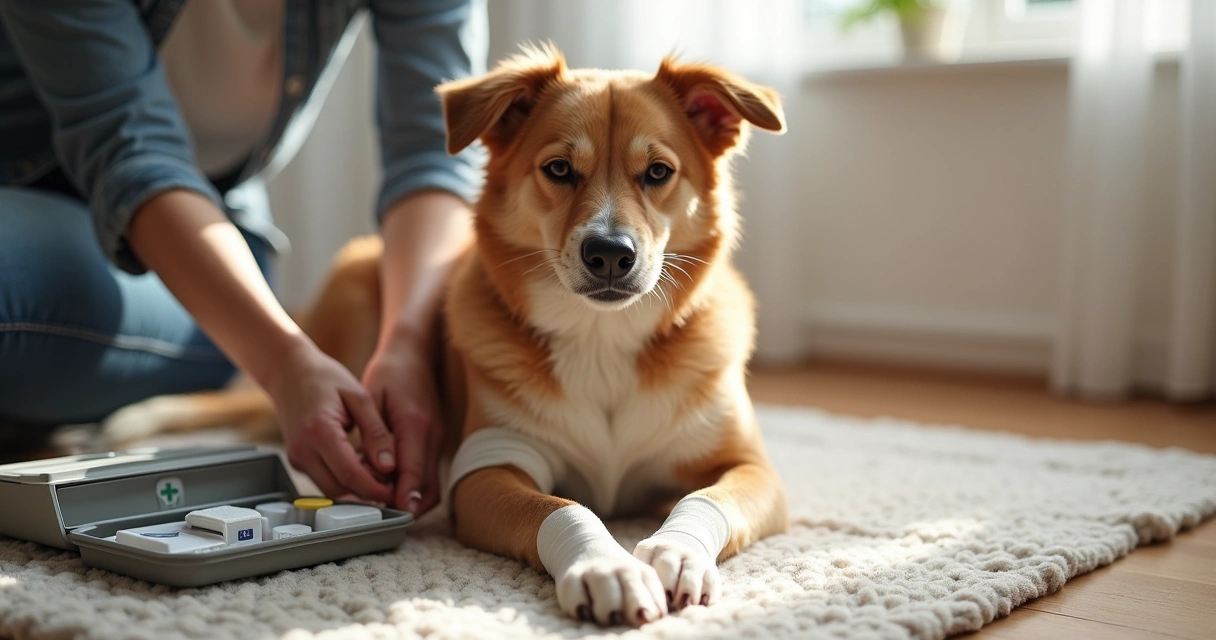
- Staff certified in pet CPR and first aid
- Protocols for spotting overheating or cyanosis (blue gums, shallow breathing, collapse)
- Immediate access to shade, water, and emergency contacts
A trained team should recognize heavy panting, wobbly walking, or a sudden need for rest as warning signs in a brachycephalic dog. The best daycares keep emergency gear—like cooling towels and thermometers—on-site and have staff consistently reviewing health records and medication needs.
Play style, activity, and rest periods
According to the VetCompass UK study, brachycephalic dogs are increasingly popular with younger owners, and in younger age groups. Their playful nature is often misunderstood. They want play, but not for hours in a row.
Here’s what works best for flat-faced breeds in dog daycare:
- Short, supervised bursts of play—never marathon sessions
- Low-impact games (tug, fetch with rests), not wild wrestling
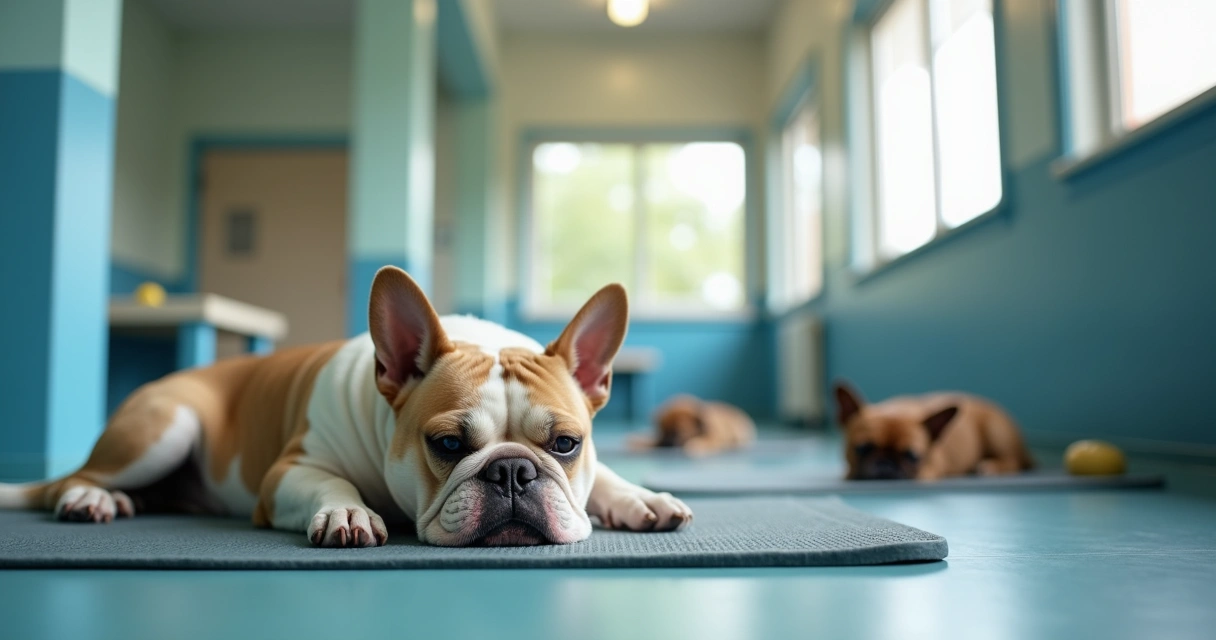
- Mandatory rest breaks in cool, quiet spots
Brachycephalic breeds must have downtime scheduled for them, not just offered. I’ve seen French Bulldogs fall asleep in the middle of a play session—then wake with a snort, confused by the excitement overload.
Personalized care, health requirements, and enrichment
Daycare staff should know your dog’s special needs before the first visit. That’s why Dogtown’s free pre-enrollment assessment is so effective—staff get to know each animal’s triggers and comfort zones. I always recommend bringing up:
- Any past breathing episodes (even minor ones)
- Special grooming needs to keep noses and folds clean
- Preferred activities, likes/dislikes, and even fears
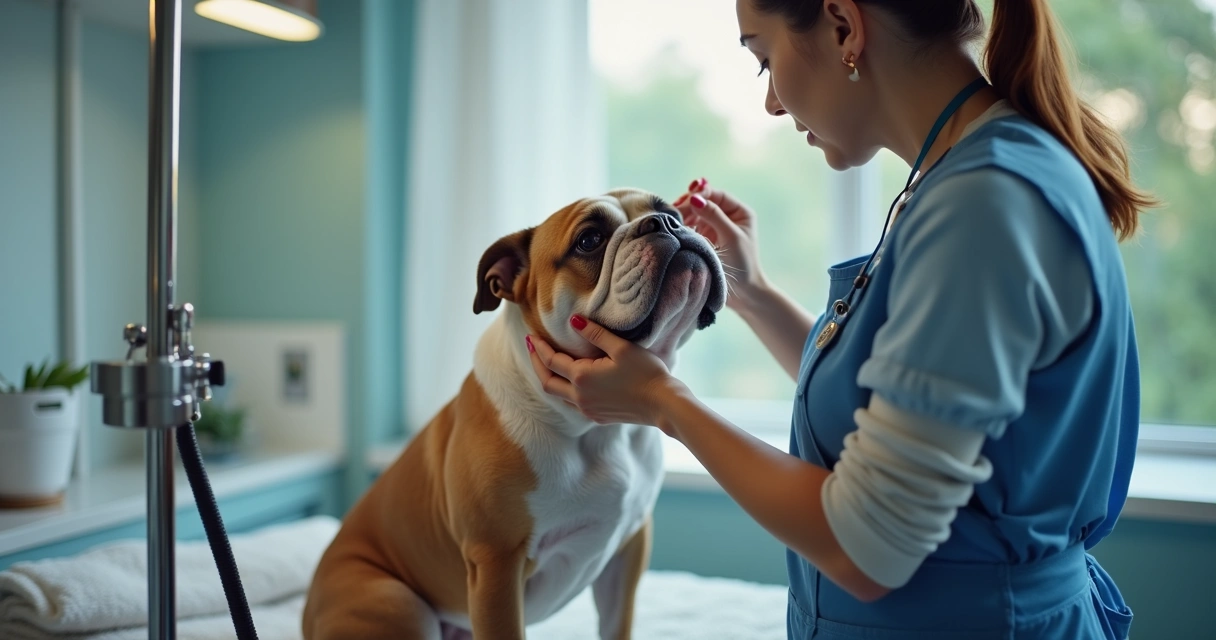
At Dogtown’s grooming studio, care includes gentle face and fold cleaning (crucial for flat-faced breeds) and avoiding heat during drying. These little steps matter far more than people think.
Feedback to owners and ongoing training
It’s comforting to know what your dog did all day—not just if they had fun, but if they struggled. I like that Dogtown Day Camp sends daily feedback. If something was off (lethargy, coughing, overheating), you’ll get a call.
For pet parents looking to support good behavior, personalized options like Dogtown's training programs offer obedience training, positive reinforcement, and ongoing support for long-term results. Training staff should be aware of breed-specific needs, choosing positive, short, and gentle sessions.
The role of boarding and overnight care
Sometimes, short-nosed dogs need overnight stays—for family trips, work, or emergencies. In my experience, the same rules apply but with added vigilance. Boarding, like Dogtown provides, must offer:
- 24/7 supervision and climate control
- Place for quiet, cool sleep with low stress
- Adjusted feeding schedules if medication is needed
I always check that staff understand what “distress” looks like for my dog. Quiet isn’t always good—sometimes it’s a warning.
Pre-daycare questions to ask as an owner
These are the top questions I suggest asking before enrolling your brachycephalic companion:
- How do you monitor dogs for overheating and distress?
- Can I see the areas where my dog will play and rest?
- What emergency protocols do you follow for breathing problems?
- Who cleans and cares for face folds and exposed eyes?
- How is play structured for short-nosed breeds?
Honest answers signal an experienced daycare. Don’t hesitate to walk away if staff hesitate to answer.
Conclusion
From climate control to rest breaks to careful staff supervision, every detail counts for brachycephalic breeds at daycare. The right facility, like Dogtown, recognizes that flat-faced dogs are unique, not fragile. They thrive with gentle engagement, consistent care, and a careful eye on comfort and safety. In my opinion, putting effort into these checks ensures you and your dog get the most from every visit, with fewer worries and more tail wags.
Ready to see how daycare can work for your flat-faced friend? Schedule a free assessment at Dogtown and discover the joy of safe, social play and care tailored for your breed’s needs.
Frequently asked questions
What is a brachycephalic breed?
Brachycephalic breeds are dogs and cats with short noses, wide skulls, and flattened faces, like Bulldogs, Pugs, and French Bulldogs. These physical features make them more prone to respiratory and heat-related challenges.
How to choose a daycare for brachycephalic dogs?
Look for facilities with climate-controlled spaces, staff trained in recognizing distress, flexible play and rest routines, and a willingness to discuss special needs. Personalized assessments, like those offered by Dogtown, help ensure each pet’s comfort and safety.
What safety measures should daycares have?
Safety steps should include air conditioning, constant supervision, access to fresh water, separate rest zones, and staff certified in pet first aid. Daycares should also have emergency protocols for overheating and breathing issues.
How can I monitor my dog's daycare experience?
Ask for daily feedback reports, direct communication if issues arise, and sometimes even video or picture updates. Regular communication helps you respond quickly to any problems and gives peace of mind about your dog’s well-being.
Are brachycephalic breeds safe in daycare?
Yes, when cared for by experienced staff in an environment that supports their health needs, brachycephalic breeds can safely enjoy daycare. The risk is higher than for other breeds, but with proper management, most flat-faced dogs thrive and play happily with friends.