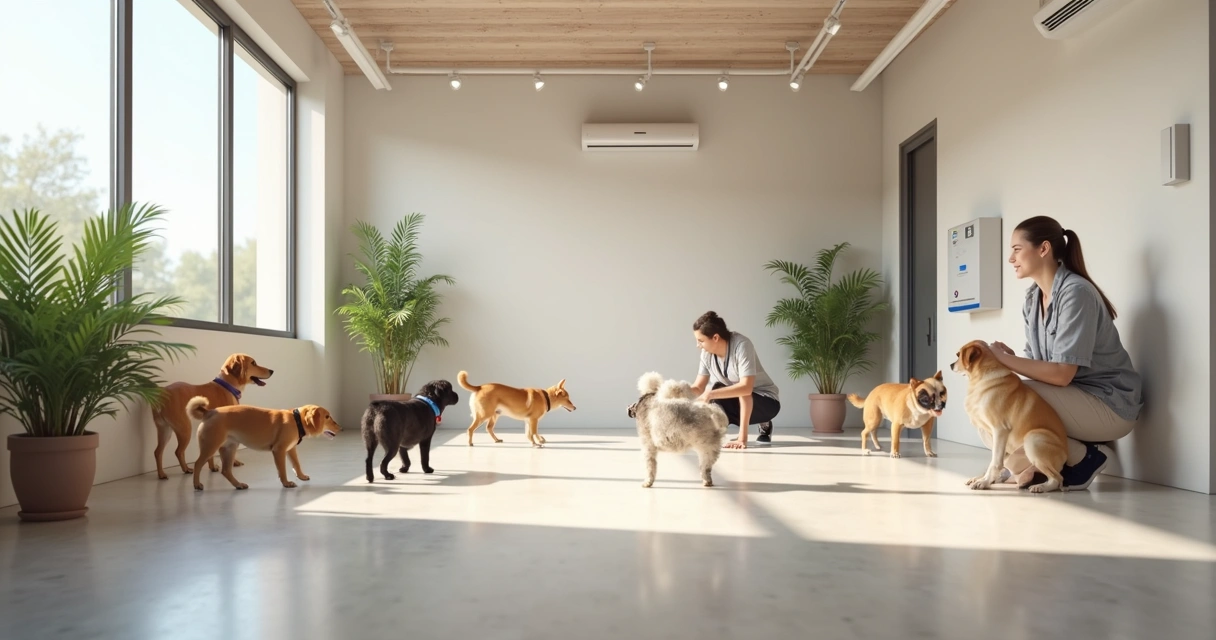
Every day, I see how much dogs and cats rely on us to create not just a happy environment, but a safe one. At Dogtown in Gloucester, where I work with animals of all sizes and temperaments, I am constantly reminded of how indoor air quality can affect our furry guests. Air might seem invisible and passive, but its impact is anything but.
Why air quality matters for pets
Poor indoor air quality impacts pets much more than we might guess at first glance. Dogs and cats breathe faster than humans, meaning they inhale more air, and whatever is in that air, with every breath. In enclosed spaces like daycare centers, this issue gets even bigger.
I’ve watched dogs in a lively group during playtime, and noticed if air isn’t fresh, some become tired, sneezy, or even start coughing. For cats, a stuffy room can lead to watery eyes or hiding away. Animals are sensitive to particles, odors, and fluctuating temperatures that we may overlook.
What influences the air inside pet daycare centers?
It isn’t just about opening a window. I found that air quality indoors is shaped by many factors:
- Number of animals in a room
- Cleaning products used on floors and surfaces
- Grooming product fumes
- Weather and season changes outside
- How often fresh air circulates through the building
Even happy, healthy pets can spread dander and bring in outdoor dust. Combining that with lots of cleaning products, you can see how quickly the environment shifts.

What do studies on daycare air tell us?
A study published in PubMed looked at 26 daycare facilities for air safety. Over half had carbon dioxide levels higher than recommended, with 42% and 15% falling outside healthy temperature and humidity, respectively. This means many playrooms and boarding kennels can quickly collect stale air if there isn’t enough ventilation or the air gets too warm or too dry.
Another key factor is chemical air quality. Research from the University of Missouri measured 40 volatile organic compounds, also known as VOCs, in daycares. These include things in cleaning sprays and grooming products. Chemicals like 2-ethylhexanol are often left behind in poorly ventilated spaces, raising risks for cats and dogs who spend hours lying and playing at ground level.
Seasonal changes also matter. In the winter, closed windows keep in not just warmth, but also any odors, hair, and chemicals that build up during a day’s activities. During summer, heat can raise humidity and create a breeding ground for mold or bacteria.
How air quality problems show up in pets
I’ve seen dogs in our daycare play happily one day and come in the next with watery eyes or a raspy cough. Sometimes, cats will stop eating or grooming if the air smells too strong or is filled with dust particles. Some signs that air quality is off include:
- Frequent sneezing or coughing
- Watery or red eyes
- Unexplained fatigue or hiding
- Scratchy or dry skin/coat
- Agitation or restlessness
- Unusual odors in the room
In my experience, certain breeds or older pets with health issues suffer quicker and more intensely from these conditions. Puppies, kittens, and pets with asthma or allergies are at the top of that list.
How daycare centers can manage indoor air for healthier pets
It all starts with awareness. Staff at Dogtown check and balance temperature, humidity, and airflow during every shift. For me, that includes:
- Taking regular walks through each play area and noting air freshness
- Rotating group play and rest times in different rooms
- Using pet-friendly cleaning agents and avoiding sprays with strong scents
- Keeping grooming products well vented, especially during busy times
- Monitoring pets closely for any sign of discomfort
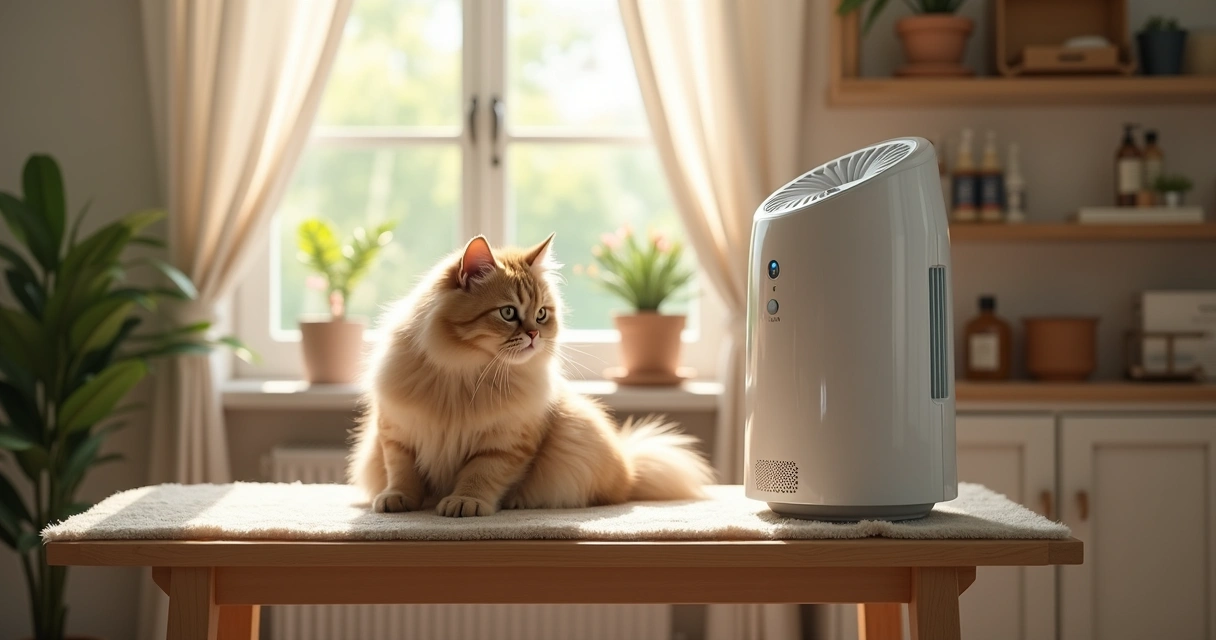
When grooming, I use gentle products in a space with a reliable fan or open windows. That’s especially true for our specialized cat grooming and dog grooming rooms. Fresh air is a silent helper for any pampering session.
It also makes a difference to schedule day camp activities in areas with the best sunlight and airflow, whether indoors or out. And for longer-term pets in boarding, I check vents and fans continually, especially after storms or when temperatures jump outside.
What do studies recommend for better air?
Studies have shown that using mechanical fans can lower air particle levels compared to relying on closed windows alone. Fans, open vents, and air purifiers all play a role in keeping our rooms fresh and free of dust and hair. In my experience, using these tools reduces sneezing, dry mouths, and odd smells throughout the day.
Comfortable pets are healthy pets.
Even subtle changes in airflow or temperature can set a tone for the whole group, calm, playful, or stressed. If you’ve ever walked into a warm, musty room and felt weighed down, you know how big an effect air has on mood and activity.
Tips I use for clean air at Dogtown
For anyone with a pet in daycare, or running a daycare, here are some direct actions I’ve learned make the biggest impact:
- Keep air moving: Use fans, open windows, scheduled ventilation breaks
- Monitor comfort: Aim for consistent, moderate temperature and humidity
- Choose safe cleaning: Pick unscented, low-VOC cleaning products when possible
- Groom in ventilated spaces: Always let fumes disperse before letting pets in
- Observe pets: If multiple pets show symptoms, investigate air first
It’s about doing the small things, every day. The result? Happier, healthier animals, and less stress for both owners and professional caregivers.
Conclusion
As someone who sees dozens of tails wag and whiskers twitch each week, I believe that good indoor air quality is the foundation for safe, joyful pet care. It isn’t just about cleaning, it’s about circulation, comfort, and care in every detail. At Dogtown, creating this environment is at the heart of what we do, from the play floor to every suite and grooming station.
If you want your pet to experience a daycare where well-being is the focus, I encourage you to explore what we offer at Dogtown, and see how the right environment can make all the difference for your companion.
Frequently asked questions
What is indoor air quality for pets?
Indoor air quality for pets means the cleanliness, freshness, and safety of the air that dogs and cats breathe while indoors. It includes levels of dust, dander, carbon dioxide, humidity, temperature, and chemicals from cleaning or grooming products. Clean air helps pets stay comfortable and healthy in daycare settings.
How does poor air affect pets?
Poor indoor air can make pets sick or uncomfortable. It can lead to sneezing, coughing, watery eyes, itching, skin problems, and sometimes even more serious breathing issues. Sensitive animals, like puppies, kittens, or those with health conditions, can be affected the most. Long-term exposure increases the risks even further.
What are signs of bad air for pets?
Some signs that air isn’t good for pets in a daycare or boarding setting include: frequent sneezing or coughing, tiredness, watery or red eyes, dry or itchy skin, and pets trying to leave the room. If the room smells odd or feels stuffy, that often means air quality needs improvement.
How can I improve air quality?
The best ways to improve indoor air quality are to increase ventilation, use safe cleaning products, monitor humidity and temperature, and keep air moving with fans or open windows. Regularly change air filters and watch for any symptoms in pets that could suggest a problem.
Are air purifiers good for pet daycare?
Air purifiers can help in reducing dust, hair, allergens, and VOCs in pet daycare centers. They are especially useful in grooming or rest areas where odors or fine particles can build up. Always choose models suited for the size of the room and keep them well maintained.