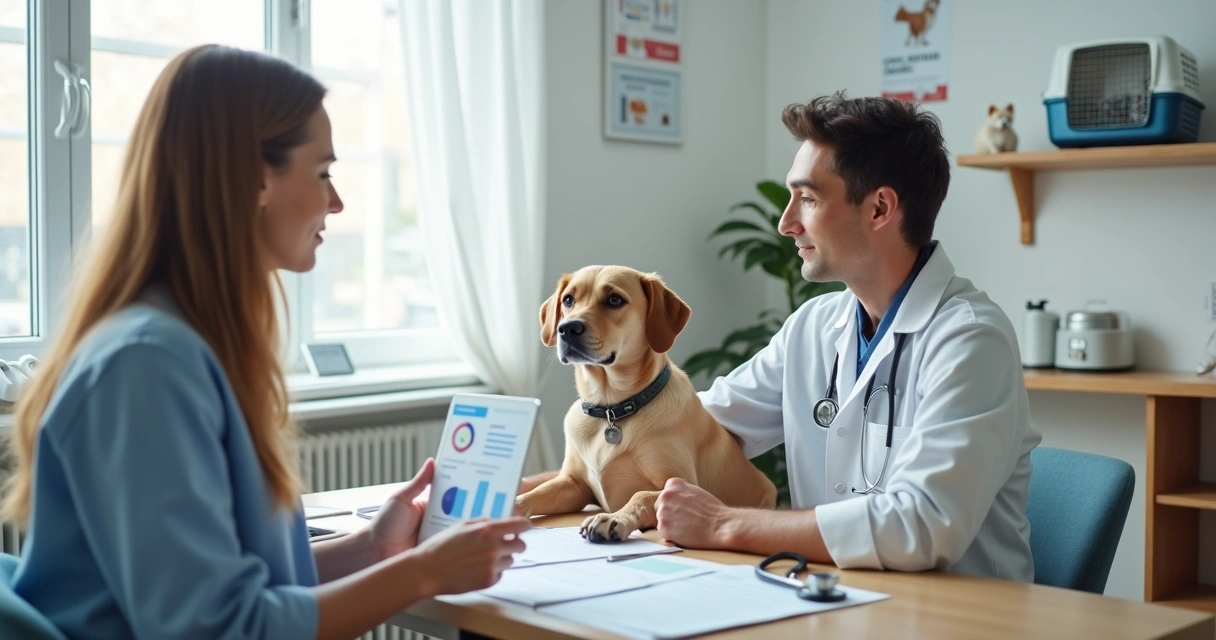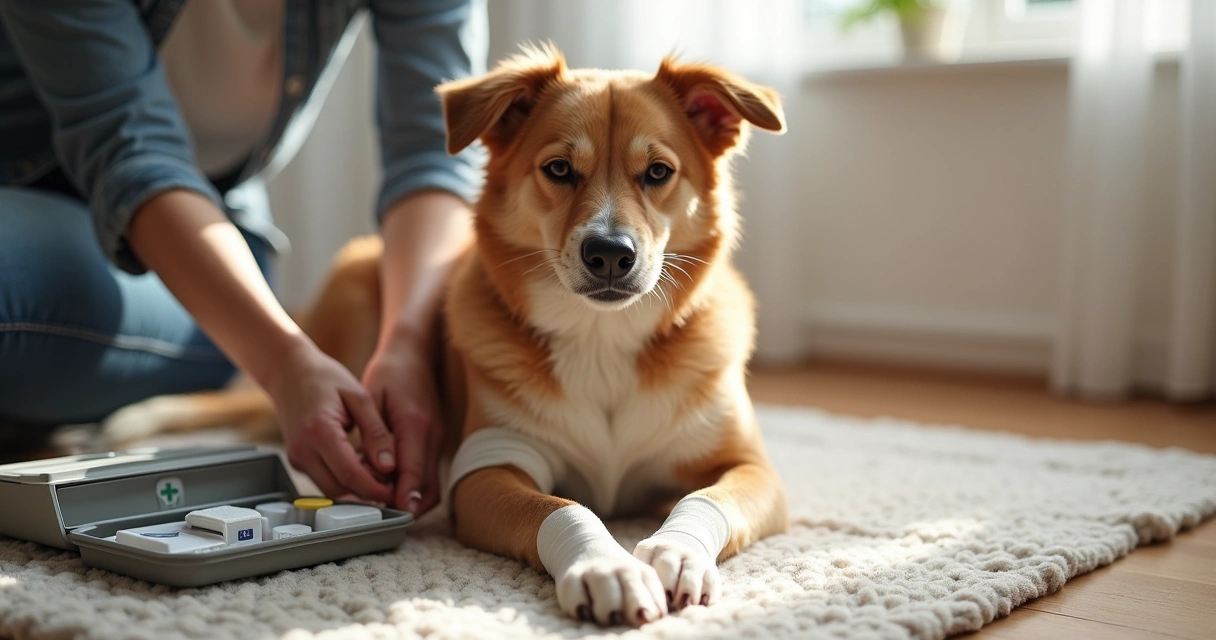
As someone who spends a lot of time around happy, energetic dogs, I see firsthand how their playful nature can sometimes end with a yelp or a limp. Play is essential for a dog’s well-being, but even in the safest environments, accidents can happen. I think it helps to be prepared and know what to do in those quick, nerve-wracking moments after an injury. By sharing what I’ve learned—including the reasons why professional dog daycare and training environments like Dogtown in Gloucester, MA, focus on safety supervision—I hope to make your next playdate less stressful and a lot safer.
Why play injuries are so common
Dogs can be clumsy, overzealous, or just plain unlucky when playing. In my experience, most injuries happen because of misjudged leaps, rough-and-tumble wrestling, or speedy chases. Dogs’ teeth and claws, while designed for fun, also have the power to break skin—on themselves or their playmates.
Walks and play in public or unfamiliar places can make things riskier, too. According to a study spanning 2001–2018, hundreds of thousands of leash-related injuries occur every year in the U.S.—many from pulling or getting tangled up. Other research analyzing 2001–2020 showed over 422,000 adults sought care for dog walking injuries, often tied directly to leash incidents (study covering 2001–2020).
Sometimes, it’s just a slip. Other times, two dogs with mismatched size or energy can leave with bruises or scrapes. I always tell fellow pet owners that knowing the type of injury you’re dealing with is step one—whether it’s a scratch, cut, sprain, or something more serious.
Even a fun moment can lead to an unexpected ouch.
The most common types of dog play injuries
From my time supervising playgroups and walking dogs, certain injuries keep showing up. Here are some I see most:
- Skin wounds and bites: Scratches, nicks, or shallow bites from roughhousing or fencing.
- Sprains and strains: Limping or sudden discomfort after leaping, twisting, or tumbling.
- Broken nails: When a nail catches on something or gets pinched during play.
- Eye injuries: A paw or a branch can easily cause irritation or a minor scratch.
- Paw pad cuts: Sharp objects or rough surfaces can slice a footpad in seconds.
- Overheating or exhaustion: Dogs sometimes forget to rest during extended play.
Places that understand group dynamics, like Dogtown's day camp, work hard to group dogs by size and temperament—which, in my experience, keeps the risk much lower.
First aid tips every dog owner should know
When a play injury happens, I always try to stay calm and methodical. The steps you take in the first few minutes can make a real difference. I’ve compiled the basics that have helped me and many others:
How to treat cuts, scrapes, or minor wounds
Clean, stop the bleeding, and protect. Start by gently rinsing the area with clean water. I use saline or clean tap water—never hydrogen peroxide or alcohol on deep wounds, since it can cause tissue damage. Apply gentle pressure with a sterile gauze to stop any bleeding.
Once the bleeding stops, I cover the area with a non-stick bandage. If the wound is in a spot the dog might reach, a temporary head cone helps prevent licking or biting.
Handling sprains or limps
If a dog suddenly starts limping, I first check their paw for anything stuck (a thorn, ice, or sand). If nothing is obvious, I keep them rested and try a cold pack (wrapped in a towel) on the affected area for 10-15 minutes.
If the limp lasts longer than a day or gets worse, I know it’s time to call the vet.
Treatment for broken nails
These hurt, a lot. I trim back any dangling nail tips with clean clippers (if I feel confident), then wash the paw and press a sterile dressing against it.
If bleeding doesn’t stop within 10 minutes, seek veterinary care. Styptic powder or cornstarch can help, but persistent bleeding needs attention.
Dealing with overheating
Dogs that won’t rest, especially in summer, can overheat quickly. I look for signs like panting, drooling, or wobbling.
- Get them to shade and offer cool (not cold) water.
- Wipe their paws and body with a damp towel.
- Call the vet if they seem dazed, collapse, or vomit.
In places with professional supervision, such as Dogtown's dog daycare program, handlers monitor dogs for overexertion and step in early.
What to do for eye injuries
Rinse the eye with saline if possible, but do not poke or prod. If your dog keeps squinting or pawing at their eye, or if you spot anything lodged there, visit the vet as soon as you can.
What every pet first-aid kit should have
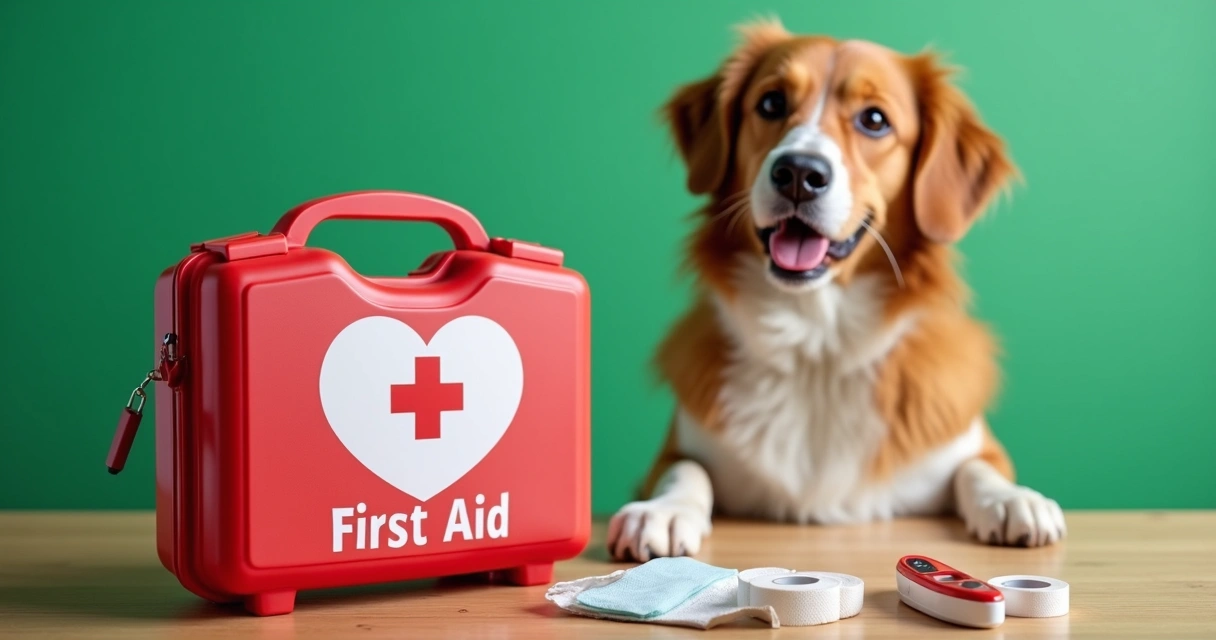
Packing a proper first-aid kit is something I always recommend. The Iowa Department of Natural Resources has a handy checklist (pet-specific first-aid kit advice) that covers everything you might need:
- Sterile gauze pads and adhesive tape
- Saline solution for wound or eye rinsing
- Tweezers for removing ticks or splinters
- Hydrogen peroxide (use only if instructed by a vet, and never in wounds)
- A digital thermometer
- A soft muzzle (even gentle dogs can bite when hurt)
- Vet wrap and non-stick bandages
- Styptic powder or cornstarch for bleeding nails
- Scissors and a small flashlight
You can store all these in a sturdy pouch to keep with you during walks or trips to the park.
What not to do in an emergency
Sometimes I see panic lead to well-meaning mistakes. Here’s what I avoid:
- Never give human medication, like ibuprofen or acetaminophen. These can be toxic to dogs.
- Don’t force a dog to walk on an injured limb.
- Avoid trying to remove deeply embedded objects or washing deep wounds on your own—these need a vet.
- If your dog eats something poisonous, go straight to the vet or call the ASPCA Poison Control Hotline (888-426-4435). Cornell University guidance is clear—don’t wait or try to fix it yourself (Cornell University guidance).
Steps to prevent common injuries during play
While accidents can happen, many injuries are preventable. At Dogtown, staff supervise all group activities and match dogs according to both size and play style. In my view, this level of attention matters as much as first aid.
- Supervise playtime, always.
- Match dogs with similar activity levels and size.
- Keep nails trimmed and fur neat; professional grooming makes a big difference.
- Use safe toys—no small, breakable, or sharp objects.
- If walking, use proper leash handling (studies show many injuries are leash-related—over 356,000 between 2001–2018, primarily due to pulling and tangling, as noted in this research).
- Watch for signs of tiredness or overheating, especially in hot weather.
A little attention pays off. I often suggest pet parents consider training for better leash manners at places like Dogtown’s training center.
When to call the vet
I believe in trusting your gut. If you notice:
- Bleeding that won’t stop after 10 minutes of pressure
- A wound that’s deep, gaping, or spurting blood
- Continuous limping, swelling, or obvious broken bones
- Cloudy, red, or injured eyes
- Overheating and collapse or vomiting
- Exposure to toxins or poison
If you're unsure, veterinarians are your best source of advice.
For more serious issues or when you need boarding after an injury, Dogtown's boarding service can help monitor recovery in a safe setting, providing pet owners with peace of mind.
Conclusion
In my years working with dogs and their loving owners, I’ve learned that quick, calm first aid saves stress and sometimes even lives. With a stocked first-aid kit, a little know-how, and reliable care partners like Dogtown, you can turn an unexpected play injury into a manageable moment.
To discover more about dog safety, positive training, and well-supervised play, come visit us at Dogtown. Our staff is always ready to support both you and your pet in every step of your journey. Book a free pre-enrollment assessment or chat with our trainers to see how we put your pet’s happiness first.
Frequently asked questions
What is a common dog play injury?
The most common injuries from dog play are minor skin cuts, scrapes, or bruises, sprains from sudden twisting, and broken nails caused by rough movement. These usually happen when dogs are playing vigorously with each other or with toys.
How to treat a minor dog wound?
Gently clean the area with saline or clean water. Apply pressure using a sterile gauze pad to stop the bleeding. Cover the wound with a non-stick bandage and watch for signs of infection. If the wound is deep or bleeding doesn’t stop, see your vet.
When should I see a vet?
Go to the vet if bleeding continues for over 10 minutes, if there is a deep or wide wound, swelling, trouble breathing, suspected broken bone, or if your dog shows signs of severe pain or shock. For toxin ingestion, call a vet or the ASPCA Poison Control Hotline immediately.
What to do for a dog sprain?
Let your dog rest and avoid any further activity. You can apply a cold pack wrapped in a towel for up to 15 minutes. If the limp does not improve within a day or becomes worse, consult your vet.
How can I prevent play injuries?
Supervise your dog’s play, match dogs by size and play style, use safe toys, keep walks controlled with proper leash handling, and maintain grooming. Enrolling your dog in professionally supervised environments like Dogtown also helps reduce injury risk.