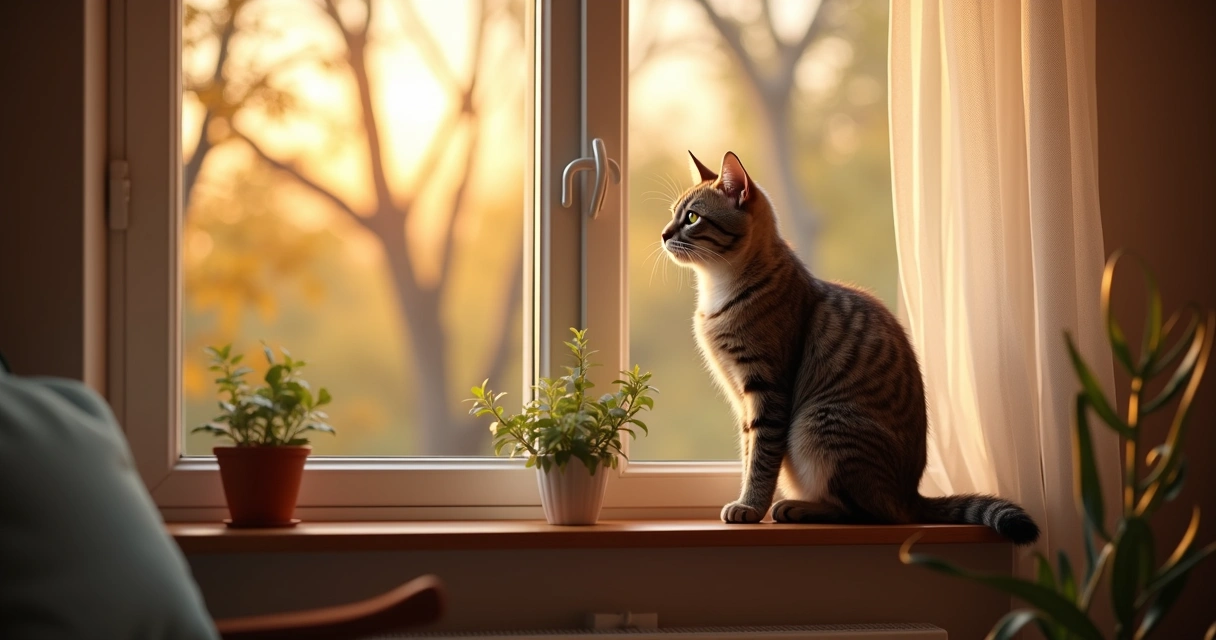
When the seasons shift and daylight waxes and wanes, many cat owners start to notice changes in their furry friends. Sometimes it’s a sudden burst of energy at night, or perhaps your cat becomes restless in the afternoon shadow. I’ve seen it in my own home, and I know how unsettling it can be. So, how can you help your cat adapt to these changing patterns? The answer lies in understanding how deeply daylight shapes a cat’s natural rhythm, and how small actions can support them through every seasonal transition.
Why daylight matters to cats
Cats are not just guided by our schedules. Their bodies are tuned to cycles of light and darkness in ways that might surprise many people. Domestic cats show clear patterns in their activity and rest that are closely linked to changes in light throughout the day and year. Scientific research, such as those studies on free-running circadian rhythms in constant darkness, shows these light–dark cycles directly influence when cats are alert or sleepy (domestic cats show free-running circadian rhythms in constant darkness).
Cats tend to be crepuscular, which means their most active times are around dawn and dusk. But it gets more complicated: Changes in the length of daylight, like when we “spring forward” or “fall back”, can throw off these natural patterns.
Light tells your cat when to play, rest, and eat.
Even in constant darkness, cats stick to their own rhythms for a while before their timing slowly falls out of step. But if the light changes abruptly or the pattern shifts, such as at the start and end of Daylight Saving Time, it can unsettle them. I’ve had cats that suddenly started yowling at unusual hours or demanded food hours ahead of schedule when the season tipped.
Typical signs your cat is affected
Some changes are obvious. Maybe your cat paces more at night. Maybe you find them napping at odd hours. Let me list a few things you might see during these daylight transitions:
- Your cat becomes more vocal at dawn or dusk.
- Sudden changes in sleep patterns, such as sleeping more during the day or waking at night.
- Unease around feeding times, with your cat begging earlier or protesting schedule changes.
- Odd litter box timing or more frequent “zoomies” in the middle of the night.
- Disrupted grooming habits—a restless cat may skip their usual self-care rounds.
Nothing serious? Sometimes, yes. But these small shifts can add up, especially if your cat already struggles with anxiety or has a stable routine that’s been thrown off. Based on research showing that tear production in cats also varies across the day, it’s clear their internal clocks affect physical processes as well.
How to support your cat through seasonal daylight changes
Now, here’s what I’ve learned through study, and through personal experience, about guiding a cat through the shifting tides of daylight. Sometimes it’s patience. Sometimes it’s a tweak to your daily routine. But always, it’s about tuning into your cat’s natural needs.
1. Keep routines consistent
Cats thrive on predictable schedules. If you feed, play with, or groom your cat at roughly the same time each day, you help anchor their internal clock even as outdoor light changes. Try to avoid sudden shifts in routine when possible. Move feeding or playtime by 10–15 minutes per day if you need to adjust.
2. Adjust lighting in your home
You can help your cat feel more secure by mimicking natural daylight patterns indoors. I recommend:
- Using a timer for lights in main rooms to create the effect of a longer or shorter day as needed.
- Opening curtains to let in as much natural light as possible during the day.
- Providing a cozy, dark space for your cat to withdraw if outdoor lights linger into the evening.
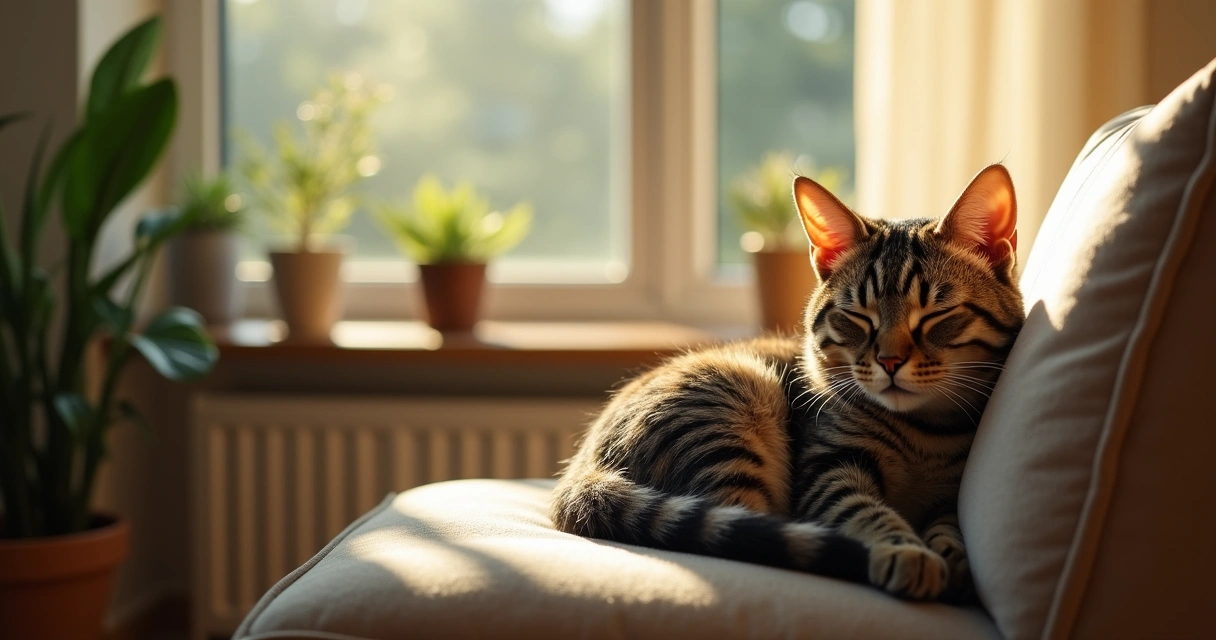
Seeing my own cat curled up in a sunbeam, blinking open an eye in the golden hour, I know she’s at ease. But I also respect her need to retreat when the room grows too bright or busy.
3. Mind your cat’s exercise and stimulation
With longer nights, cats can get bored and restless. Shorter days can trigger frustration. To help:
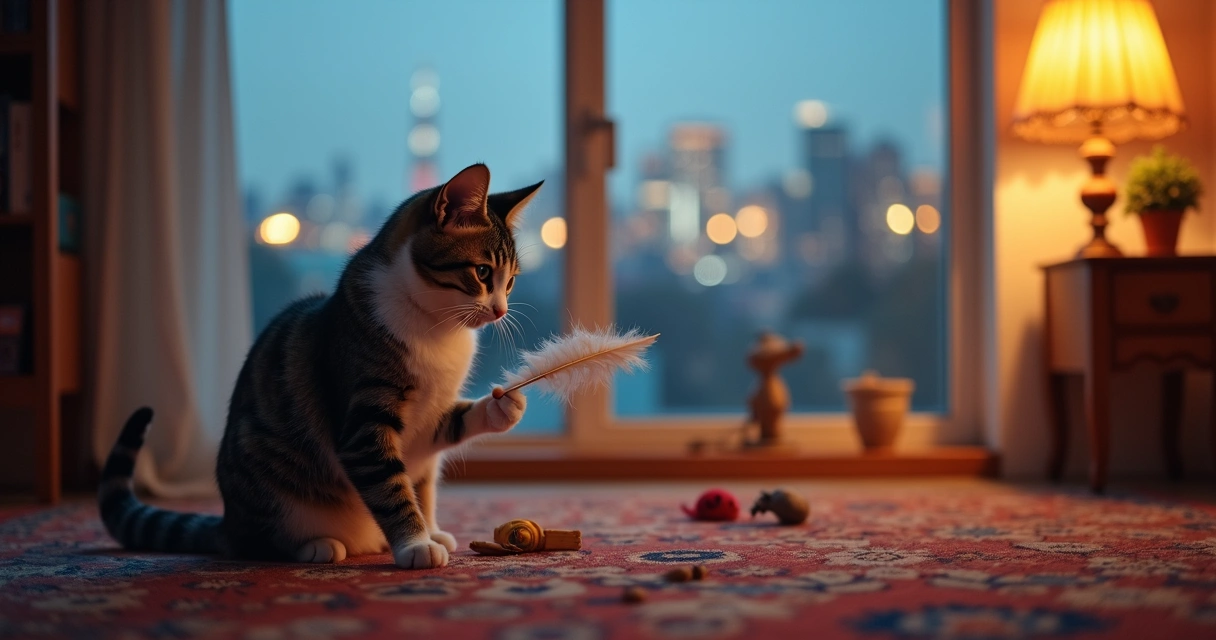
- Schedule active games (like using a wand toy) during dawn or dusk, matching their natural peaks in energy.
- Rotate toys regularly to keep things fresh.
- Encourage window sitting with bird feeders outside or a perch in a bright spot—perfect for stimulating those instincts at any hour.
4. Monitor health closely during transitions
I’ve seen that some cats become more sensitive to routine veterinary medication, changes in eating or grooming, or shifts in light. Studies observing how intraocular pressure and other physiological measures shift in sync with day-night cycles make me more mindful of things that seem subtle, like a change in how your cat’s eyes look or how much they eat. Track your cat’s weight, sleep habits, and general demeanor during these times.
Grooming matters, too. If your cat appears to be letting self-care fall by the wayside during stressful transitions, consider gentle brushing or a quick professional grooming session to get them back on track. Sometimes support from experienced staff at a place like Dogtown can make a surprising difference.
5. Be patient with behavioral changes
You might see your cat acting out in small ways. Maybe she knocks over her food bowl, or he yowls at odd hours. Most of these behaviors settle down within days once light patterns stabilize and you stick to a calm environment. Never punish or scold—reassure and redirect instead.
Patience is a kindness your cat will remember.
How the science of sleep and light affects your cat
It’s not just a matter of mood. Cats’ brains and bodies respond to light and darkness in measurable ways, from sleep cycles to body temperature to alertness. These natural rhythms can even keep going for a few days in darkness, though they’ll slowly fade if disconnected from the daily dance of light outside. Research on how short, artificial light–dark cycles change brain states and alertness in cats further shows that too-abrupt changes can leave your cat feeling “off” for days or weeks.
If you notice sleep problems or restlessness in your cat that persists, consider an environment check:
- Are there noisy interruptions near where your cat sleeps?
- Does light from outside or screens disrupt nighttime rest?
- Are you adjusting your own schedule, making more noise during your cat’s favorite nap window?
You can support smoother adjustment by providing a quiet, cozy, dark spot for sleep, well away from sudden noises or flashing screens.
When to seek help for your cat
Most cats adapt, sometimes with a few grumbles or odd sleeping hours. But if your cat’s restlessness, loud vocalizations, or changes in eating and litter box habits persist for more than a week, a quick vet check is reassuring. Unusual withdrawal, weight loss, or a sudden stop in eating are red flags I never ignore.
If you ever need help smoothing out your cat’s routine—during seasonal transitions or otherwise—boarding or day camp solutions like those offered at Dogtown (boarding options or day camp experiences) can be a gentle bridge during tricky periods. Professional support, like personalized training or regular updates through the Dogtown app, builds confidence for both pet and owner.
Conclusion: Set your cat up for sunny days ahead
Helping your cat adapt to shifting daylight is a partnership. Change can make some cats anxious, but with a steady routine, thoughtful lighting, and a bit of patience, you can make every season comfortable for your friend. Dogtown’s approach—mixing real knowledge, careful attention, and gentle structure—has inspired the way I handle daylight changes at home.
If you’re ready for more tailored advice or want a hand with grooming, training, or personalized feedback for your cat, explore what Dogtown offers. Reach out and schedule an assessment, so together, we can help your pet thrive every month of the year.
Frequently asked questions
What is daylight saving time for cats?
Daylight saving time is a human practice, but for cats, it means that the light–dark cycle in their environment suddenly shifts by an hour. Cats do not understand the clock change and only react to the new timing of daylight and darkness. As a result, feeding, play, and sleep patterns may all shift until their bodies adjust.
How can I help my cat adjust?
Start by moving routines a little at a time—shifting feeding or play by 10–15 minutes per day can help. Offer comfort in the form of familiar bedding, steady schedules, and gentle engagement. Supporting your cat with consistent lighting and calm can also smooth the transition. Professional services such as individualized training options may support cats struggling with bigger shifts.
Why does my cat act restless now?
Cats rely on daylight and internal rhythms to predict when to be active or restful. Sudden changes in the light–dark cycle, like during seasonal shifts or daylight saving time, can leave them feeling “off” or restless for a few days. Most settle down as the new routine becomes familiar.
Should I change my cat’s feeding times?
You don’t have to shift feeding all at once. I find the best way is to move meal times in small increments if adjusting, helping your cat’s internal clock adapt gradually. Sudden changes can add stress, but a shift of 10–15 minutes each day is gentle for most cats.
How to keep my cat calm during changes?
Stick to regular routines, keep your home peaceful, and give your cat safe places to rest. Offer extra play or grooming to comfort anxious cats, and avoid forcing interaction if they want to be alone. Using resources like the Dogtown app for tips and tracking habits can also be helpful.