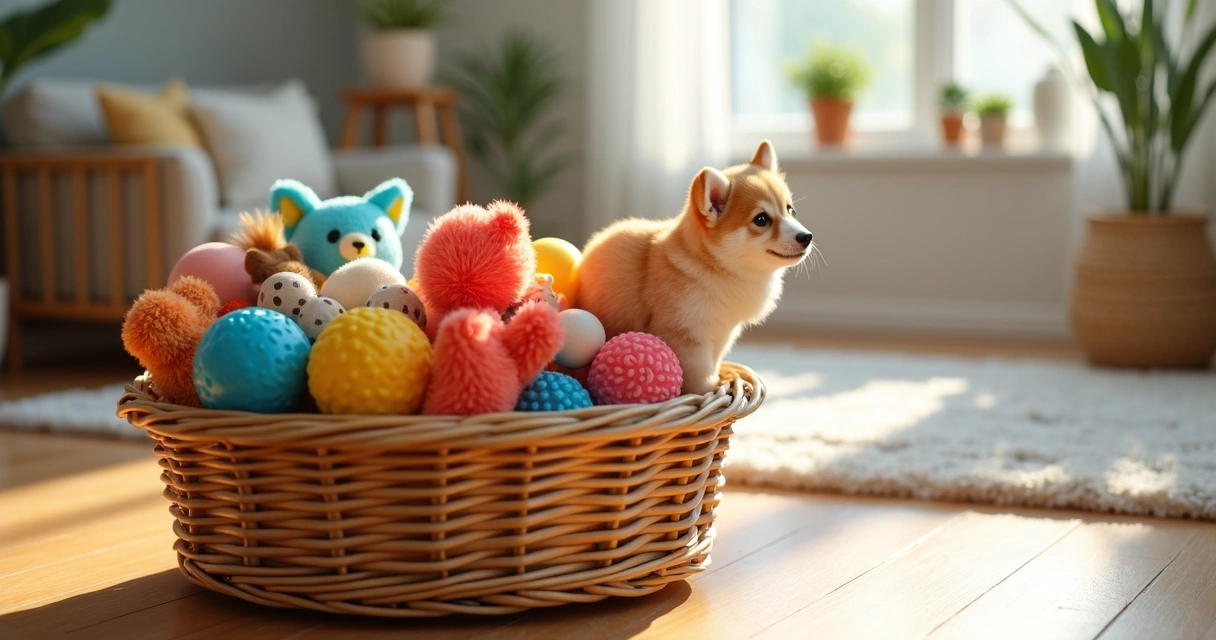
When I think about my own daily routines with pets, it’s not just the walks, the feeding, or even the cuddles that stand out. What really sticks with me is the little things—like how much joy a well-loved squeaky toy brings, or how a favorite plush quickly becomes a constant companion. But with every slobbery tug and game of fetch, these toys become magnets for dirt, bacteria, and things we can’t always see. In my experience, keeping pet toys clean and safe isn’t just for your peace of mind. It’s central to the health and comfort of your furry friends.
Why clean pet toys matter for your pet’s well-being
We all know our pets use their mouths for everything. They carry their toys around the house, chew vigorously, and sometimes share with other animals. Over time, dirt, saliva, food debris, and even potential germs can build up, making toys not just unsightly but possibly unsafe. According to CDC guidance on cleaning and disinfecting pet supplies, regular cleaning of pet toys is an effective way to reduce the transmission of germs between pets and people, as well as among animals themselves.
Better habits bring healthier pets.
Despite this, studies such as peer-reviewed research on pet owners’ cleaning practices reveal that most people fall short. Only 35.7% of dog owners and 21.5% of cat owners clean pet food bowls after every use. It’s easy to imagine that toy cleaning is even less frequent. But this is where we can step up.
Understanding the risks: More than just dirt
When cleaning pet toys, it’s not just about dirt. What really captures my attention are studies suggesting that certain plastics in pet toys can leach chemicals—like phthalates and BPA—especially when exposed to saliva and repeated use. These chemicals have been linked to potential endocrine issues for pets. This fact alone made me rethink the toys I choose and how I clean them.
With that in mind, let’s look at how we can break down the process of keeping pet toys clean and safe, every single day.
Breaking down the steps: How to clean pet toys
Sorting: Start by grouping toys
I always begin by gathering all pet toys for inspection. It’s the moment of truth—some are still safe, and a few have seen better days. Here’s how I sort them out:
- Plush toys: Soft, stuffed, and often machine washable.
- Hard toys: Rubber balls, fetch sticks, chew bones.
- Rope toys: Great for tugging, but prone to trapping moisture and debris.
- Interactive/puzzle toys: Toys with seams or compartments that can trap food.
If anything is cracked, frayed, or coming apart at the seams, it goes straight to the trash. Safety first—I don’t want my pet swallowing a chunk of squeaker or stuffing.
Knowing what to use (and what to avoid)
According to health experts who address safe cleaning and disinfecting practices for pet supplies, most toys can be cleaned using simple methods:
- Hot, soapy water: Kills most germs and removes grime.
- Dishwasher: Many hard toys are top-rack safe (but avoid anything not labeled dishwasher-friendly).
- Laundry machine: Great for plush and rope toys on a gentle cycle.
I avoid harsh chemicals or strong disinfectants, since residues could harm pets. Bleach, for example, might be used in rare cases for disinfection, but should always be thoroughly rinsed out, as recommended by the CDC cleaning guidelines for pet supplies. When in doubt, gentle is the safest route.
Step-by-step guide: Washing different toy types
Here’s my method for safe cleaning each kind of toy:
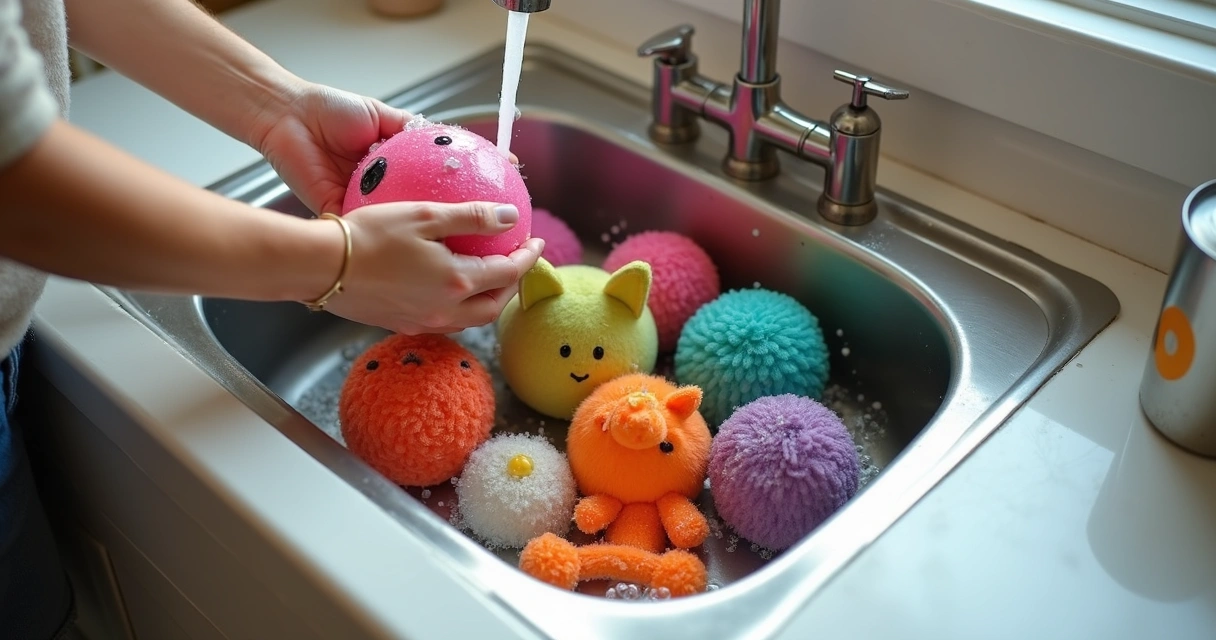
- Plush and rope toys: I place them in a pillowcase or laundry bag and wash in the machine, cold or warm cycle, using fragrance-free detergent. Air drying preserves the shape and fluff.
- Rubber and hard plastics: Soak in hot, soapy water for 10-15 minutes. I use a brush or old toothbrush for grooves and hard-to-reach spots. Rinse fully before drying.
- Rope toys (for deep cleaning): Some people microwave damp rope toys for a minute to kill germs, but always check there’s no metal and watch closely. Personally, I lean towards frequent washing instead.
- Puzzle or treat-dispensing toys: I take apart and scrub every nook, as old food quickly grows bacteria and mold. Let them dry fully before refilling.
Drying completely is as important as cleaning, since trapped moisture can lead to mold or odors.
How often should toys be washed?
Everyone wonders, how often is enough? In my experience, the answer depends on the type of toy and how often it’s used.
- Daily or weekly: Toys that see heavy use (favorite fetch ball, puppy’s plush) should be cleaned weekly. If your dog takes their toy outdoors, I recommend rinsing after each play session.
- Monthly (at least): Toys that rarely come out, or those with minimal use, should still be washed monthly as suggested by CDC recommendations on cleaning pet toys.
- Immediately: If a toy gets soiled by food, urine, or anything unsanitary, wash it right away or discard if you can’t get it clean.
Material matters: Choosing safe toys for your pet
Having worked with so many pet owners and reading through studies on chemical exposure from pet toys, I pay close attention to what toys are made from. Generally, I avoid toys with unknown plastics or strong chemical smells. For long-lasting and safe play:
- Look for materials labeled as BPA-free and phthalate-free.
- Choose natural rubber, dense cotton rope, or unbleached canvas.
- Skip painted toys or those with glued decorations that can flake off.
When uncertain, high-quality products from reputable sources are a better bet. You can always ask your groomer or pet care facility for recommendations—at Dogtown, staff are always ready with tips for safe enrichment that matches your pet's temperament and size.
Building healthy routines at home and at daycare
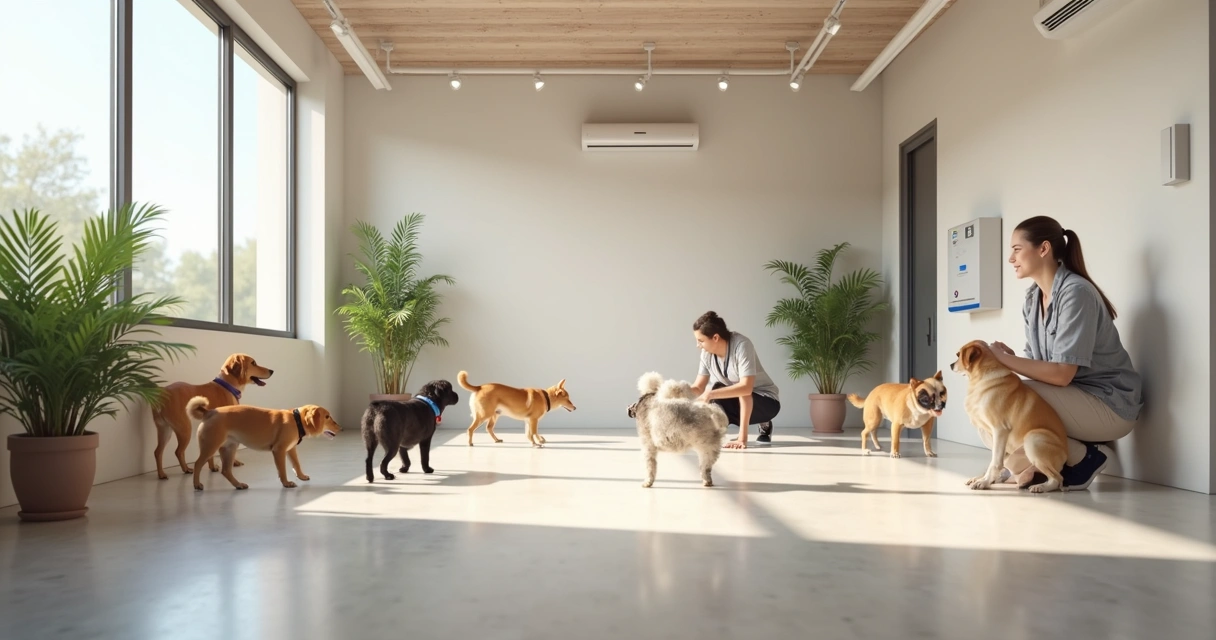
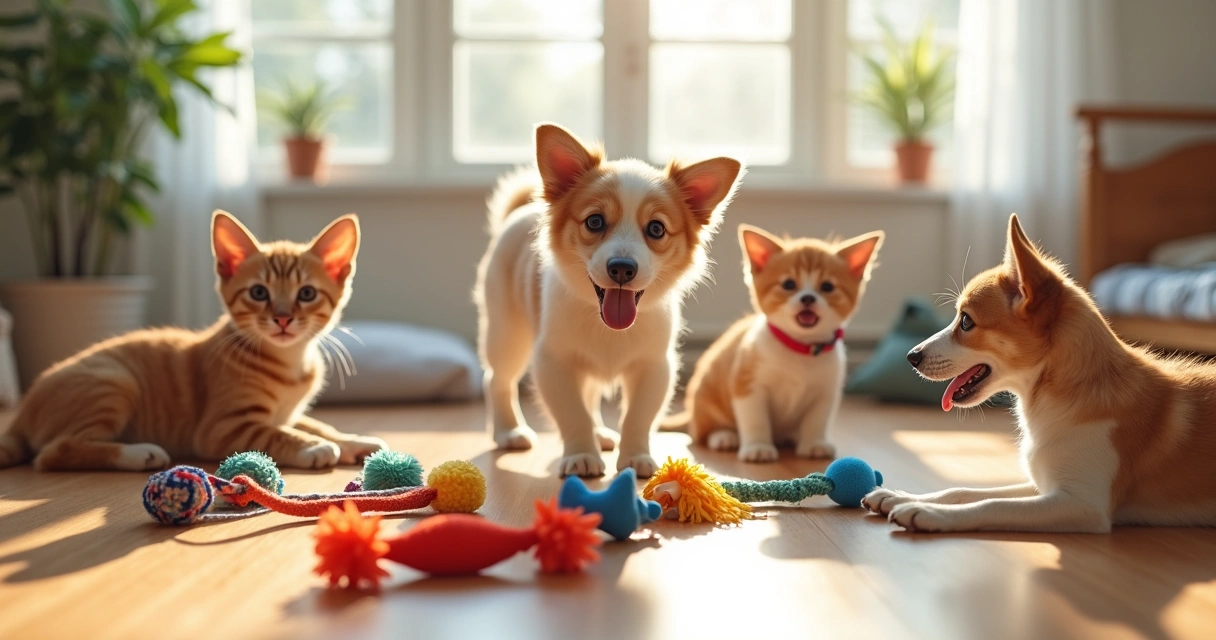
Routine cleaning keeps toys safe at home, but I learned from the Dogtown team how much this matters for daycares, too. In shared spaces, toys are handled by many pets, so disinfection and sorting (by size, temperament, or play style) helps prevent both health risks and conflicts. Dogtown’s day camp and dog daycare programs design every detail around health and enrichment—including frequent toy cleaning and assessment for safety.
And if you’re looking for a refresh, their grooming services for dogs and cat grooming can address everything from dirty paws to toys that need a deep clean. I can vouch for the relief of coming home to both a fresh-smelling pet and a basket of washed toys.
What to watch for: When to retire a toy
No matter how often I clean, not every toy will last forever. I always keep an eye out for these danger signs:
- Bits breaking off, especially squeakers or stuffing peeking out
- Strings unraveling from rope toys
- Cracks or sharp edges on hard toys
- Mold or stubborn odors after washing
“If in doubt, throw it out.” It’s a rule I never regret.
Bringing it all together: Clean toys, happy pets
As I see every time I watch a dog pounce on their favorite squeaky or a cat chase a feathered teaser, toys aren’t just playthings—they’re part of our pets’ well-being. Their health, comfort, and happiness all begin with the little things we do to keep their world clean and safe. If you want professional support or ideas for safe play, the staff at Dogtown are always ready to help, from personalized training sessions to grooming and enrichment advice.
If you’re ready to give your pet the best, I invite you to schedule a pre-enrollment assessment or visit Dogtown in Gloucester, MA. For clean toys, happy playtimes, and expert guidance, you’ll find every service designed for your pet’s joy.
Frequently asked questions
How often should I wash pet toys?
Most pet toys should be washed once a week if they’re played with daily. Toys used less frequently can be cleaned monthly, but those that get visibly dirty or come in contact with food, waste, or outdoor contaminants need immediate cleaning. Keeping up with this routine reduces germs and protects both pets and family as suggested by CDC advice on cleaning pet supplies.
What is the safest way to clean toys?
There are several safe methods, depending on the toy’s materials. Plush and rope toys can go in the washing machine inside a pillowcase, using fragrance-free detergent. Hard rubber or plastic toys can be scrubbed with hot, soapy water and rinsed well, or sometimes washed in the dishwasher (top rack only if labeled dishwasher-safe). Avoid using harsh chemicals that may leave harmful residues.
Can I use bleach on pet toys?
Bleach can kill germs but only use it with great care. For plastic toys, a dilute solution (four teaspoons bleach to a quart of water) may be used for deep cleaning, but toys must be rinsed thoroughly multiple times and fully dried before returning to your pet. If you have any doubts or if your pet is sensitive, skip bleach and use hot water and soap instead.
How to know if a toy is safe?
Check toys for signs of damage, such as cracks, broken seams, or missing pieces that your pet could swallow. Choose toys labeled as non-toxic, BPA-free, and phthalate-free to avoid unwanted chemical exposures. If a toy smells strongly of chemicals or shows signs of wear, retire it promptly. Always pick toys that match your pet’s size and play style to prevent choking or injury.
What materials are best for pet toys?
Natural rubber, cotton rope, and unbleached canvas are generally safe choices. Look for toys labeled as BPA-free and phthalate-free, since certain plastics can leach chemicals when chewed. Avoid toys with paint, glued decorations, or unknown synthetic materials. When in doubt, consult with your pet care provider or choose products from reputable manufacturers.