
Walking into a pet daycare for the very first time, leash in hand and hope in your heart, can feel a lot like dropping off a child at their first day of school. Nobody wants to forget something that could make the difference between a happy, wagging tail and a day of anxiety—both for your companion and yourself. After years of guiding pet owners through those big firsts, I've seen what helps pets settle smoothly. Having the right supplies means fewer worries and happier pets. So, here's my personal go-to checklist for your pet’s very first daycare adventure.
Understanding your pet’s unique needs
I’ve learned that no two pets arrive with the same energy or confidence. Some bound in, ready to meet new friends; others watch every move, wary and reserved. At Dogtown in Gloucester, MA, the focus is on safe socialization—small groups, expert supervision, and thoughtful groupings by size and personality. That spirit shapes the preparation: the better you know your pet’s quirks, the more thoughtful your packing can be.
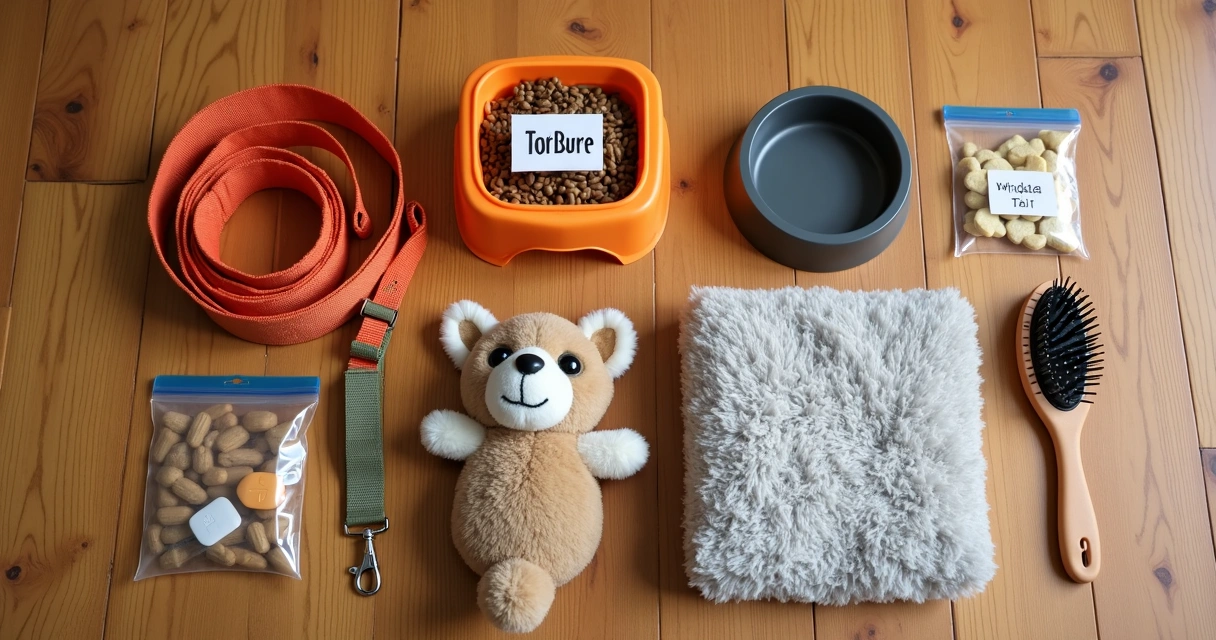
Why the right items matter
Bringing the right gear does more than ease separation; it can reduce stress, meet special needs, and ensure your dog or cat enjoys the full benefit of professional daycare services like those provided at Dogtown. The right preparation also makes life easier for staff who want every guest to feel secure—something that’s becoming increasingly relevant as, according to U.S. Census Bureau data, pet care services industry spending has more than doubled over the past decade. That’s a lot of families looking for the best experience!
1. Your pet’s current identification
Sometimes, the very simplest thing is the most overlooked. Always ensure your pet’s collar has an up-to-date ID tag—your name, contact number, and any special medical info. Microchips are wonderful, but daycare staff rely on quick, visible details when they need it most. I’ve lost count of how many times a clear label saved a stressful situation.
2. Food and feeding instructions
This is where routines matter. Bringing your pet’s own food (and treats, if allowed) means fewer tummy upsets and more comfort. I usually pack just enough for the day, in a well-labeled, airtight container. Clear feeding instructions help daycare professionals, especially in facilities that offer various care packages like Dogtown’s day camp, provide the right care at every mealtime.
3. Prescribed medications (if applicable)
If your pet takes medication, put it in its original packaging with exact instructions. Then, tuck those instructions in a zippered bag along with your contact info. Clear communication prevents confusion, especially on busy days. I have witnessed anxious mornings made smoother because a parent wrote out, in plain handwriting, exactly how and when to give a pill.
4. Comfort object from home
Even the most relaxed pets can feel nervous in a new setting. A favorite toy or blanket often carries the scent of home, which can instantly calm a worried animal. I remember a small dog who clung to an old towel with her guardian’s laundry smell. That little piece transformed her morning from scared to snuggly.
5. Leash and secure harness or carrier
You’d be surprised how often leads are forgotten. For dogs, a sturdy, well-fitting leash and harness help with safe transitions in and out of the building. Cats do best in secure carriers with their name tagged on the outside. I like to attach a backup leash just in case—sometimes nerves or excitement make pets slither out of collars at the worst time.
6. Vaccination records and emergency contact
Most reputable facilities, including boarding services at Dogtown, require up-to-date vaccination paperwork at drop-off. If you don’t have the latest copy, reach out to your vet ahead of time so daycare can keep all guests safe. I tape a list of emergency contacts (my phone, my vet, a backup) inside my pet’s carrier—no digital devices needed if the Wi-Fi goes out!

7. Special grooming supplies
Pups with sensitive skin, long fur, or allergies sometimes need their personal brushes or wipes. Sending a labeled brush keeps your pet looking sharp, especially on days they get the fun of on-site grooming treatments like nail trims or moisturizing baths. As U.S. Bureau of Labor Statistics data shows, grooming roles make up a significant part of pet care work—so supplying your regular tools helps staff offer that special consistency your pet loves.
8. A list of commands your pet knows
If your dog or cat responds to specific words or signals (maybe “sit,” “wait,” or even something quirky like “high five”), jot these down for the staff. It’s especially useful when participating in special programs such as Dogtown’s personalized training sessions. I once met a cat who only came to the word “cheese”—the written note saved staff a lot of confusion!
9. Clean-up supplies and waste bags
Most daycares have plenty on hand, but I always include a few of my own, especially for pets with sensitive stomachs or unpredictable bathroom routines. A small packet of wipes or a roll of waste bags tucked into the day bag is just polite. It’s easy to overlook, but appreciated by the staff.
10. Seasonal extras
Weather can change everything. On hot days, a cooling mat or water bottle, on cold ones, maybe a sweater. At Dogtown, indoor and outdoor daycare options mean pets get fresh air year-round. Still, bringing a coat for a shivery dog, or a breathable vest for summer, keeps everyone comfortable and ready for play.
Sometimes, a simple labeled blanket makes all the difference.
Personal reflection on the first day
Maybe you won’t sleep well the night before, or maybe you’ll double-check your list—then triple-check. That’s very normal. I’ve seen hundreds of new families come through those daycare doors, each carrying their fears along with their bags. In nearly every case, thoughtful preparation makes the transition smoother, not just for your pet but for you as well. The first day of daycare can set the tone for a lifetime of happy experiences together.
I know the pet care sector keeps thriving with more people than ever choosing specialized services. In fact, recent research from the U.S. Bureau of Labor Statistics shows small providers make up a huge part of the industry. This means more options and more need for clear communication, personal touches, and mutual trust—exactly why Dogtown’s staff does pre-enrollment assessments to get to know each animal as an individual.
Conclusion: Give your pet the best first day
Sending your pet off for their first day at daycare can feel daunting, but with this simple checklist, you give them every chance to thrive. Preparation isn’t just about items—it’s a language of care and kindness your pet feels right away. If you’re ready for your pet to have a positive, joy-filled daycare experience with feedback and thoughtful care, consider scheduling a free pre-enrollment assessment at Dogtown. Your pet’s new adventure could start today.
Frequently asked questions
What should I pack for pet daycare?
You should pack your pet’s current ID tag, food and feeding instructions, any medications in their original packaging with detailed instructions, a comfort object like a favorite toy or blanket, a secure leash and harness or carrier, vaccination records, emergency contact information, grooming supplies if needed, a list of your pet’s known commands, waste bags or clean-up supplies, and weather-appropriate extras like a sweater or cooling mat. It’s always helpful to ask staff at Dogtown or your chosen daycare if they recommend anything special for your pet’s needs.
How to choose the best items?
Select things that reflect your pet’s regular routine—familiar food, their own bedding, and a toy with the scent of home. If your pet has specific medical or dietary needs, bring corresponding items with clear instructions. Label everything, especially if your pet sometimes shares space with others, and don’t hesitate to seek personalized staff input.
Are treats allowed in daycare?
Treats are allowed in many daycares, but always check with staff first, as some pets may have allergies or special dietary restrictions. At Dogtown, staff can use treats for training or positive reinforcement with your written approval, but it’s wise to note ingredients and any sensitivities your pet has. When in doubt, pack a few familiar, healthy options and provide guidance on when they may be given.
Do pets need their own bedding?
Your pet doesn’t always need their own bedding, as many daycares provide cozy nap spaces. However, a familiar blanket or towel can soothe anxious pets, especially on their first day. I’ve noticed dogs and cats adjust faster when they can curl up on something with the scent of home, so I always recommend sending a small piece of your bedding if you can.
How can I label my pet’s things?
Permanent markers work well on hard items like plastic containers or fabric tags sewn into bedding, harnesses, or toys. For medication or food bags, use waterproof address labels. Attach ID tags to carriers or leashes for quick recognition. Consistent labeling reduces confusion for daycare staff and ensures all your pet’s belongings return home at the end of the day.