
I have always believed that our pets deserve the same thoughtful attention we give to our own health. If you’re anything like me, you probably notice the growing number of supplements on the market designed for dogs and cats. It’s no surprise, since recent studies published in the Journal of the American Veterinary Medical Association found that nearly 10% of pet owners now give dietary supplements to their pets, with multivitamins leading the pack (Journal of the American Veterinary Medical Association). But with this trend comes responsibility. Creating a safe supplement routine for your furry companions requires more than just good intentions—it calls for patience, consistency, and a clear understanding of your pet’s unique needs. Let’s break down a practical, effective way to build such a routine, with a little insight from my years at Dogtown and the latest research.
Why a supplement routine matters
Supplements, when used with care, can support joint health, skin condition, digestion, and even behavior. According to a recent review on NCBI, up to one-third of U.S. dogs and cats receive supplements—direct evidence of their growing popularity. But I’ve seen how inconsistency or misuse can defeat their purpose or even cause harm. Building a safe routine protects your pet’s health and gives you peace of mind.

Start with a professional assessment
The first step is to never guess. I always recommend getting a thorough health check for your pet. Vets help decide if supplements are needed and guide on suitable types and doses. At Dogtown, we make assessments a priority before introducing new routines—this goes for everything from training to daycare nutrition. This cautious approach minimizes risk and shapes a plan that fits your pet’s age, breed, size, and health status.
Safety begins with understanding your pet’s individual needs.
Set a schedule and stick to it
Consistency supports results and keeps stress low. Here’s my routine for keeping track:
- Pick a specific time daily. Link supplement time to something unmissable, like mealtimes or after walks.
- Use a pill organizer designed for pets.
- Add reminders on your phone or in a calendar.
- If you have more than one pet, keep their regimens separate and label containers.
Supplements work best when given the same way, every day. Over time, it becomes second nature for both you and your pet.
Administer supplements safely
Not all pets accept pills willingly. Over the years, I’ve found that patience and creativity can make a difference. Safety should always be your top concern.
- Read the label and follow directions. Some supplements need food, others should be given on an empty stomach. Always double-check.
- For picky eaters, try hiding pills in a treat or soft food. Just be sure the treat doesn’t interfere with the supplement.
- Introduce only one new supplement at a time to monitor for side effects.
- Never crush or split capsules unless advised by a vet, as this can ruin their effectiveness.
A calm, pleasant atmosphere helps. Dogs and cats pick up on our anxiety—if you stay relaxed and use gentle handling, your pet is more likely to cooperate.
Track doses and watch for reactions
One of the easiest ways to avoid accidental overdosing or missed doses is with a supplement log. I keep a simple notebook with these columns:
- Date
- Name of supplement
- Time given
- Any changes noticed in appetite, behavior, stool, energy levels
This method helps spot both positive changes and any unwanted symptoms. Problems like vomiting, diarrhea, skin itch, or changes in activity should prompt you to stop the supplement and ask your vet.
Monitoring is your early-warning system for supplement safety.
Use the right sources and quality
I’ve seen the difference high-quality products make, both at home and at Dogtown. Not all supplements are equal. Look for brands that follow safety standards and have clear ingredient lists. Avoid anything with artificial colors, excess sugar, or unpronounceable ingredients.
For cats, specialized formulas are a must. If your pet has unique grooming or wellness needs, like those addressed through services such as cat grooming or grooming for dogs, you’ll want supplements that work in harmony with their routine and skin type. Good communication with your vet makes a difference in choosing products that actually help rather than complicate other aspects of care.
Update the routine as your pet’s needs change
According to research from the Dog Aging Project, about 40% of adult dogs (with higher rates among older, large, and overweight breeds) now get some kind of joint supplement. Needs shift with age, activity level, or health status, and your supplement routine should too. A plan that works well for a two-year-old lab may need tweaking as your dog grows older or develops new exercise habits.
I check in at least twice a year with my vet, or more often for seniors or pets with chronic conditions. Adjusting doses or switching products can help avoid side effects and maintain benefits.
Combine supplements with other wellness routines
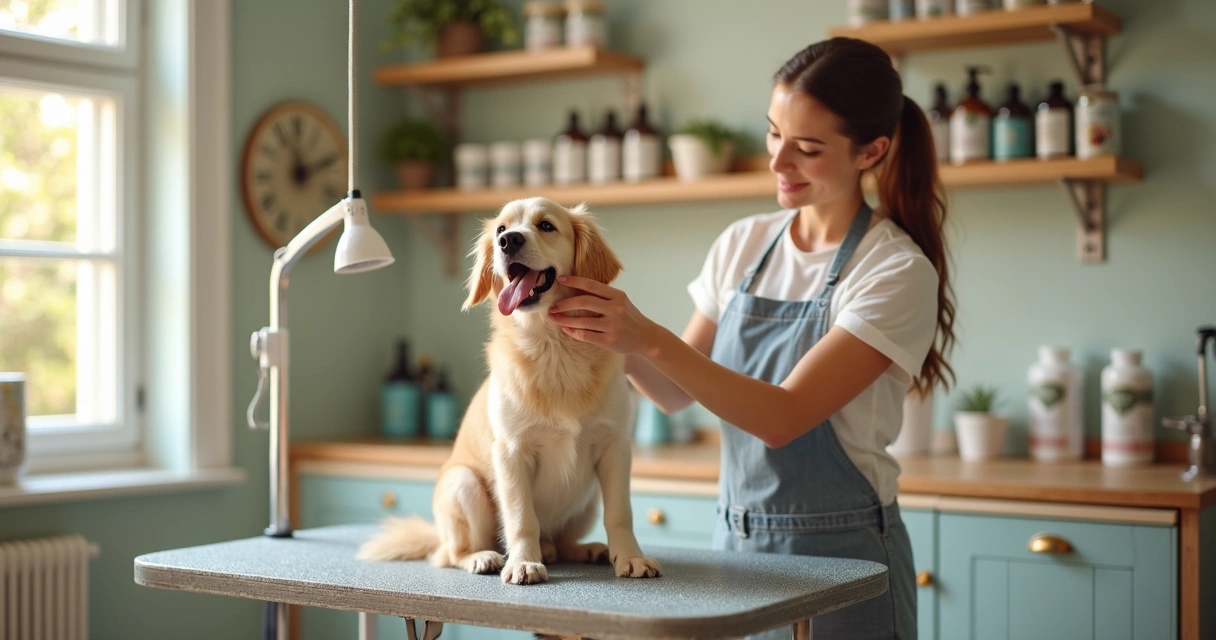
Supplements serve their best role when woven into an overall wellness plan. At Dogtown, animals enjoy tailored daily care—active play, regular day camp activities, dedicated obedience and behavior training, and nutritious meals. These core parts of healthy living work alongside supplements, not in place of real food, fun exercise, or proper grooming. Think of supplements as a boost, not a one-size-fits-all cure.
No supplement routine replaces love, good food, and active play.
Conclusion
Building a safe supplement routine requires care, patience, and good information. By focusing on your pet’s specific needs, working with your vet, and keeping a clear log of what you give and when, you can help your cat or dog feel their best every day. Safe supplement routines aren’t just about pills—they’re about trust, safety, and a happier, healthier bond. If you want extra support, or personalized plans that go hand-in-hand with training, grooming, or daycare experiences, Dogtown is always ready to help you create routines that fit your pet’s unique life. Book an assessment and see how joyful, worry-free wellness looks in practice.
Frequently asked questions
How to safely give my pet supplements?
To safely give your pet supplements, always talk to your veterinarian first, follow dosing instructions, choose high-quality products, and introduce only one new supplement at a time to watch for side effects.
What time should I give supplements?
Try to give supplements at the same time each day, ideally with a meal unless the directions specify otherwise. A fixed schedule helps your pet adjust easily and reduces the chance of missed doses.
Can I mix supplements with pet food?
Yes, you can mix many supplements (especially powders or chewables) with your pet’s food, but always check the supplement label and your vet’s advice. Some need to be given on an empty stomach or with a specific food.
How do I know the right dose?
Your veterinarian is the best source—each pet’s needs differ, and dosing instructions can change with age, weight, and health. Always measure and follow only what your vet recommends, never guesstimate the dose.
Are supplements safe for all pets?
Not all supplements are suitable for every pet—kittens, puppies, seniors, pregnant animals, or pets with chronic conditions may need different care. Always get a professional assessment first to keep your pet safe.