I remember the first time I tried to give a pill to my dog. The pill was tiny, but my dog instantly figured out that there was something unusual. He spat it out more times than I could count. I thought I was alone in this, but studies show that many pet owners struggle with giving medication to their animals. In fact, up to 50.7% of cat owners report sometimes or never receiving guidance on this topic, and dosing failures can happen in nearly a quarter of cases (international survey on administration, survey of cat owners’ experiences). Thankfully, pill pockets and medicated treats have made this stressful experience easier and safer for both pets and people. In this article, I'll share how to effectively use them, drawing on recent research, veterinary guidance, and my personal experience at Dogtown in Gloucester, MA.
Why medicating pets can be tricky
Anyone who has owned a cat or dog knows how sharp their instincts can be. They notice changes in texture, smell, and taste. Even the smartest animals might resist taking pills, especially if the medicine is bitter or unfamiliar. As a result, forcing medication can lead to stress, mistrust, and sometimes even injury. And if your pet manages to spit the pill somewhere hidden, the medicine won’t work, and you might not even realize it.
According to large-scale surveys, many pet owners seek information online because medicating is not as straightforward as it looks. The process puts pressure not just on the animal, but the owner too. Stress, failed attempts, and missed doses can all become part of a difficult cycle.
What are pill pockets and medicated treats?
Pill pockets are specially designed edible treats with a soft texture and a hollow center where pills or capsules can be hidden. Medicated treats are similar snacks that can mask the presence of medicine. These products aim to trick pets into taking their medicine voluntarily, without force or stress.
- Pill pockets come in different flavors, such as chicken, salmon, or peanut butter, making them appealing to both dogs and cats.
- They are moldable, so you can pinch them closed and fully hide the medication inside.
- Some treats are formulated to hold liquid medicine as well as tablets and capsules.
Sometimes the easiest solutions are also the gentlest.
How to use pill pockets and treats safely
In my experience at Dogtown, using pill pockets with a calm and positive attitude works best. Here’s the process I recommend:
Step 1: Wash your hands and prepare everything
Pets can be surprisingly sensitive to smells. If you handle medicine first, your pet might detect the scent even through the treat. Wash your hands and gather the pill, the pill pocket, and an extra treat.
Step 2: Insert the pill into the pocket
Take the pill pocket and gently place the tablet or capsule inside the center opening. Pinch the pocket closed, covering the pill entirely so your pet cannot smell or see it. Some pills crumble easily, so handle them softly.
Step 3: Offer a test treat
I’ve found that curiosity helps. Offer your pet a regular treat first. This sets them up to expect another, and it builds trust. Watch how willingly they take it, as this will help for the next step.
Step 4: Give the medicated treat quickly
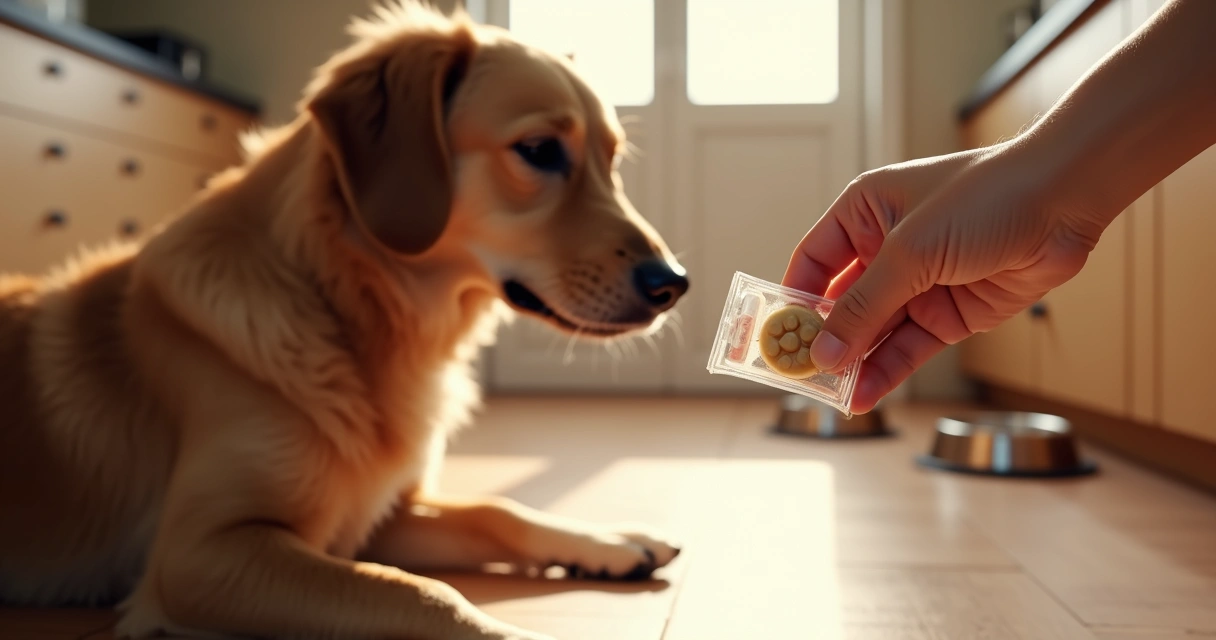
After the test treat, present the pill pocket. Most pets will eat it right away, especially if they think it’s just another treat. If they hesitate, use gentle encouragement and positive reinforcement. Sometimes, excitement or praise can do wonders.
Step 5: Monitor and check for mischief
Some clever pets, especially cats, might eat around the pocket or spit out the pill. Stay nearby and watch. If you find the pill on the ground or in the food bowl later, repeat the process. Always confirm your pet swallowed the entire pocket and pill to ensure the medication works.
Tips for easier and safer medication
- Pick the right flavor. Dogs might like meat flavors, while cats may prefer fish or chicken. Familiar tastes encourage acceptance.
- Cut large tablets into smaller pieces if your vet allows, making them easier to hide.
- Keep the mood positive. If you seem anxious, your pet can sense it. I find a cheerful, relaxed approach works best at Dogtown.
- If your pet is suspicious or fearful, try wrapping the treat in their favorite food, like cheese or a small piece of deli meat, if vet-approved.
- After giving the medication, offer praise or another treat. This helps link the experience with something pleasant.
A calm moment can turn a struggle into a simple routine.
Research on pill pockets and medication safety
Several recent studies bring good news for pet owners who use pill pockets. In one study on esophageal transit times in cats, researchers found that using pill delivery treats helped pills reach the stomach up to four times faster compared to dry pills alone. This reduces the risk of pills getting stuck and encourages safer swallowing. The same study noted similar results for capsules when compared to traditional methods.
Palatability—the willingness of a pet to eat something—is a main factor in successfully medicating animals. Another study found that more palatable formulations and treats significantly improved ease of administration and lowered dosing failures, especially in fussy felines (survey on oral medications in cats).
It's also interesting that many pet owners still look online for more guidance, reflecting common frustrations and the need for reliable, practical advice. That’s part of what inspired the team at Dogtown to offer personalized training for pet parents facing medication challenges as part of pet health support.
When to avoid pill pockets or treats
Always follow your veterinarian’s advice on giving medication. Some pills should never be given with food, as absorption could be reduced. Some pets may have allergies or special dietary needs, so choose treats made with safe, simple ingredients and never use anything toxic to animals, like chocolate, onions, or excessive salt.
If your pet is on a restricted diet for medical reasons, consider checking if the treats fit with their plan, or ask your veterinarian about safe options. In rare situations, you may need to use direct oral dosing or another method recommended by your vet.
Success at Dogtown: Making medication part of positive routines
At Dogtown, we focus on building trust and minimizing stress for both animals and their families. Whether it’s giving medication during daycare, while boarding, or after grooming sessions (for dogs and cat grooming), our trained staff use the safest and kindest techniques. I regularly see how pairing a new medication routine with special treats can turn a dreaded chore into a simple part of the daily schedule. Offering safe and positive medication support is just one of the ways we help pets feel at home during overnight stays and training sessions.
Conclusion: A little kindness goes a long way
I believe that giving pets their medicine should never be overwhelming for either of you. Pill pockets and medicated treats change the conversation from force to trust, making care gentler and safer. Backed by recent science and daily experience at Dogtown, these simple products improve the lives of pets and people alike. If you have questions, want supportive training, or need more personalized solutions for your pet’s health, you’re invited to schedule a free pre-enrollment assessment at Dogtown and discover a place designed for your pet’s wellbeing.
Frequently asked questions
What are pill pockets for pets?
Pill pockets are soft, edible treats with a hollow center designed to hide pills, tablets, or capsules, making it easier and less stressful to give medication to your dog or cat. They come in various flavors to appeal to different pets.
How do I give pills with treats?
Insert the pill into the hole of the pill pocket, pinch it shut, and offer it to your pet as a treat. Give a regular treat first if you want to build trust, and always check that your pet swallows the pocket completely.
Are pill pockets safe for all pets?
Most pill pockets are safe for dogs and cats, but some animals have dietary sensitivities or allergies. Consult your veterinarian if your pet is on a special diet or has known allergies before trying a new treat.
Where to buy the best pill pockets?
Pill pockets and medicated treats are widely available in pet stores and through veterinary clinics. During your next visit to Dogtown for daycare, boarding, or grooming, you can ask our staff for recommendations and see which options fit your pet's needs.
Can I make homemade pill pockets?
Yes, homemade pill pockets can be made with safe, vet-approved foods like soft cheese, cooked pumpkin, or plain peanut butter (without xylitol), molded around the pill to mask its taste. Just avoid ingredients that could be harmful to pets and check with your veterinarian when in doubt.