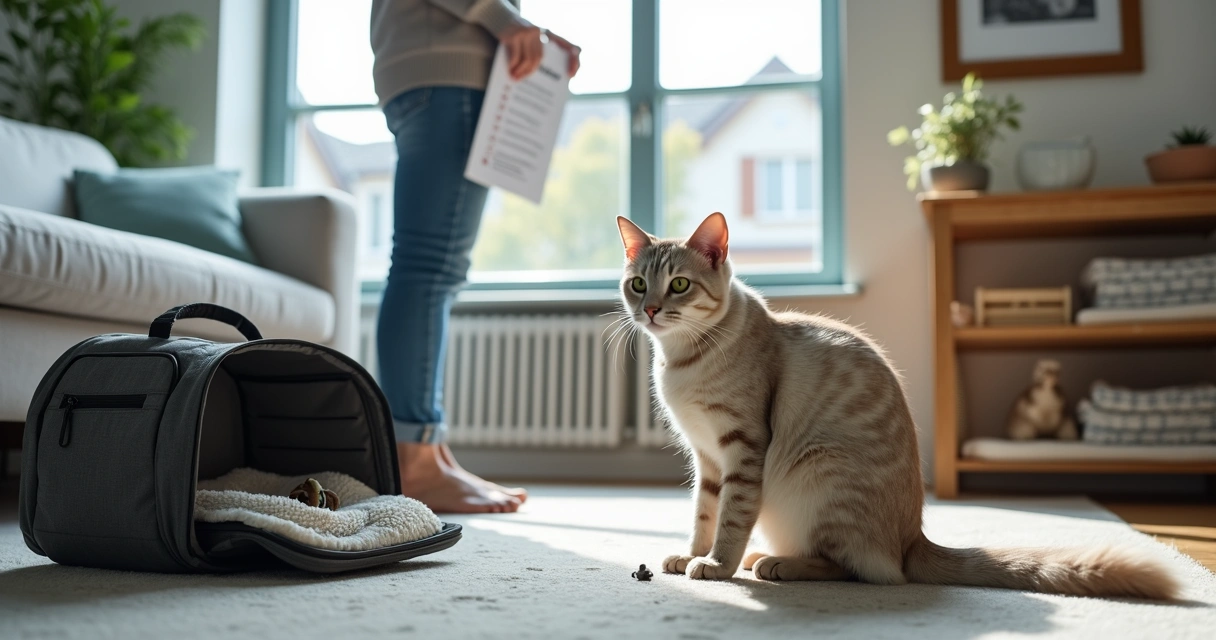
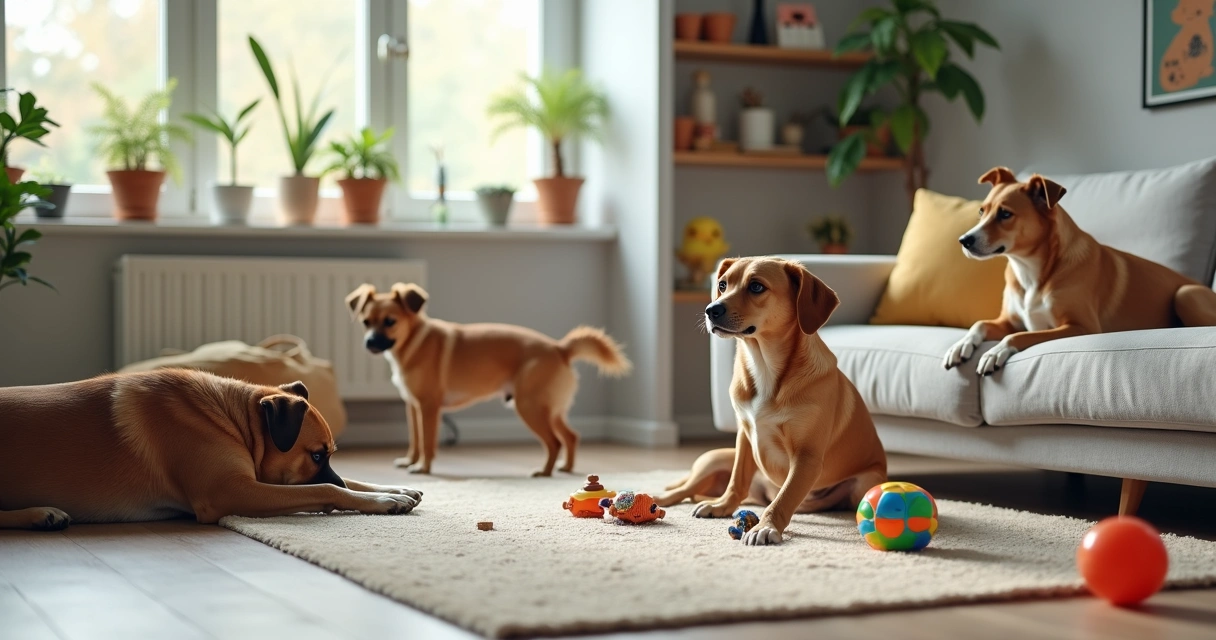
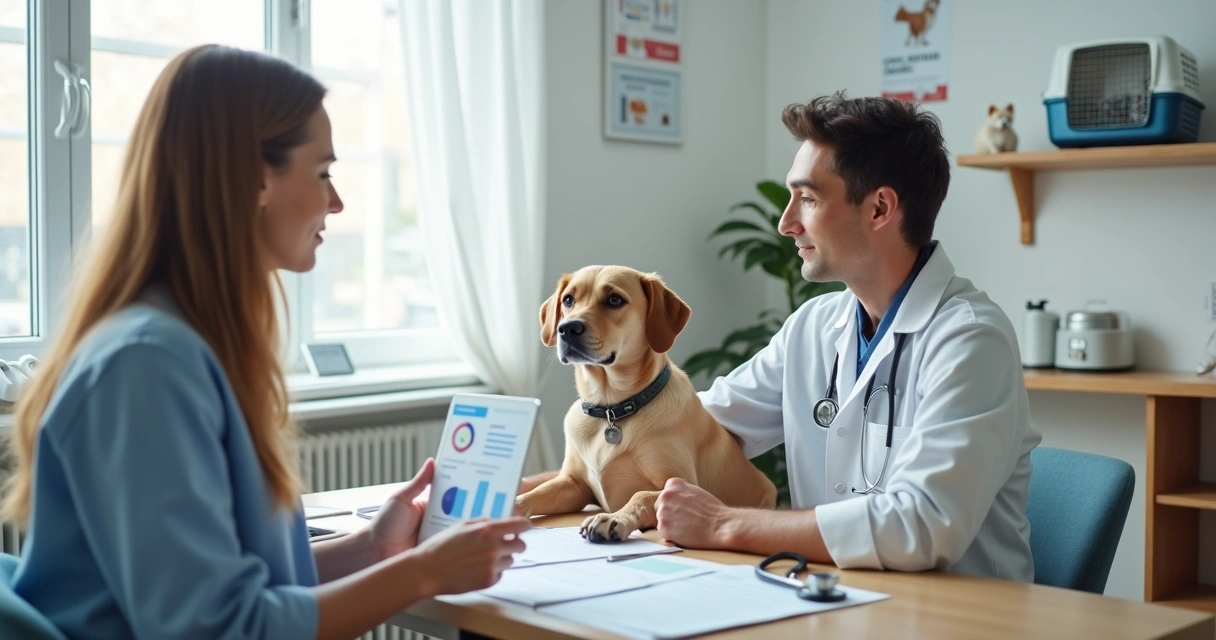
There’s a special bond we share with our pets. They greet us with joy after a long day and give us comfort in moments of quiet. But what happens when we have to leave, even for just a few hours? I see so many pets and owners at Dogtown struggle with these short breaks. I’ve watched tails droop and anxious eyes follow the door. I want to help both sides feel at peace. So let’s look at practical ways to help pets adjust to short-term absences without stress.
Understanding how pets experience absence
Every animal reacts differently to being left alone. In my experience, some will snooze the whole time, while others will pace or whine. Most pet owners have seen that worried look—the one that says, “Are you coming back soon?” There is science behind this. According to a study of 13,700 Finnish pet dogs, almost a third of dogs show clear anxiety-related traits, with noise sensitivity and fearfulness appearing together quite often.
Short absences may not seem like much, but for some pets, they trigger real anxiety. In my years at Dogtown, I’ve worked with both dogs and cats who needed extra support to relax during these times.
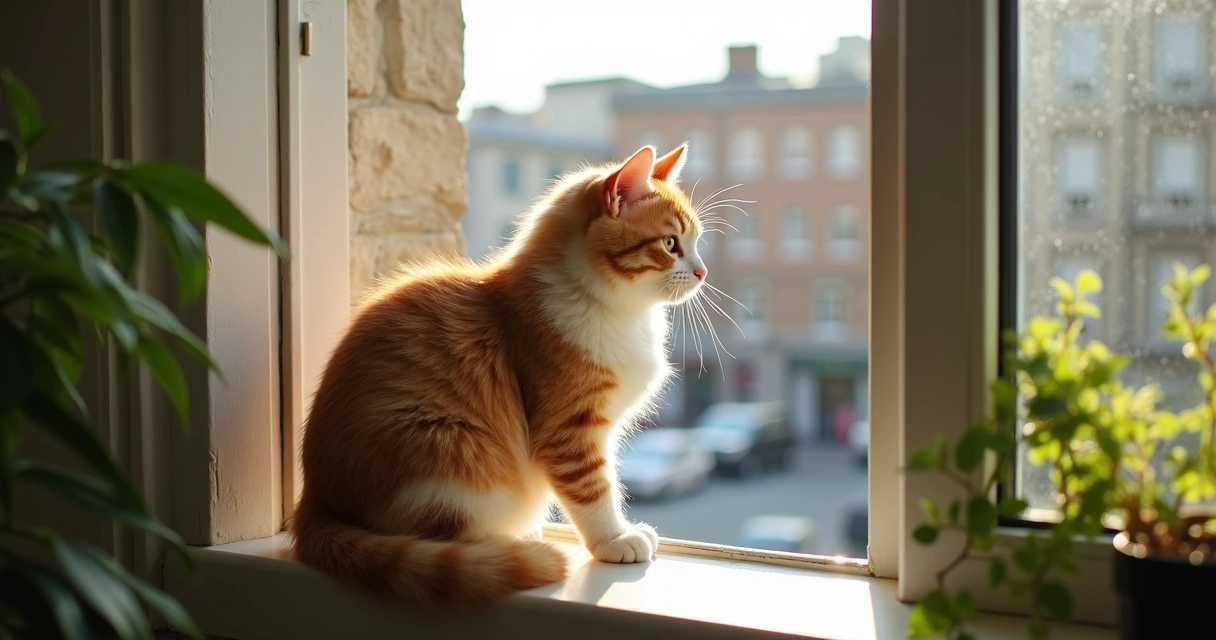
An empty home can feel much bigger to a lonely pet.
Recognizing signs of separation anxiety
Separation anxiety is a pattern of distress that pets show when left alone—even for a short while. Research spanning twenty years at a U.S. veterinary clinic revealed that nearly half of dogs presenting with anxiety issues were diagnosed with separation anxiety (Analysis of cases at a U.S. veterinary behavior clinic).
The signs often look like this:
- Pacing, whining, or barking when you leave or just before
- Excessive licking or chewing, often aimed at themselves or furniture
- Soiling inside the house when usually house-trained
- Destructive behaviors, like scratching doors or chewing items
- Waiting by exit doors for long periods
It’s easy to misread these signs as “naughtiness.” But in my experience, the root is usually anxiety. I often reassure pet owners at Dogtown that this behavior is not about spite—it’s about fear and uncertainty.
Why does separation anxiety happen?
Pets become attached to routines. Sudden changes, like returning to an office job or even running errands after being home more often, can unsettle them. Separation anxiety is especially common in pets who have been rehomed, as the University of Illinois notes in their guidance (University of Illinois veterinary guidance). Being separated from previous families makes new absences feel scarier.
Sometimes, animals become anxious because of specific events. For example, after a big storm, I noticed several pets at Dogtown became more worried when left alone. Research shows that noise sensitivity and fearfulness often go hand in hand.
Small changes can have a big impact on sensitive pets.
Preparing your pet for short absences
In my daily work, I see how preparation counts. Even a brief “see you later” can be less scary if handled thoughtfully. Here are strategies that have helped families and their pets:
- Practice leaving for short periods. Start with just a minute or two. Gradually build up the time. Praise calm behavior when you return.
- Create a predictable “goodbye” routine. Pick up your keys, put on your shoes, and say a consistent phrase. This helps your pet trust that you’ll return.
- Offer a special treat or toy only available during absences. At Dogtown, I sometimes suggest puzzle feeders or chew toys reserved for when the owner leaves.
- Leave a piece of your clothing nearby. Your scent can offer comfort and signal your return.
- Keep greetings and goodbyes calm. If you make a big fuss, pets may become more anxious. A gentle pat and a simple “See you soon” work wonders.
Patience is the real secret here. It can take weeks for a pet to learn that being alone is safe and temporary.
Enrichment for peaceful alone time
A bored pet is more likely to become anxious or destructive. I always recommend enrichment games and new challenges. For instance, food-dispensing toys or safe objects to explore can keep both dogs and cats busy while you’re gone.
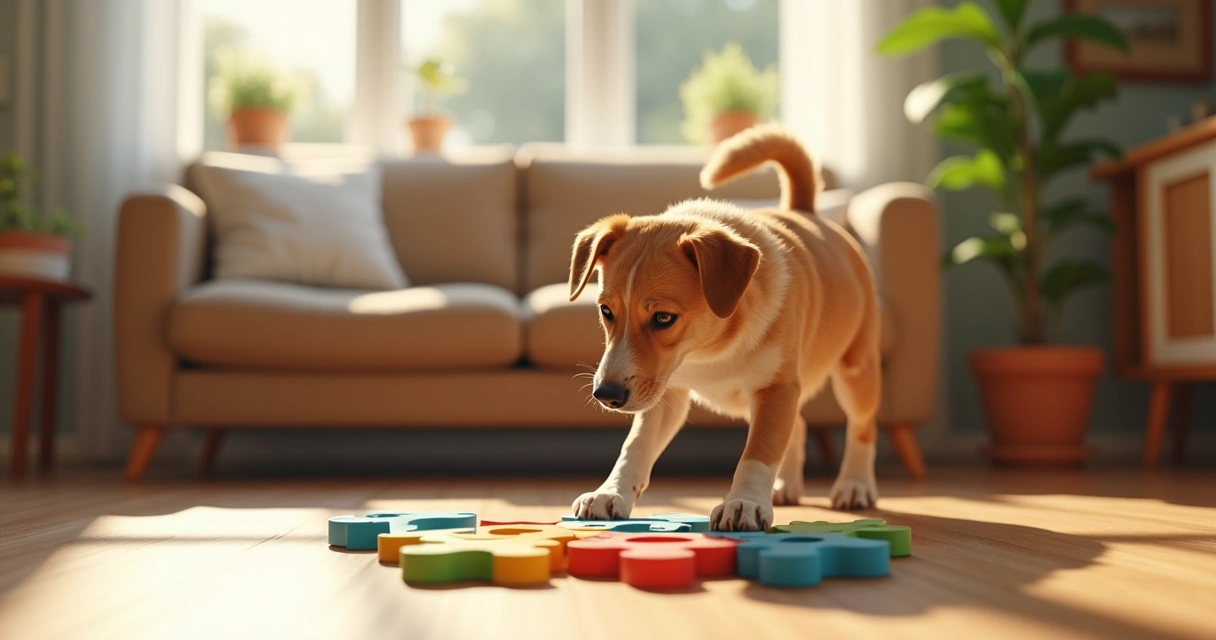
Some pets need more movement. Scheduled walks, either before you leave or using services like dog daycare, can help burn off nervous energy. In my experience, tired pets recover from alone time much faster.
For cats, rotating toys and leaving cardboard boxes around can also help. Hiding a few treats in easy-to-find spots gives them a reason to move and forage.
Support through professional care
Sometimes, despite best efforts, anxiety persists. This is when support from trained professionals shines. At Dogtown, I often suggest a personalized training program or a gentle, supervised stay at our boarding or day camp options.
Supervised socialization with experienced staff can make a big difference, especially for pets who feel overwhelmed in larger groups. We also offer grooming services, which help reinforce a relaxed relationship with new environments and routines.
With the right support, pets can overcome separation anxiety and enjoy their time alone.
What if your pet struggles after you leave?
If your pet continues to struggle, you are not alone. The NIH Record notes that as humans return to in-person work, more pets have shown symptoms of separation anxiety. Experts recommend patience, positive reinforcement, and reaching out for support when needed.
I also find it hopeful to share that studies from Ohio State University show that adopted pets adjust very well after six months, and separation-related behaviors become less frequent with care and guidance.
If you are worried, don’t hesitate to reach out for advice or personalized plans. At Dogtown, every pet receives a pre-enrollment assessment, allowing us to build an experience that emphasizes comfort and long-term confidence.
Conclusion
Short-term absences are part of life. Through mindful preparation, nurturing routines, and the right enrichment, you can help your pet feel safe when you step out. In my experience at Dogtown, I’ve seen countless pets and owners find peace in these moments apart. Everyone’s journey looks a little different, but it’s always marked by patience, love, and small, steady progress.
Is your pet struggling when you step out? Schedule a visit or assessment with Dogtown to discover how our daycare, training, and enrichment options can bring joy and calm to your pet’s day.
Frequently asked questions
How can I help my pet cope?
To help your pet cope with short-term absences, introduce gradual departures, keep your routine calm, and use interactive toys to provide enrichment. Leaving a familiar-scented item and making sure your pet is exercised can also ease anxiety. Sometimes, professional support like training or supervised socialization at places such as Dogtown can offer added comfort.
What causes pet separation anxiety?
Separation anxiety often develops from sudden changes in an owner’s schedule, inconsistent routines, traumatic experiences, or frequent rehoming. Studies from the University of Illinois point to the stress of transitions and the importance of distinguishing true anxiety from other behaviors for better treatment.
How long can pets be left alone?
Most adult dogs can tolerate being alone for four to six hours, while older puppies or cats may handle slightly longer periods if they have enriching items. However, pets new to being alone should build up to this time through short and positive absences. Individual needs vary, so watch for changes in your pet’s comfort and behavior.
What are signs of pet stress?
Signs of stress in pets can include pacing, panting, whining, destructive chewing, indoor soiling, excessive grooming, or withdrawal. If these signs arise soon before or during your absence, separation anxiety may be the cause. Consulting your veterinarian or a professional service like those at Dogtown can provide guidance tailored to your pet.
Are pet cameras helpful for absences?
Pet cameras can be very useful, giving owners peace of mind and a chance to observe how pets behave alone. They are best used as a tool for monitoring and understanding, not as a substitute for meaningful enrichment or routine. Some owners find being able to check in helps reduce their own worry and make proactive changes to their pet’s care routine.