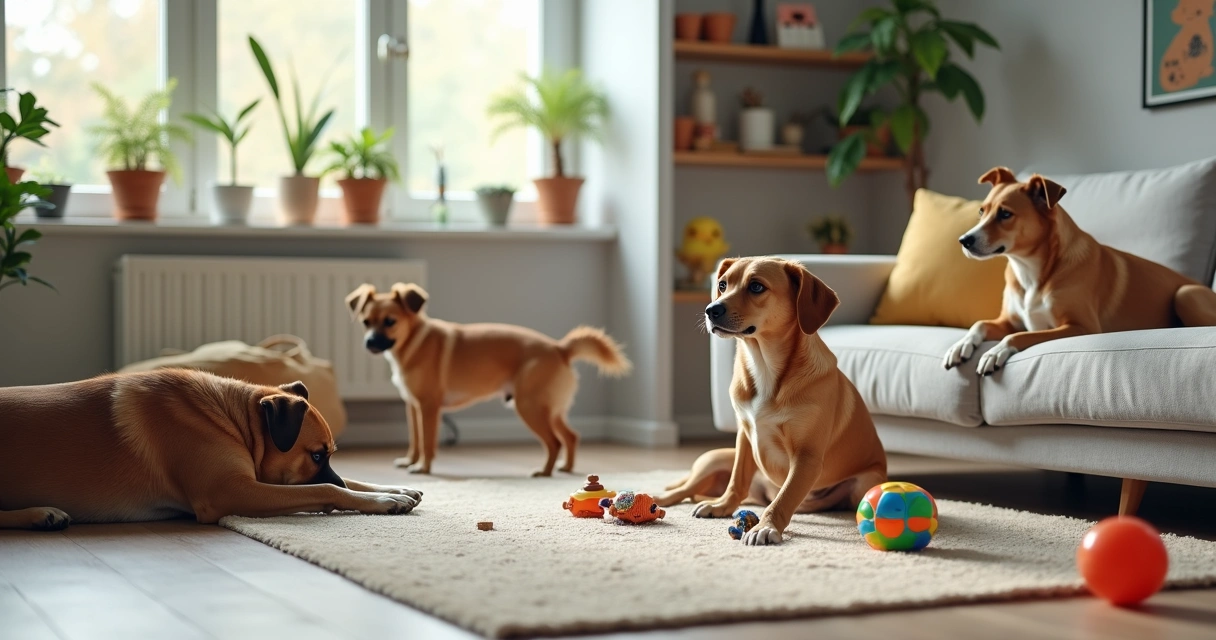
Living with more than one pet is rewarding, but it also has its unique challenges. Many people think that dogs always keep each other entertained, but this is not always true. I have often seen, in my experience, dogs that become bored even in the company of other pets. Boredom in dogs can be subtle at first, but over time, it can lead to behavior problems that affect your entire home. Let me show you how to recognize boredom, why it happens, and how you can manage it for happier pets in your multi-pet household.
Why do dogs get bored, even with other pets?
I used to think that bringing home an extra dog or adding a cat to the mix would make sure nobody was ever bored again. But I learned that dogs, just like us, crave mental stimulation, new experiences, and social connection with their humans. Sometimes a second pet can help, but it does not guarantee your dog's mind stays busy. Especially in a place with several pets, one animal's personality or age can leave others feeling sidelined.
As described by The Environmental Literacy Council, boredom in dogs is more common than many realize, and can lead to chewing, scratching, digging, or even irritability and aggression. Dogs need a variety of stimulation—not just the company of other animals, but regular play, training, and purpose-driven activities (Environmental Literacy Council).
How can I tell if one of my dogs is bored?
Based on my research and experience, boredom can appear in different ways, and sometimes it even looks like bad behavior. Look out for:
- Chewing furniture, shoes, or other off-limits items
- Frequent barking or whining without any clear reason
- Digging in the yard or in furniture cushions
- Pacing or restlessness, especially during the day
- Trying to escape the house or yard
- Clinginess, jumping up on you for attention every time you enter the room
- Unusual bouts of sleep or “laziness”—sometimes dogs shut down when bored
- Trouble settling even when the environment is calm or during quiet times
It is not always one thing—I have seen some dogs who alternate between hyperactivity and seeming exhaustion. Owners often tell me that their pets only act out when the owners are distracted or busy. If you are noticing these or similar signs, boredom might be the cause.
Dog boredom often hides in plain sight.
Sometimes, one animal in a group can dominate toys or play, leaving others on the sidelines. That is why regular observation is so important, especially if you have more than one pet and different personality types in the house.
Unique challenges for multi-pet homes
Managing boredom with many pets is different from having a single dog. I often find:
- Shy or older dogs get ignored in group play
- Some pets don’t enjoy the same types of activities
- Competition for attention or toys leads to frustration
- Training one dog can excite or confuse the others
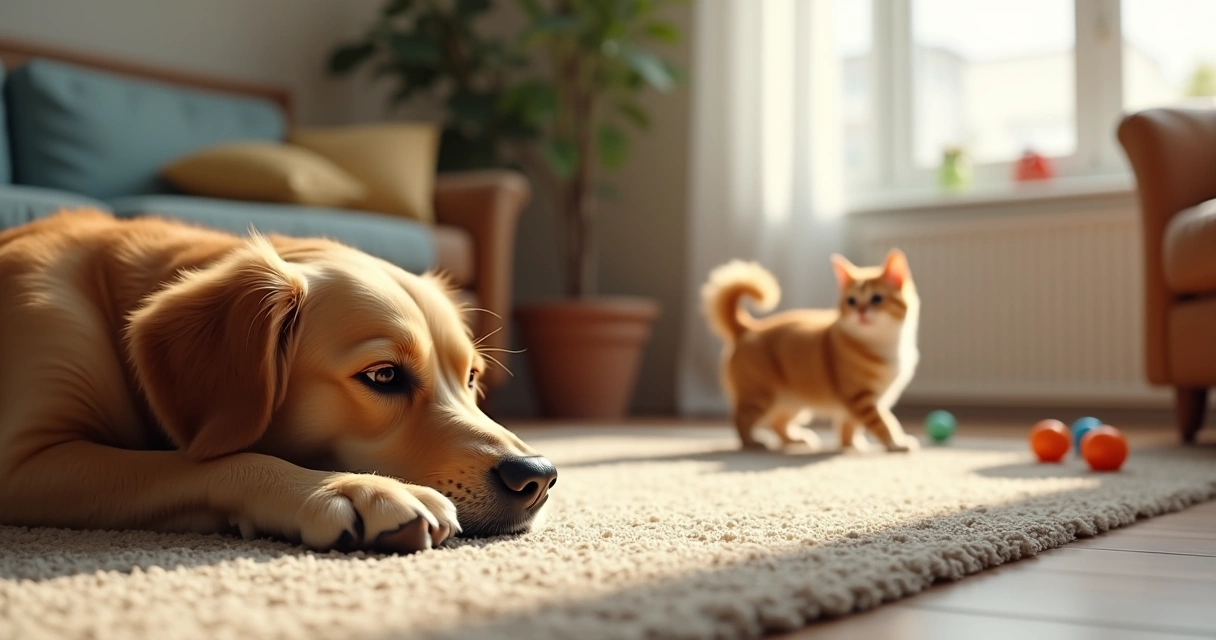
I remember a time when my two young dogs would play nonstop, but my senior dog always retreated to a corner. It is easy to assume that just because no one is fighting, everyone must be content. But in truth, dogs (and cats too) need a careful balance of group interaction and activities tailored to their needs.
You need to watch not just what your dogs do, but also who gets included and who gets left out.
Managing and reducing dog boredom
When I’m helping people at Dogtown in Gloucester, MA, we look for ways to provide the right amount of challenge and engagement. Here are some of the most effective techniques I’ve seen:
Rotate toys and games
Leaving all toys out at once often leads to pets losing interest. Try keeping a toy box and rotating toys every few days, introducing them as a “new” experience. Sometimes, just hiding a favorite toy and bringing it out later can make a big difference.
Social play time and individualized activities
Group play is wonderful but make sure each dog gets time alone with you, doing activities they love. Some dogs need rough-and-tumble play while others love scent games or puzzles. This is exactly why I recommend dog daycare for some families—a mix of group and one-on-one engagement in a supervised setting.
Short training sessions throughout the day
Many dogs absolutely adore short, focused learning time. Whether you are working on simple commands or advanced tricks, positive reinforcement keeps minds sharp and builds confidence. I’ve seen a major difference with even a two-minute session using techniques like personalized obedience training at Dogtown.
Safe space and rest periods
Even social dogs sometimes need a break from each other. Make sure each pet has a place to relax without being disturbed. For some, this is a quiet room, for others, a comfy crate or bed in a less busy area.
Include walks and outdoor adventures
Changing the environment boosts mental health. Daily walks or even just a stroll in the backyard—sniffing new smells and seeing new things—improves mood. If you’re pressed for time, even 10 minutes exploring a new side street can make a difference.
Use food puzzles and scent games
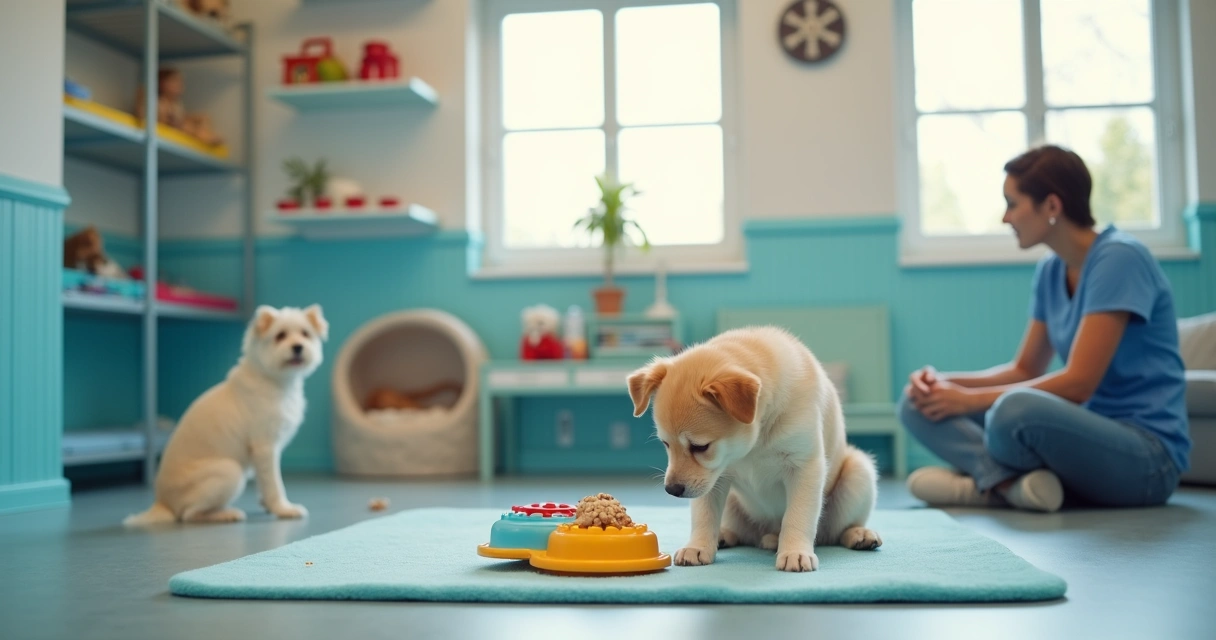
These are some of my favorites. Instead of serving meals in bowls, try puzzle feeders or scatter food for a “find it” game. Dogs love working for food, and it adds a mental challenge to their daily routine. At Dogtown, we routinely use food puzzles during day camp hours to keep things fresh, and the results are noticeable.
When and how to ask for help
If you see destructive behaviors or signs of stress, a professional assessment can help identify the source. At Dogtown, all pets receive a free pre-enrollment evaluation to ensure we understand their needs before suggesting solutions, whether it’s training, extra play time, or a new environment at our boarding service.
You might also consider grooming sessions as part of your pet’s routine. Many dogs enjoy the attention and positive physical interaction, which breaks up boredom and strengthens your bond at the same time.
Final thoughts: happier pets make for a happier home
I truly believe that understanding and managing boredom is one of the kindest things you can do for your pets, especially in a multi-pet household. Boredom doesn’t have to be a difficult problem. With regular attention, tailored activities, and support from a trusted partner like Dogtown, your pets can lead rich and joyful lives.
A few minutes of focused play or training can turn a whole day around for your pet.
If you’re looking for expert help or want your pets assessed for personalized solutions, I invite you to learn more about Dogtown’s unique approach to training, daycare, and quality animal care. Take the next step toward your pets’ best life—reach out for a free assessment and see what a difference dedicated support can make.
Frequently asked questions
What are signs of dog boredom?
Signs of dog boredom include destructive chewing, excessive barking or whining, digging, pacing, restlessness, and constant seeking of attention. You may also notice your dog being unusually irritable, trying to escape, or seeming “lazy” with much more sleep than usual. These behaviors are highlighted by research from the Environmental Literacy Council.
How to prevent boredom in dogs?
The best ways to prevent boredom are to provide varied activities, such as daily walks, play sessions, short training routines, and interactive toys. Rotating toys and changing routine activities keep your dog's mind engaged. Sometimes, enrolling your pet in a supervised daycare or structured training program helps meet these needs.
Can toys help bored dogs?
Yes, toys—especially puzzle feeders, chew toys, and treat-dispensing games—are very effective at stimulating dogs mentally. Rotating toys and introducing new ones regularly keeps your dog interested. Engaging with toys alongside your dog, instead of leaving them to play alone, is even more helpful.
How to manage multiple bored pets?
To manage multiple bored pets, watch for differences in play preferences, give each pet individual attention, and provide variety in toys and activities. It’s helpful to set up both group play and solo activities tailored to each pet’s age and personality. Professional guidance, like that offered at Dogtown, can make management easier in complex households.
What activities reduce dog boredom?
Activities like new walking routes, scent games, training, food puzzles, supervised playgroups, and even grooming sessions can all help reduce dog boredom. Changing what you do each day keeps your dog’s mind active and satisfied.