Every summer, as a longtime pet owner and professional in the animal care field, I see the same concern echoed by clients and friends: How can I be sure my dog or cat is safe from the heat at daycare? The question carries weight, especially as temperatures climb and pets spend time away from home, in environments bustling with play, activity, and excitement.
At Dogtown in Gloucester, MA, a lot of thought goes into making sure every pet is kept safe, cool, and happy. Yet, no matter where your pet spends the day, being able to spot the first hints of heat stress—and knowing how to prevent it—is something I think every owner should understand.
Why pets are vulnerable to heat stress at daycare
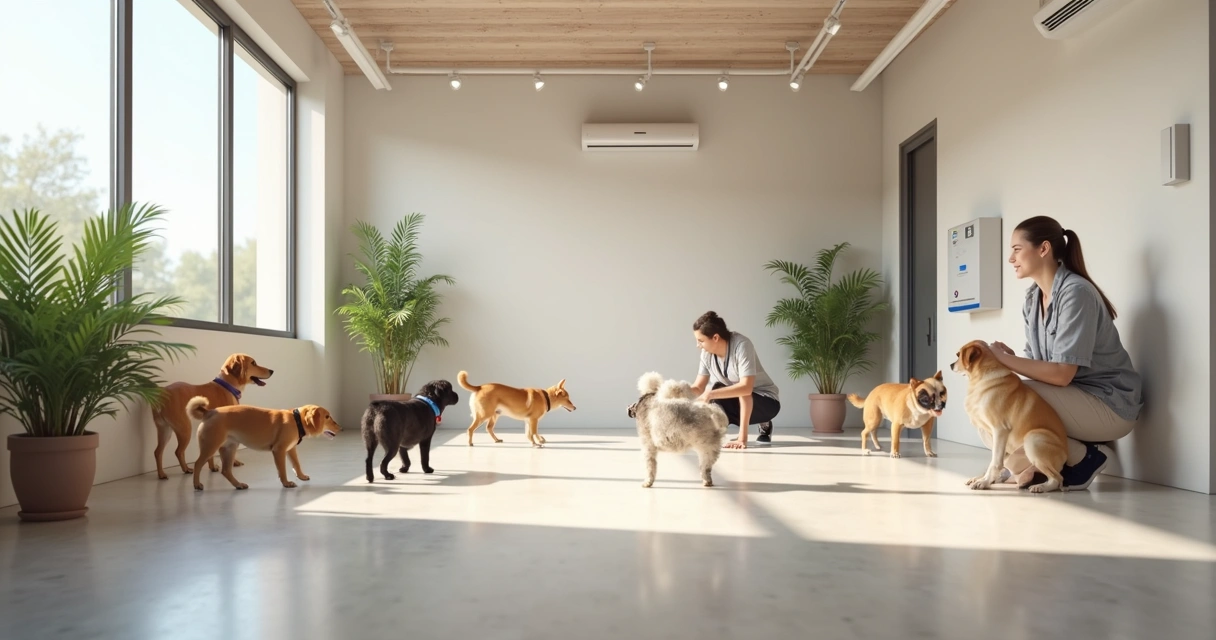
When I walk into a lively daycare space, especially during peak summer hours, I witness dogs and cats brimming with energy, running, chasing, even napping close together. Those scenes always remind me: pets can't handle heat like we do. Their options for cooling off are limited compared to ours.
Pets can't open the fridge or turn on the AC when they feel too hot.
In environments like daycare, where pets get plenty of social and physical stimulation, the risk of overheating rises. Here’s why:
- Limited cooling ability: Dogs and cats mostly cool themselves by panting and, to a lesser degree, sweating through their paws. On hot, humid days, these methods quickly lose their effectiveness.
- Group activity: Play groups can excite pets into a frenzy, making them forget to rest or drink water.
- Breed and health factors: Some pets (like flat-faced or thicker-coated breeds) are naturally at higher risk. Older pets and those with health conditions also need extra care.
- Indoor and outdoor spaces: Facilities may have shaded yards and air-conditioning, but even short times outside or in sun-facing rooms amplify danger.
How to spot early signs of heat stress in pets
In my own experience, the earlier you notice stress, the better the outcome for the animal. Overheating doesn't always begin dramatically. Instead, it often starts with subtle changes that escalate if missed.
- Excessive panting: Panting is normal during activity, but if a dog or cat is panting harder or longer than usual for the situation, I see that as a warning sign.
- Lethargy or weakness: A pet who suddenly wants to lie down, or lags behind its group, is worth a closer look.
- Drooling or thick saliva: Thick, sticky saliva or heavy drool can signal overheating.
- Trouble walking or disorientation: Uncoordinated movements, swaying, or confusion always make me pause and check for other distress signals.
- Pale or bright red gums: Take a quick look at gum color—odd shades can indicate circulation issues related to heat.
- Vomiting or diarrhea: Gastrointestinal symptoms may develop quickly if stress isn't addressed early.
When I see even a few of these symptoms, I act fast—waiting can put the pet at real risk.
Best ways to prevent heat stress at daycare
Prevention, to me, is a game of small, thoughtful steps layered on top of each other. An experienced facility, like Dogtown, knows that structure, supervision, and preparation make a big difference—but even pet parents have a role.
- Structured play schedules: At Dogtown, we break up playtimes, rotate pets in and out of cool indoor spaces, and always plan rest periods.
- Constant access to water: Fresh, cool water is available all day. Staff are trained to encourage pets to drink and watch for those who aren’t hydrating enough.
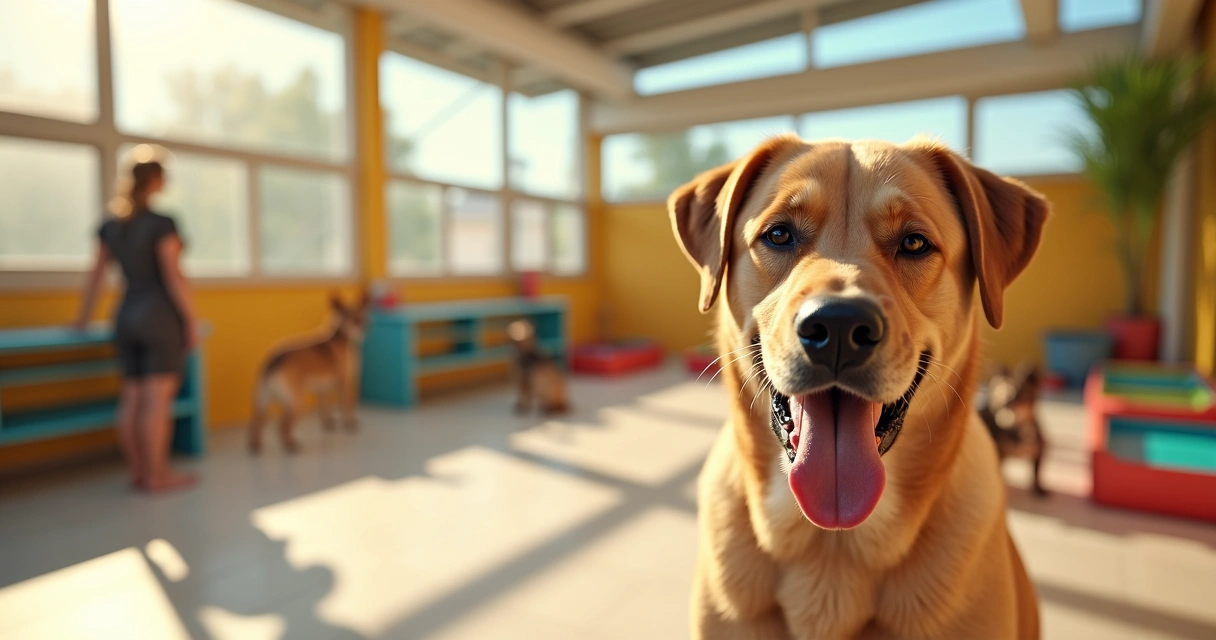
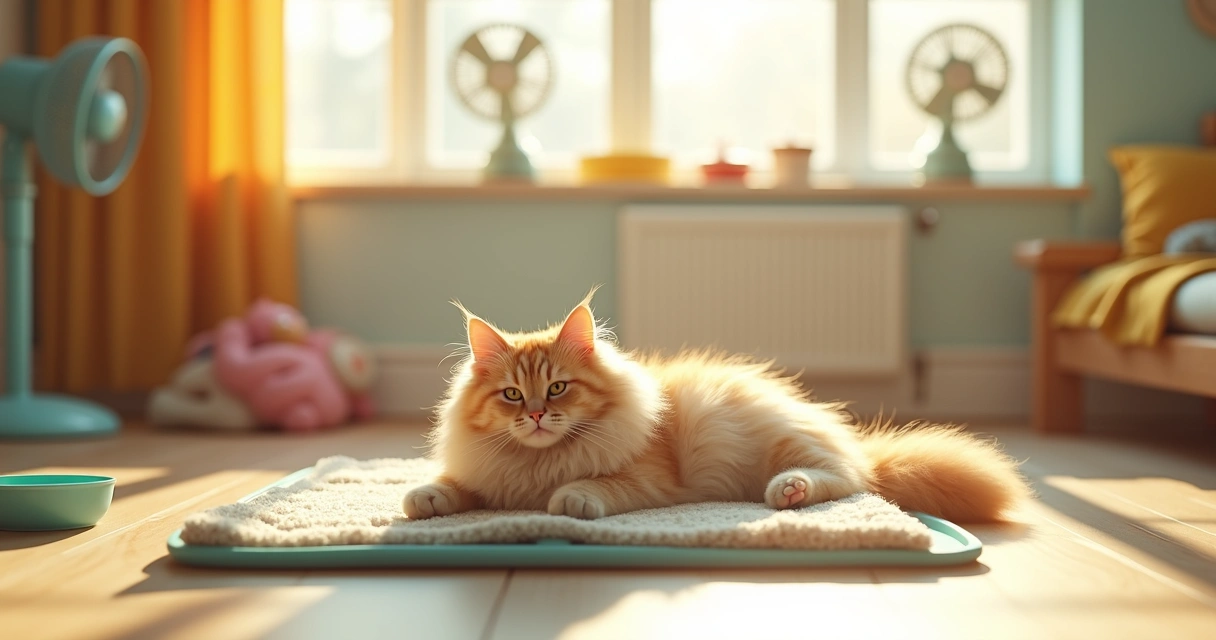
- Climate control inside: Reliable air-conditioning and shady spots outside give dogs and cats a chance to cool down naturally—or through cooling mats and breezy fans.
- Close group supervision: Staff keep a close watch, especially during energetic play or when certain pets are at higher risk. The focus stays sharp, always.
- Personalized care for each pet: At day camp or during dog daycare, we account for breed, age, size, and temperament, grouping dogs and cats appropriately to reduce stress and overexertion.
Prevention is about small steps that protect our pets every day.
What pet owners can do to help prevent heat stress
I often tell clients: care starts the moment you walk in the door at home. Small things you do before and after daycare can make a world of difference to your furry friend.
- Make sure your pet arrives well-hydrated and not overheated. If the car is already warm, run the AC for a few minutes first.
- Leave pets at home if they are recovering from illness or seem unusually tired—even the best daycare can’t override a pet’s health needs.
- For pets with special needs or medications, talk directly with staff before drop-off. Share anything relevant that could help keep them safe.
- Use proper grooming to keep coats manageable. At Dogtown, our grooming service includes coat thinning, nail trims, and moisturizing treatments. Well-groomed pets have a better time regulating their temperature.
- Ask about climate management and rest periods. If you're not sure about the heat plan at your daycare, bring up your concerns—an attentive team will respond and reassure you.
Staff training and facility features that matter
Not every daycare gives the same attention to climate safety. In my view, a daycare that keeps pets safe from the heat will always:
- Conduct pre-enrollment assessments to spot high-risk animals or those with special needs, as Dogtown day camp does.
- Have reliable climate control and spaces for pets to spread out—not all jammed together around a single fan or water bowl.
- Train staff to watch for early heat stress, and equip them with thermometers, shade structures, and cooling towels.
- Provide feedback to owners daily, so you know if your pet showed unusual signs or needed extra water or rest during the day.
When to seek medical help right away
If you notice collapse, seizures, vomiting, or rapid breathing, seek veterinary help immediately—even if the signs seem to stop or the pet perks up.
Heat stress can spiral fast. Cooling the pet with lukewarm—not ice-cold—water and moving to a shaded spot are good first steps, but don’t delay professional care.
Why specialized training and supervision make a difference
At Dogtown, our personalized training programs mean staff can pick up on sudden behavior changes. For many pets, learning to follow basic commands like "come" or "rest" even in an excited group can sometimes be lifesaving.
Trained staff recognize subtle shifts and support ongoing wellness, both inside and outside of daily daycare hours. Every day, I see the results—pets who come home happy, tired, but never overheated or stressed by the summer heat.
What about pets staying overnight?
Even when pets are boarded for a night or more, I always check that climate safety doesn’t take a break. At facilities like Dogtown’s boarding service, supervision and cooling systems run around the clock, offering peace of mind so your pet stays comfy no matter the weather.
Conclusion: Make heat stress prevention a habit
I believe the best care for pets starts with prevention, teamwork, and attention—to details, to weather changes, and to every dog's or cat's individual needs. In my years with Dogtown, I've seen how happy, healthy animals come from smart planning. As a pet parent, never hesitate to ask about how your daycare manages the heat. Your vigilance is part of their safety net, too.
Ready to see what truly thoughtful care looks like? Schedule a pre-enrollment assessment or simply contact Dogtown to learn more about how our services keep pets happy, safe, and thriving in every season.
Frequently asked questions
What is heat stress in pets?
Heat stress in pets is when an animal’s body cannot cool itself enough to keep a safe body temperature, leading to symptoms like excessive panting, drooling, and even collapse. It can progress to dangerous heatstroke if not addressed, especially in active environments like daycare.
How to spot heat stress signs?
Signs to watch for include excessive panting, drooling, lethargy, weakness, bright red or pale gums, vomiting, and trouble walking. If a pet acts different than usual during or after daycare, check for these symptoms and seek help if needed.
How can daycare prevent heat stress?
Good daycares manage pet activity, provide constant access to water, use air-conditioned or shaded spaces, and monitor each pet closely. Facilities like Dogtown use personalized care, grouping, and trained staff to keep pets safe and cool.
What to do if pet overheats?
Move the pet to a cool, shaded area, offer small amounts of water, and use lukewarm (not cold) water to lower body temperature. If a pet shows collapse, vomiting, or confusion, seek veterinary attention immediately.
Which pets are at higher risk?
Pets at higher risk include those with thick coats, flat faces, very young or older animals, overweight pets, and those with ongoing medical conditions. Brachycephalic breeds and pets unused to daycare activity may need extra protection from the heat.