If you ever paused to watch a dog learn something new, you’ve probably felt that mix of pride and impatience. I know I have. There’s joy in seeing the “lightbulb” moment, when their eyes brighten as they connect action and reward. Over two decades working with dogs (and their people), I’ve noticed one tool pop up, again and again: the clicker. Simple, affordable, downright powerful.
But I also see a lot of confusion. What exactly should you do with that small plastic thing? Beyond pressing and treating, is there a science? Turns out, there is. And at Dogtown in Gloucester, MA, we often use clicker training in our personalized dog training programs. I want to show you five real ways this tool speeds up learning—and a few honest cautions along the way, since even science suggests results may vary. Let’s start with my own first surprise: the clicker is not just about tricks. It’s about making learning clearer, faster, and sometimes even calmer for almost any dog.
Understanding the basics before you start
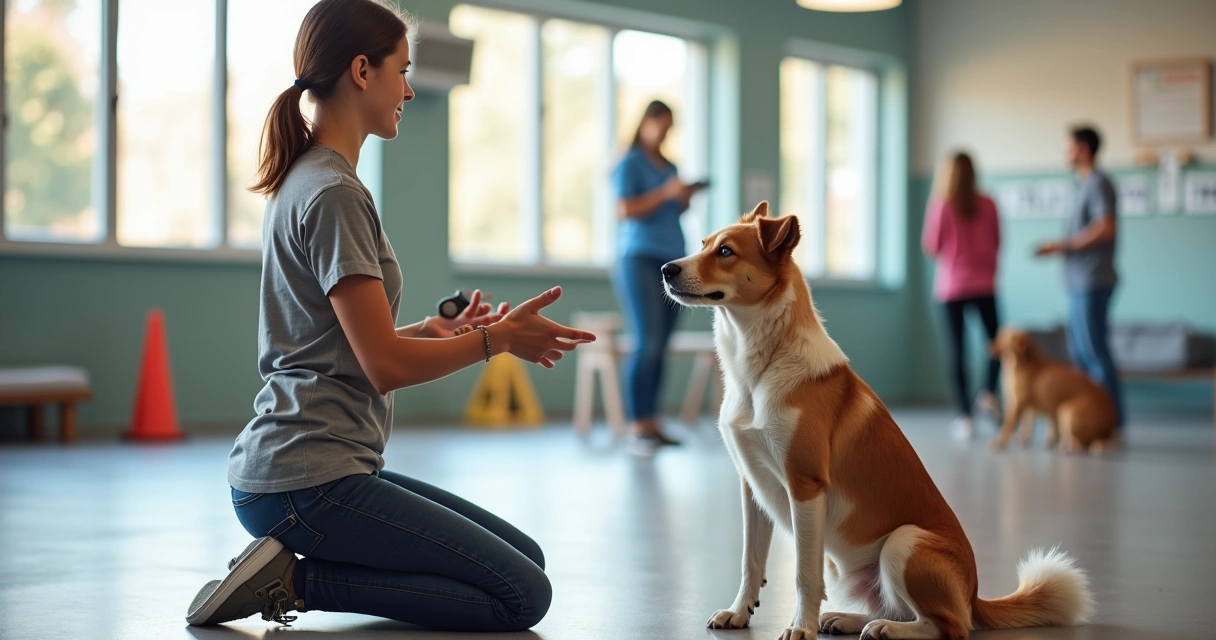
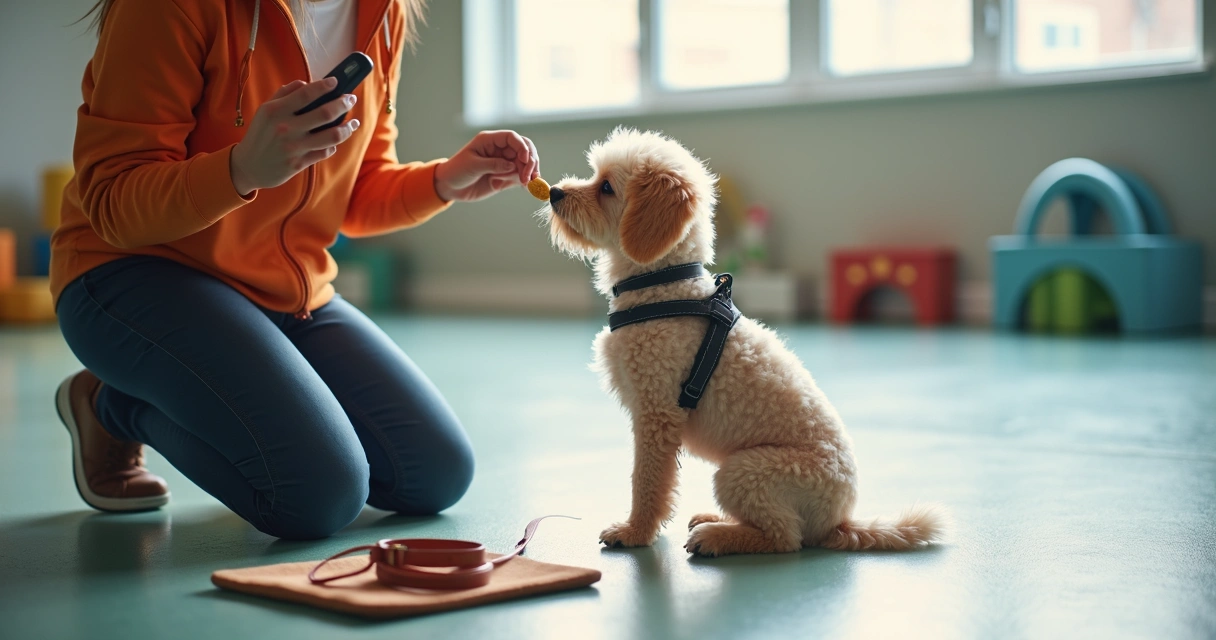
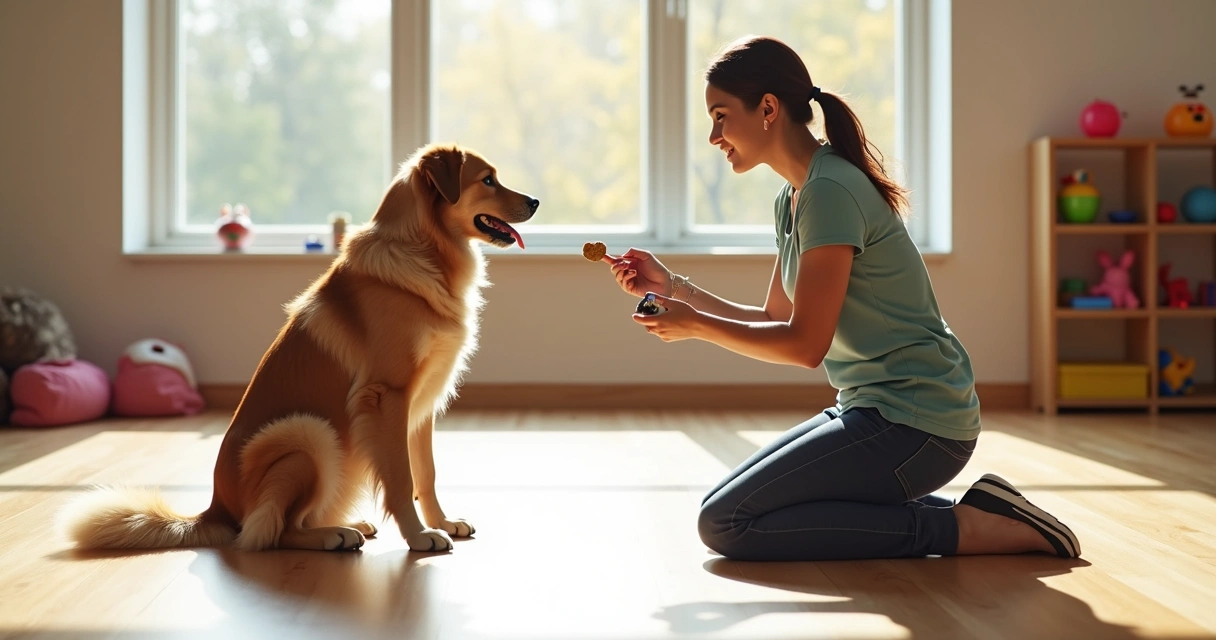
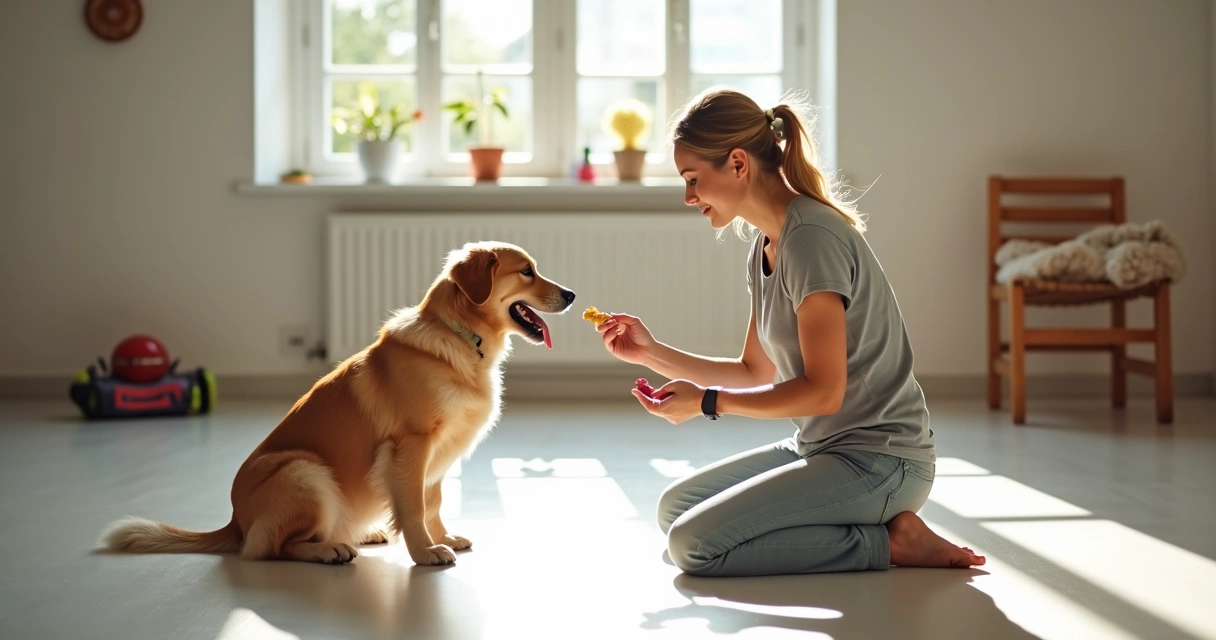
Clicker training is based on a simple principle: marking the exact moment your dog does what you want with a unique sound. The click tells your dog, “Yes, that’s it!”—and a treat, toy, or praise always follows. Over time, the click becomes almost as rewarding as the treat itself.
According to a systematic review and meta-analysis of 34 studies, conditioned reinforcement like clicker training can be effective, but context matters—dog’s personality, behavior being taught, and even your energy change the results. In other words, sometimes your results may surprise you, and that’s perfectly fine.
Five ways to use clicker training for faster dog learning
1. Teach basic commands with clean timing
My earliest success stories with clicker training always start here: sit, down, stay, come. Precision is your friend. Using the clicker lets you “catch” the split second your dog sits, drops into a down, or makes eye contact, especially for bouncy young pups. If you’ve ever fumbled the timing with just a verbal “good!” you know what I mean. The click gives instant, unemotional feedback—even if you’re tired or distracted.
- Ask your dog for a command (“Sit!”), wait, then click the moment their rear touches the floor. Treat follows.
- Repeat at least five times, aiming for exact timing on each click.
- Slowly add distractions or new locations as they succeed, always marking the exact action you want.
This clean, consistent marking has been shown in studies to make acquisition of certain behaviors quicker for some dogs (findings indicate efficacy may depend on the specific behavior).
2. Shape complex behaviors in small steps
I think this is where clicker training feels like magic. Dogs, like us, can get lost if a task feels too big. Instead of trying to teach “go to your mat and stay for 3 minutes” in one leap, you can break it into tiny steps. Each time your dog glances at the mat, click. Next, they touch it, click. Step on, click. Lie down, click. You see progress in real time, and your dog rarely feels “wrong.”
- Decide on the goal behavior.
- Reward approximations—anything that gets closer to the goal.
- Gradually require more each time before clicking.
This applies beautifully in places like dog daycare, where new skills (waiting at gates, being polite at play) often benefit from this gradual, positive shaping. If you watch closely, dogs start offering new steps just to hear the click.
3. Speed up problem-solving by removing guessing
Ever had a dog seem confused about what you want? Or worse, they guess over and over, getting frustrated? The click speaks a language that’s black-and-white to dogs. It eliminates guesswork. There’s no drawn out “good boy… I think?” Just “yes,” then reward. This clear feedback reduces anxiety, especially when working on new or challenging behaviors. I’ve seen even timid dogs relax into the process once the clicker comes out.
Some studies, like this undergraduate thesis, suggest clickers and verbal cues might be similar for simple tasks, but I find the clicker wins out when communication breaks down or when working with dogs who are extra sensitive to tone of voice.
4. Reinforce calmness and impulse control in busy places
Mark the quiet, not just the wild.
This idea changed my own “dog life.” Instead of clicking only for exciting tricks, use your clicker to reward calm behavior— lying on a mat at the vet, pausing at an open door, or relaxing during play at day camp. Start with easy situations. Maybe just sitting patiently as you grab the leash, or lying down while kids run by in a park.
- Notice moments your dog is settled—even briefly.
- Click and reward those moments before excitement creeps in.
In my experience, dogs who get clicked for calm start offering that calm more often, without needing to be told.
5. Build confidence and trust for nervous or adopted dogs
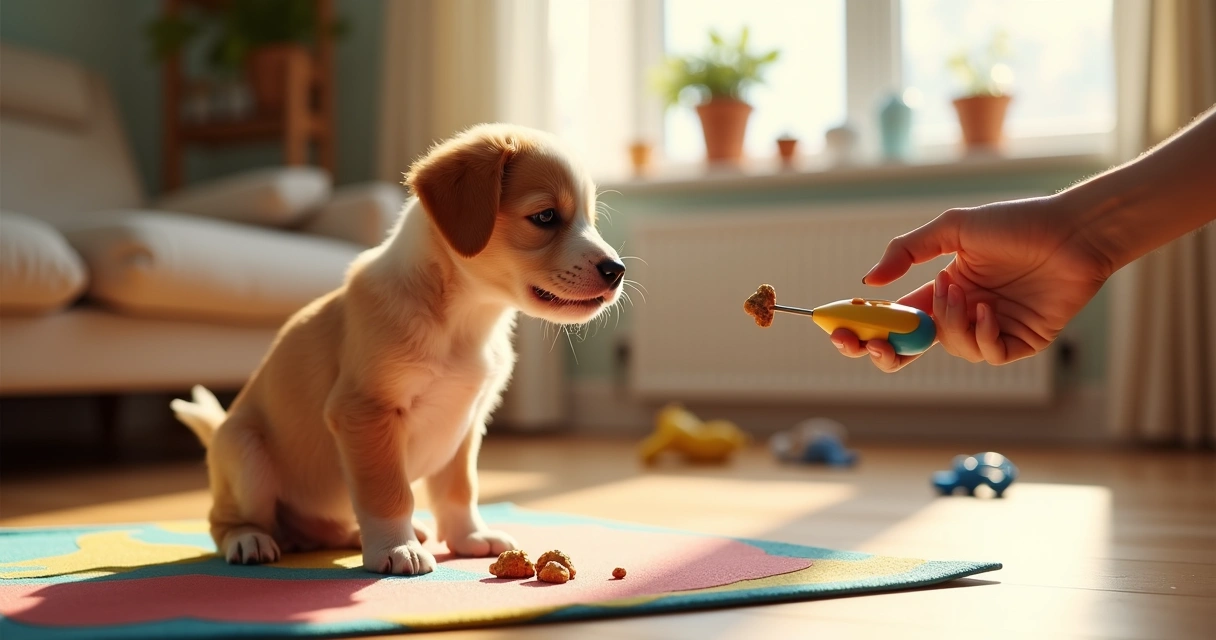
Clicker training isn’t just about “obedience,” in my view—it’s a way to talk, reliably and kindly, to dogs who might not trust people yet. For adopted dogs, rescues, or shy pups, the clicker’s predictability is comforting. They learn fast: If I try, the click and treat are guaranteed. No guessing, no punishments. This can speed up their willingness to try new things, whether it’s letting someone brush them (and if you want special treatments, there’s a grooming team at Dogtown) or just coming when called.
The science on this is mixed—one study even found partial rewarding with the clicker led to slower learning and a more pessimistic mood compared to full rewards. My take is to always pair the click with a treat for best results, at least until your dog is wildly confident.
Personal tips for keeping things fun and honest
Over the years, a few things catch people off guard with clicker training. Here’s what I always tell new clients (and myself):
- The clicker is not magic. Some dogs need more time, more steps, or a change of environment.
- Consistency is bigger than perfection. Even if you mess up a click, stay positive.
- Dogs may “test” you. If you fade rewards too soon, they can lose interest. Keep it fun—a treat, a toy, a run outside afterward.
- Click once, then treat. Never multiple clicks for one behavior—one behavior, one click, one reward.
- If you need support or want a longer stay for deeper learning, services like boarding at Dogtown can reinforce what your dog learns at home.
Conclusion: Your next step with clicker training
After years of clicker work with hundreds of dogs at Dogtown and with my own pups, I still admire its power to speed learning—when it’s used thoughtfully, and with clear eyes about its limits. Not every method works for every dog in every situation, and there’s science showing results depend on what you’re teaching, the environment, and your own style. That’s part of the fun, actually. Dogs, like us, are individuals.
Clear sound, kind timing, joyful progress.
If you want extra support or need a safe environment to put new skills into practice, Dogtown offers everything from personalized training to overnight stays and structured play groups—always with qualified trainers who love clicker learning as much as you do. Schedule an assessment with Dogtown to start building that “aha!” moment with your own dog.
Frequently asked questions
What is clicker training for dogs?
Clicker training is a method where you use a small handheld clicker to mark the exact moment your dog does something desired, immediately followed by a reward like a treat. This clear communication helps your dog understand which specific action earns the reward.
How does clicker training speed learning?
Clicker training improves timing and consistency, making it easier for your dog to connect behavior with reward. Research, such as the review on conditioned reinforcement, suggests it can speed up learning in some contexts and for certain behaviors by making feedback more predictable and less emotional.
Is clicker training good for all dogs?
Most dogs can benefit from clicker training, but not all will respond in the same way. Some might be startled by the sound or need extra patience, while others catch on very quickly. Adjust your approach based on your dog’s personality, and always pair the click with something positive.
How often should I use the clicker?
Use the clicker whenever you’re actively teaching a new behavior or want to make a moment clear for your dog—like when they finally settle, come when called, or show calmness in a busy place. Once a behavior is learned and happening reliably, you can start fading the clicker and rely more on praise or other rewards.
Where to buy a dog training clicker?
Most pet supply stores carry clickers, as do many online retailers. If you’re working with Dogtown or seeking hands-on training, trainers may provide clickers as part of your first session so you can get started with guided practice right away.