
When I first considered enrolling my own dog in a training program, I had a head full of questions. After all, trusting someone with your pet's behavior and social development can feel daunting. Over the years, through experience and research, I discovered that asking the right questions before signing up makes a world of difference. If you’re thinking about training for your pet, whether dog or cat, these questions will help you make the best decision—especially at a facility committed to individualized care like Dogtown in Gloucester, MA.
Ask first, enroll second.
Why should I ask questions before enrolling in pet training?
I believe that the foundation of positive training outcomes lies in open communication. According to the U.S. Census Bureau, Americans spent over $5.8 billion on pet services by 2017—showing that more pet owners are seeking help. Yet, research from PubMed shows only 5% of dog owners consult professional trainers, even as 99% of dogs display at least one behavioral problem according to the National Library of Medicine. That gap tells me people have concerns and need more information. Thoughtful questions can clarify expectations, teaching styles, and program fit.
1. What is your training philosophy and preferred methods?
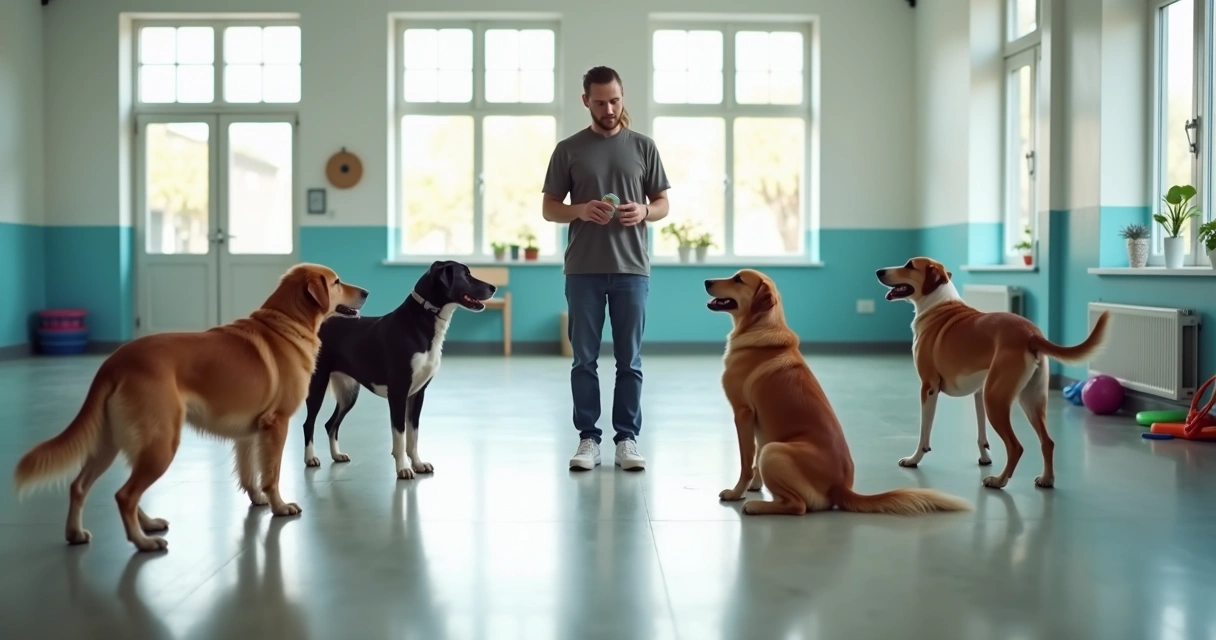
I always start here because the philosophy sets the tone for the entire program. Some trainers favor reward-based methods, while others may use different techniques. At Dogtown’s training programs, I learned they focus on positive reinforcement, prioritizing your pet’s comfort and confidence. Choosing a trainer whose philosophy matches your values creates trust and consistency for your pet.
If you're uncertain what a method entails, ask for examples or a demonstration with your trainer’s own dog or a session video. This puts abstract words into real practice.
2. What are your qualifications and experience?
I firmly believe that experience matters just as much as passion. Credentials, certifications, and background in animal behavior or psychology help reassure me that a trainer can handle various issues. Dogtown’s staff includes trainers with hands-on knowledge, ongoing education, and a commitment to best practices. Ask where the trainer studied, which associations they belong to, and years of direct work with pets like yours.
For dogs or cats with anxiety, aggression, or advanced learning needs, a deeper background can make a noticeable difference in results.
3. How do you handle challenging or unwanted behaviors?
This area is central for many of us. I wanted to hear directly from my trainer how they react when a dog barks, growls, jumps, or freezes up. Their response reveals much about their patience and their toolbox of techniques. At Dogtown, trainers use calm redirection, rewards for desired behaviors, and stepwise plans for fear, as described in studies on dog behavioral issues. If a trainer explains their process clearly, I feel much more at ease about how they’ll help my pet.
Ask for a practical example. If your pet lunges on the leash, what steps would they take?
4. How do you customize training for different pets?
No two animals are identical. In my experience, a one-size-fits-all approach rarely works. Dogtown’s team, for example, considers breed, age, energy level, and temperament, forming small groups to avoid overwhelming shy or reactive pets. I always ask: How would you adapt the training plan if my dog is anxious, playful, or stubborn?
Customizing isn’t just about skill level—it’s about making each session safe, enjoyable, and effective for every pet.
5. What should I expect in terms of communication and progress updates?
Clear communication from my trainer gives me both confidence and insight into my pet’s development. Dogtown provides daily feedback during their daycare activities, letting owners know about milestones and challenges. Ask how often you’ll receive updates: Will you get written notes, quick chats, or formal reports? Will trainers offer guidance for at-home reinforcement?
Consistent updates help ensure that training carries over from the classroom to the home, keeping everyone on the same path.
6. What is your approach to group versus private training?
Some pets do well in a bustling group, while others need the quiet focus of one-on-one time. When my dog was young, he thrived in group classes; later, we turned to private sessions for a few specific challenges. At Dogtown, you can pick from group, private, or combo packages. Ask which is best for your pet and if you can switch partway through based on progress.
Remember: flexibility can be key to lasting results.
7. What are the facility’s safety and enrichment standards?
I want my pet to feel secure and happy, so I check what protocols are in place. At the 10,000-square-foot Dogtown facility, staff supervise small, compatible playgroups and offer activities designed to reduce stress and boredom. Look for details on:
- Size and cleanliness of training areas
- Supervision ratios
- Emergency procedures
- Opportunities for mental and physical enrichment (like interactive toys, agility setups, or outdoor walks)
Facilities should have clear answers so you and your pet feel comfortable stepping through the door.

8. What is included in the enrollment, and what are the fees and policies?
To avoid confusion, I always clarify program length, services, and costs up front. Dogtown offers a range of packages and à la carte add-ons like grooming, boarding, or special walks. Ask what’s covered in your fee, extra options, and what happens if you miss sessions or need to reschedule. Don’t forget to request a tour or take advantage of free assessments, like those available through Dogtown. Transparency about pricing and what’s included helps build trust and prevents surprises later.
How to get started with your pet’s training journey
If you’re in the Gloucester, MA area, you can schedule an assessment or check out the programs at Dogtown to meet the trainers and discuss what’s best for your pet. From obedience basics to advanced skills, from boarding to spa days, their staff works alongside you and your pet for long-term results, as you’ll also find in their day camp activities.
The right trainer will listen, adapt, and care for your pet as much as you do. Remember, your questions help pave the way for a happier, better-behaved companion.
Conclusion
Every pet deserves the chance to thrive in a safe, encouraging environment—with the guidance of an experienced trainer and open, supportive owner. Asking these eight questions will put your mind at ease and help match your values to your trainer’s approach. At Dogtown, every assessment and session is built around understanding your unique pet, so you both can succeed. If you want a personalized, caring, and expert-led experience, reach out to Dogtown and give your pet the joyful training journey they deserve.
Frequently asked questions
What is a certified pet trainer?
A certified pet trainer is someone who has completed formal education and assessment in animal training and behavior. They often belong to organizations that require continuing education, ethical standards, and specific skill demonstrations. Some certifications focus on positive reinforcement, while others may cover broader approaches. At Dogtown, staff trainers hold recognized qualifications to ensure your pet receives trustworthy and effective guidance.
How much does pet training cost?
The cost of pet training varies based on program length, group versus private sessions, and included services. Group classes tend to be more affordable, while private training is often priced higher. Add-ons like grooming or boarding can increase the fee. Dogtown offers various packages to fit different budgets, so asking about the full fee structure and any discounts up front helps you plan effectively.
Is it worth it to hire a trainer?
In my experience, hiring a professional trainer is a good investment for pets with behavioral issues, socialization needs, or specific skills to master. While some owners choose to train on their own, professional guidance can save time, reduce frustration, and produce lasting results, especially for dogs or cats showing signs of aggression or anxiety, as seen in behavioral studies.
How long does pet training take?
Training duration depends on your pet’s age, temperament, prior experiences, and your goals. Some can master basic commands in a few weeks, while complex behaviors or issues may require months. Consistency at home and regular feedback from your trainer, like the daily updates provided at Dogtown, can accelerate progress and ensure improvements stick.
What are the best pet training methods?
Most experts, as well as trainers at Dogtown, recommend positive reinforcement—rewarding desired behaviors to motivate pets. Other modern methods focus on understanding a pet’s needs, breaking tasks into small steps, and fostering trust. Avoid harsh punishment or fear-based tactics. When in doubt, ask your trainer for a demonstration and explanations about their approach before enrollment.