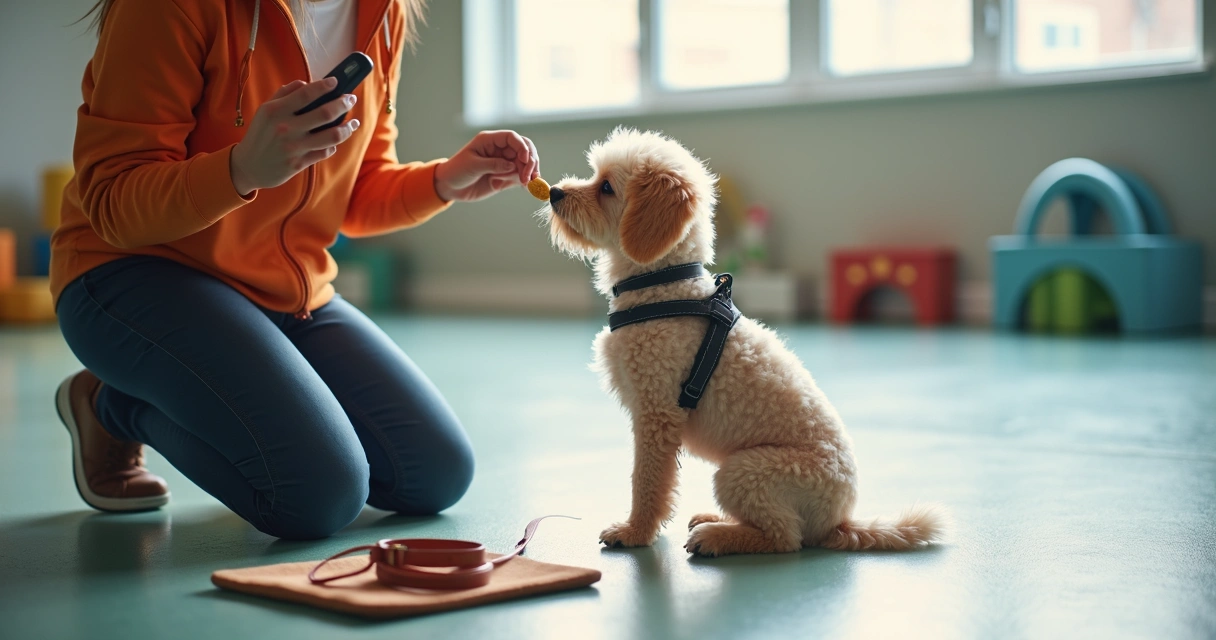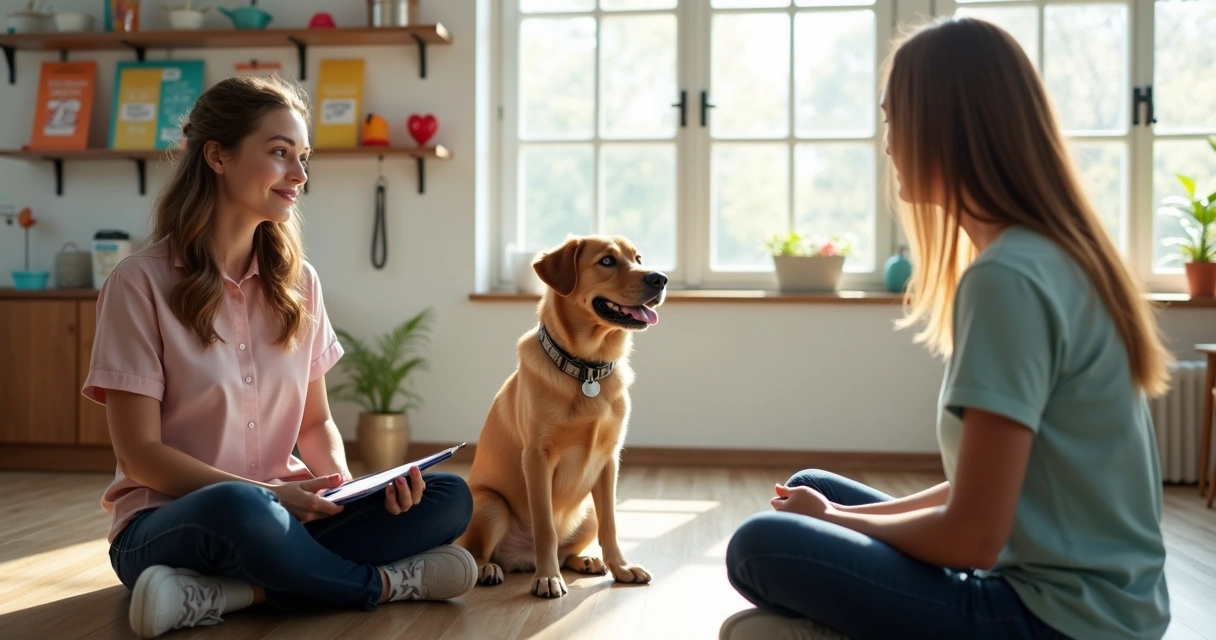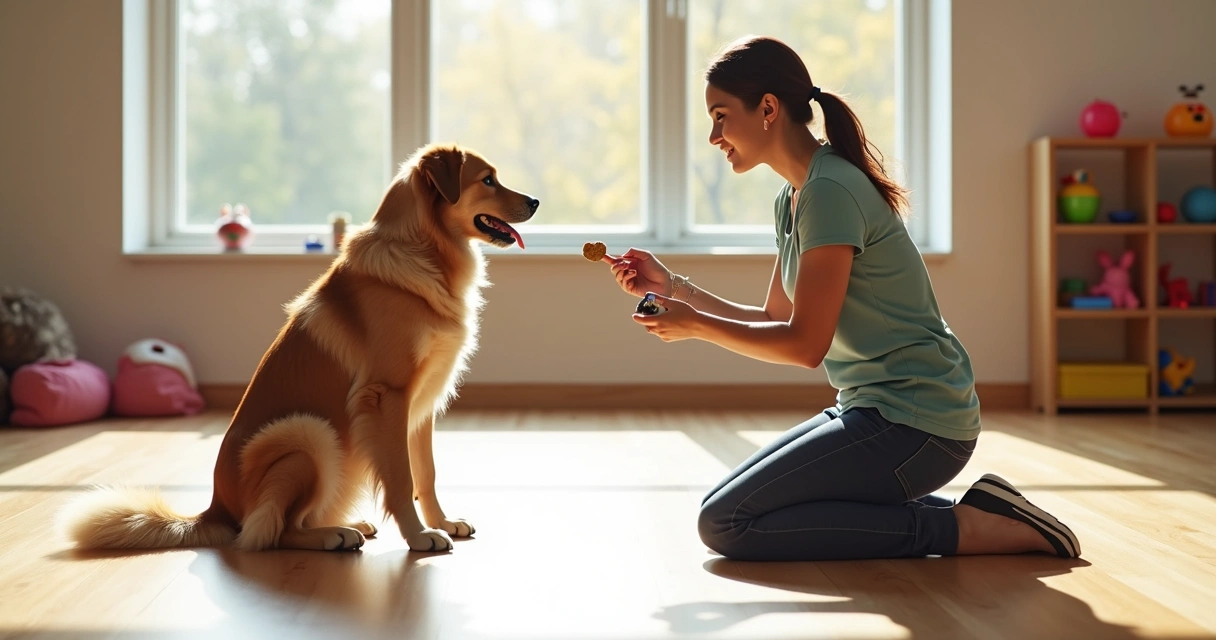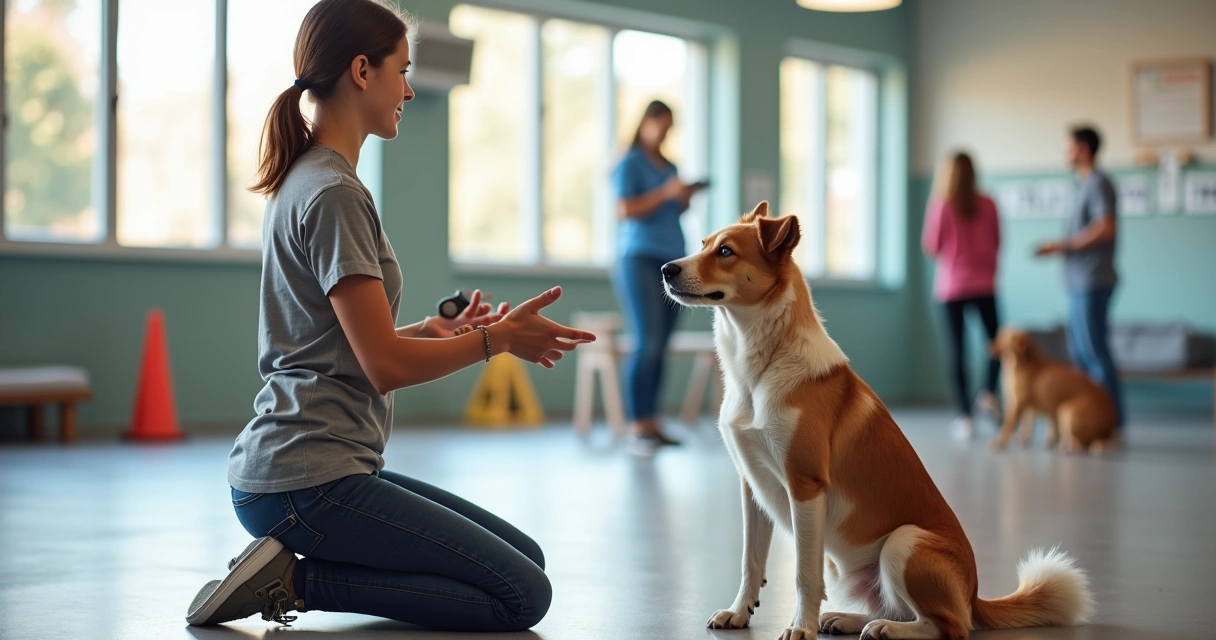
In my years of working with pet owners, I’ve learned that dogs, like people, keep growing and changing throughout their lives. The training they received as puppies may not hold up when they reach adulthood, or when life circumstances shift. Sometimes, the signs that your dog needs a training refresh aren’t obvious. Yet, according to a Texas A&M University report, over 99% of U.S. dogs display at least one potentially difficult behavior—over half show aggression, and more than 85% demonstrate separation anxiety or attachment concerns. It’s a reminder that behavioral changes are common, and training is never really finished.
Spotting the subtle hints that your dog would benefit from a professional training update can make life easier for everyone—dog and human alike. In this article, I’ll guide you through seven not-so-obvious signs your dog might be giving you in 2026.
1. New or increased avoidance behaviors
Have you noticed your dog quietly slipping away when certain people approach? Maybe they avoid the doorbell, or shrink from situations they once enjoyed. While obvious reactions like barking or growling are clear signals, more subtle avoidance often goes unnoticed.
If your dog suddenly starts leaving the room during family gatherings or new experiences, take note.
Behavioral science confirms that these are often early indicators of anxiety or discomfort. Avoidance can mean your dog’s confidence is fading, or new fears are forming, which a personalized training update can address. Spotting these quiet behaviors allows for gentle interventions before they become bigger issues.
2. Returning to old habits
Suppose your dog was house-trained for years, but now you find the occasional accident, or they’re chewing on things they haven’t touched in ages. When a dog begins to revert to behaviors you thought were behind you, it’s not mischief—it’s a sign that something isn’t quite right.
- They might be dealing with stress, boredom, or confusion because of a new home routine, a family addition, or even just a change in your own schedule.
- A training refresher not only restores confidence but can also address the root causes before bad habits become standard again.
3. Hesitation while walking or responding to cues
I see this sign often: dogs who once responded instantly to “Come!” or “Sit!” now dawdling, hesitating, or needing to be told more than once. The association between clear cues and fast responses fades over time or if practice falls off.
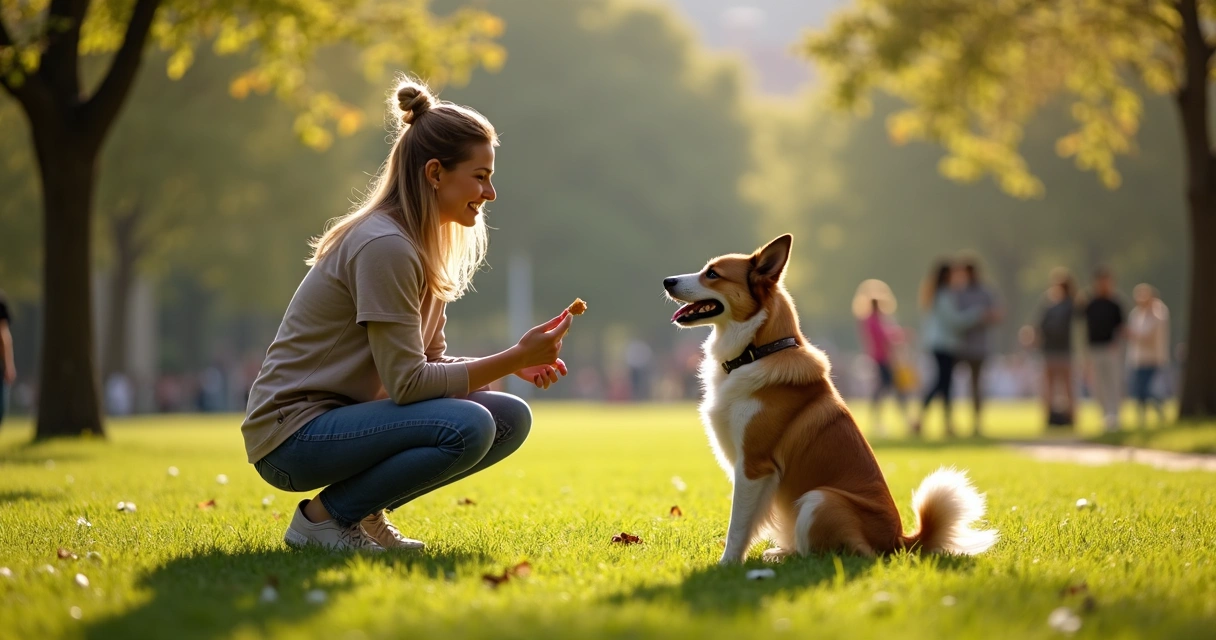
Recent research comparing training methods shows that positive reinforcement leads to stronger, more reliable recall—even years after initial training. If your dog is slow to follow known commands, a tune-up can quickly bring clarity back to communication.
4. Difficulty staying calm when home alone
If your dog used to relax calmly in your absence but now whines, scratches, or paces, the root cause could be separation stress creeping back in. Indicators like increased pacing before you leave, or greeting you with more enthusiasm than usual, are whispers that your dog is developing new anxieties.
A study by Texas A&M University revealed that 85.9% of American dogs display separation or attachment issues.
At Dogtown’s Day Camp, I’ve seen how personalized routines, guided activities, and gradual desensitization help dogs regain confidence and settle comfortably during alone time.
5. Picking up new unwanted behaviors
Sometimes life brings new temptations: your dog may start counter-surfing, pawing at doors, or barking at sights they used to ignore. Rather than assuming “they’re just acting out,” it’s wise to consider whether underlying needs have changed.
- Maybe your dog’s routine isn’t as mentally engaging as before.
- Perhaps growing older has changed their energy, or physical discomfort is creating irritability.
I’ve noticed that when new behaviors suddenly appear, a targeted training update—especially with expert guidance—can reset boundaries without conflict. Professional programs like those at Dogtown use positive methods that match your dog’s age, breed, and personality.
6. Interactions with other pets or people change
Does your dog seem more shy with other dogs? Or have mild scuffles started popping up at playdates? Sometimes, dogs who were always social start to signal unease, or they become too pushy in group settings.
That’s where supervision from trained staff, as offered in Dogtown’s dog daycare, can make a difference. Our staff closely watches for subtle cues in social play—ensuring size and temperament are matched for a safe, low-stress environment.
If your dog’s social skills seem to slip, or group play is no longer fun, a training assessment can help get things back on track. Group sessions, when managed professionally, give your dog a safe place to rebuild skills.
7. Grooming or handling becomes a struggle
This last sign is easy to miss. If your dog now flinches at nail trims, tenses up during brushing, or even growls at the sight of grooming tools, it isn’t just stubbornness. Physical sensitivity can build up with age, or due to a single negative experience.

Professional grooming services available at Dogtown can help dogs learn that handling is safe and kind. With small steps and rewards, even nervous pets become more relaxed over time.
Why training is an ongoing journey
Training is not a one-and-done event. According to research on early training, dogs who start learning young show fewer problem behaviors as adults, including lower aggression and reduced destructive habits. But life brings changes. Even well-trained dogs need regular “tune-ups” to stay confident and balanced as they navigate new challenges, spaces, or family dynamics.
I’ve seen families regain peace at home and renewed trust with their pets through a short investment in updated training or social group activity. At Dogtown’s boarding, we prioritize routines and positive handling to promote calm, happy pets during their stays.
How to get started with a training assessment
If you notice any of these seven signs, the next step is simple: book a free pre-enrollment assessment at Dogtown. We’ll help identify your pet’s needs and design a plan tailored to their personality. Whether you want to update obedience skills, tackle a new behavior, or provide safe group play, a professional evaluation is a helping hand for lasting results.
Consistent, rewards-based methods—as shown in studies favoring positive reinforcement—are key to lasting change. When in doubt, seek help from trainers who use science-based and gentle approaches. Dogtown’s staff includes experts ready to guide you every step of the way. If you want to combine enrichment, exercise, and socialization for your pet, our day camp offerings are the perfect solution.
Conclusion: Let your dog grow with you
Your dog is always communicating. Sometimes, the smallest shift in mood or behavior is their way of asking for a little extra support. By tuning in, you create a lifelong partnership—one where you both thrive. If you’re ready to give your dog a fresh start or strengthen your bond in 2026, Dogtown’s training programs are here to help you every step of the way. Book your assessment and see what a difference a personalized plan can make in your everyday life.
Frequently asked questions
What are subtle signs my dog needs training?
Subtle signs can include your dog avoiding certain people or situations, hesitating to obey known commands, or reverting to old behaviors like chewing or having accidents indoors. You might also notice new anxieties when left alone, changes in interactions with other pets, or discomfort with grooming. These signals often show up before more obvious behavioral problems.
How often should I update dog training?
Ideally, dog training should be updated at every new life stage—puppyhood, adolescence, adulthood, and senior years—or whenever you notice behavior changes. Even a yearly check-in with a qualified trainer helps maintain or refresh skills. New routines or changes at home are also good times for an update.
Is it worth it to retrain my dog?
Absolutely. Studies show ongoing training lowers incidents of problematic behaviors, improves your dog's confidence, and makes daily routines smoother for both of you. Even well-behaved dogs benefit from periodic reinforcement, which keeps skills sharp and strengthens your relationship.
What is the best way to retrain dogs?
The most effective way is through positive reinforcement and personalized, professional guidance tailored to your dog’s age and personality. Group classes or one-on-one sessions, like those available through Dogtown, help address specific concerns while keeping learning fun and stress-free.
Where to find good dog trainers near me?
A great place to begin is with a facility like Dogtown, where experienced trainers offer free assessments and customized programs. Look for trainers who use science-based, compassionate techniques. Dogtown’s training services will help you discover what works for your pet and build lasting, positive habits.