If you own a small breed dog, you've probably noticed they're full of energy, personality, and unique quirks. Training these smaller companions brings a special set of questions, especially regarding which training tools are actually safe for their size. After years shaping positive pet experiences and seeing many families through the Dogtown doors in Gloucester, I’ve learned that the right training tool isn't one-size-fits-all. But safety always comes first. Let me guide you through what I’ve observed, learned, and trust for the littler dogs who walk among us.
Why safety matters so much for small breeds
A Chihuahua’s neck is fragile. The legs of a Shih Tzu or a Papillon can be slim as your finger. I’ve seen, up close, how the wrong collar or tool can leave a big impact on these small frames. A dramatic tug from a leash or too tight harness can cause injury easily overlooked due to all that fur.
Small dogs often show behaviors like anxiety, house soiling, or even aggression when stressed by the wrong training approach or uncomfortable gear. A study reviewing behavioral issues in dogs reported that 99% show at least one problem—most commonly house soiling, anxiety, or fear. For small breeds, this is even more pronounced due to their sensitive natures (see behavioral issues in dogs).
Safe tools lead to stress-free learning and happier bonds.
How I evaluate training tools for small dogs
At Dogtown, our training philosophy is rooted in positive reinforcement and individualized care. I always look for equipment that guards against physical harm, minimizes emotional stress, and supports confidence. Here’s what I consider essential when choosing training tools for your small breed:
- Size and fit tailored to your dog
- Materials that prevent skin irritation
- No sharp edges or points
- Minimal risk of choking or neck injury
- Support for positive, rewards-based methods
In line with the preferences of trainers, I avoid aversive, punishment-based tools. Not only are they risky for tiny dogs, but evidence shows they’re rarely recommended by professionals who prioritize welfare.
Safe training tool choices for small breed dogs
Here are the tools I reach for—and trust—when working with smaller dogs.
1. Harnesses built for safety and comfort
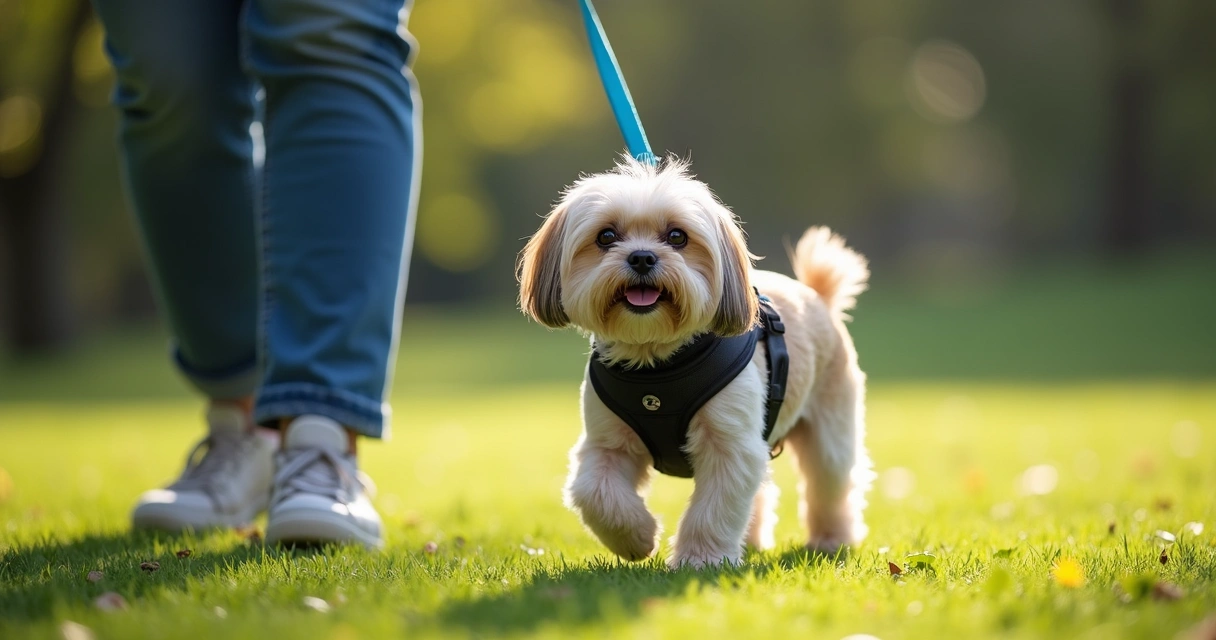
Full-body or front-clip harnesses are my top pick for little breeds. They distribute pressure across the chest and shoulders, not the fragile neck. This helps if your dog pulls or gets excited on leash. Look for a harness that:
- Sits snugly without restrictiveness
- Has padded straps to avoid chafing
- Offers an adjustable fit to adapt as your dog grows
Harnesses reduce neck injury risk and often make training calmer for easily startled or reactive little dogs.
2. Lightweight flat collars
Flat collars have a place for ID tags and casual walks. For small breeds, the collar should not be used for leash corrections or to manage pulling. I prefer:
- Soft, flexible materials (like nylon or padded leather)
- A fit that allows two fingers between neck and collar
- Quick-release buckles for safe removal
Never use choke chains or prong collars on small breeds.
3. Leashes that suit small hands and small dogs
A lightweight 4-to-6 foot leash offers just the right amount of freedom and control for training. For small breeds, bulky retractable leashes commonly cause tangles and don’t provide reliable guidance. I’ve found simple, sturdy leads help your hand communicate gentle cues.
4. Positive reinforcement tools: Treats, clickers, and toys
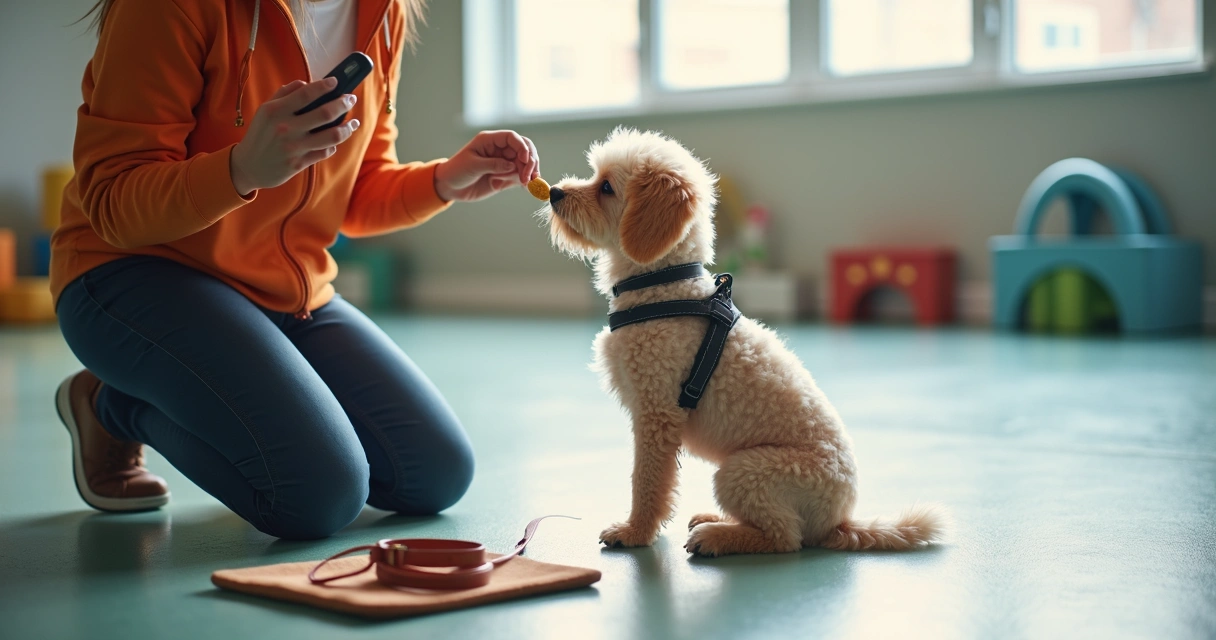
No tool is safer or more effective than a positive reward. Clickers (for those who enjoy using them), high-value treats, and favorite toys help reinforce the lessons small breed dogs need to thrive.
Based on young dog training attendance data, most families benefit from in-person guidance, especially with puppies. At Dogtown, our personalized training uses food rewards or toys as motivators—never intimidation or pain.
5. Mat or place training tools
Small, portable mats or beds provide a controllable, positive space for a dog to “settle” or practice impulse control. They make effective training easier both at home and out in the world.
What tools should you avoid?
After years of training advice, including at Dogtown, I always encourage people to avoid tools that rely on pain, fear, or intimidation—especially for tiny, sensitive breeds.
Devices like choke chains, prong collars, and spray or shock collars carry extra risk for small dogs, including neck injury, skin damage, and long-term fear or anxiety. In a survey of professional trainers, the overwhelming majority did not use or recommend such tools (see Canadian dog trainers).
If you think, “Will this hurt my dog if I use it wrong?”—choose something safer.
How do I choose the right size and fit?
Whatever tool you select, it’s the fit that keeps your dog safest. I always measure at least twice for harnesses and collars—around the neck, chest, and sometimes behind the front legs. If you’re uncertain, facilities like Dogtown’s day camp can help ensure a secure but gentle fit in a judgment-free space.
It’s not only about width, but also weight. Lightweight is best. Heavy hardware on a Yorkie is like putting a hiking pack on a toddler.
Pairing safe tools with good routines
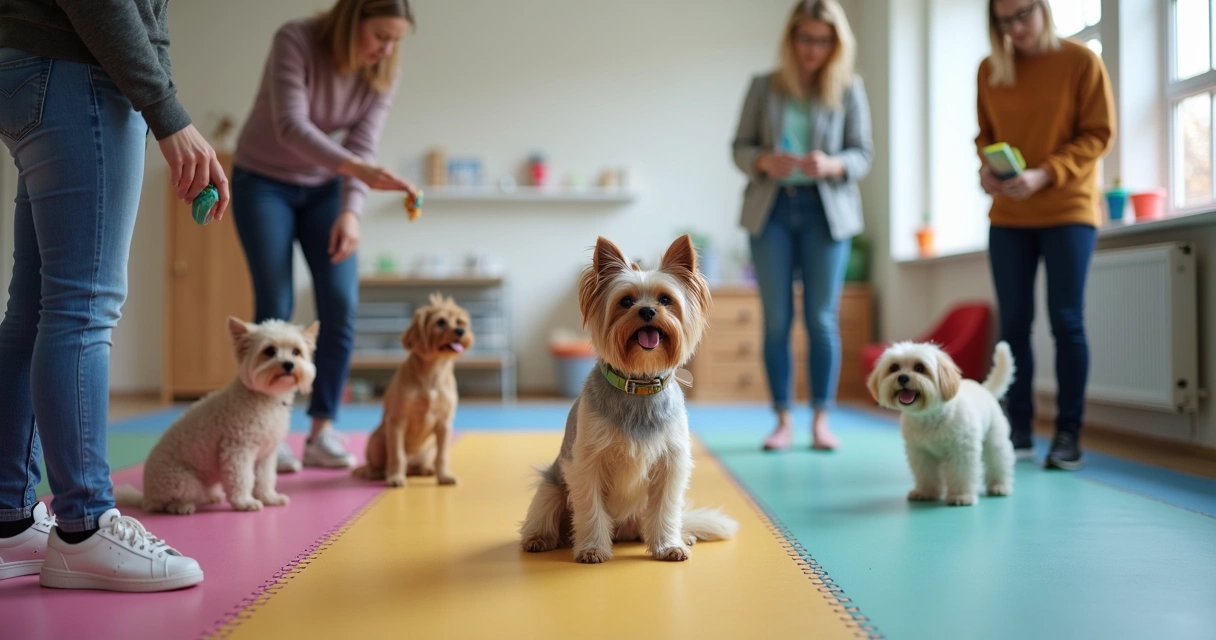
Even the safest tool won’t work if your training routine is inconsistent or too harsh. Studies also reveal that few owners turn to books for guidance, but those who take classes get better outcomes for their dogs (see survey on training resources). At Dogtown, we support ongoing coaching, feedback, and group training with safe tools—not only to build skills, but to help pets and owners trust each other again.
Extra perks: Daycare, boarding, and grooming for small breeds
A small dog’s well-being doesn’t end with training tools. I see owners benefit from combining safe socialization and daily routines at trusted facilities. Services like daycare and boarding give dogs extra outlets, while grooming ensures comfort and health. All these play together for safer, happier experiences.
Trained handlers, like those certified at Dogtown, receive special education in dog wellbeing, safety, and body language, as shown by dog intervention program data. This education means staff know how to spot signs of stress, fit tools properly, and intervene to prevent injuries.
Conclusion: The right approach and support make all the difference
Small breed dogs thrive with positive, tailored tools that safeguard their physical and emotional health. In my experience at Dogtown, the safest solutions always blend gentle equipment, positive rewards, and guidance from skilled trainers.
Whether you’re just starting your dog’s journey, or you’re ready to build even better habits, choosing trusted support and humane tools will lead to a happier pet and fewer worries for you. I invite you to schedule a free pre-enrollment assessment and see first-hand the care we provide. Discover how the right tools and support can help your small dog learn, grow, and shine.
Frequently asked questions
What are safe training tools for small dogs?
For small breed dogs, safe training tools include well-fitted harnesses that distribute pressure across the chest, lightweight flat collars for ID tags, simple leashes (4-6 feet), positive reinforcement rewards like treats and toys, and portable mats for “settle” training. Pain-free and stress-free tools built for their size help keep small dogs healthy and confident.
How do I choose the right tool?
Start by measuring your dog to ensure any collar or harness fits snugly but gently. Choose materials that prevent chafing, avoid anything with sharp or heavy hardware, and consider your dog’s specific temperament. If you need help, ask a professional at a facility like Dogtown or schedule a fitting session—this support is often included in personalized training packages.
Are harnesses safer than collars?
Yes, for most small breed dogs, harnesses are safer than collars when walking or training on leash. Harnesses protect sensitive necks and reduce the risk of injury. Collars are best for holding ID tags or for very light activities, never for leash corrections.
Where to buy small breed training tools?
You can purchase small breed training tools at pet stores, trusted online retailers, or through professional training centers that offer supplies as part of their services. Facilities like Dogtown often have curated equipment chosen by trainers who understand small breeds and safe fit.
What tools should I avoid for small dogs?
Avoid tools that inflict pain or deliver punishment, such as choke chains, prong or pinch collars, and electronic (shock or spray) collars. These carry a high risk of physical harm and emotional distress, especially in small, sensitive breeds. Stick with equipment designed for comfort, safety, and rewards-based training.