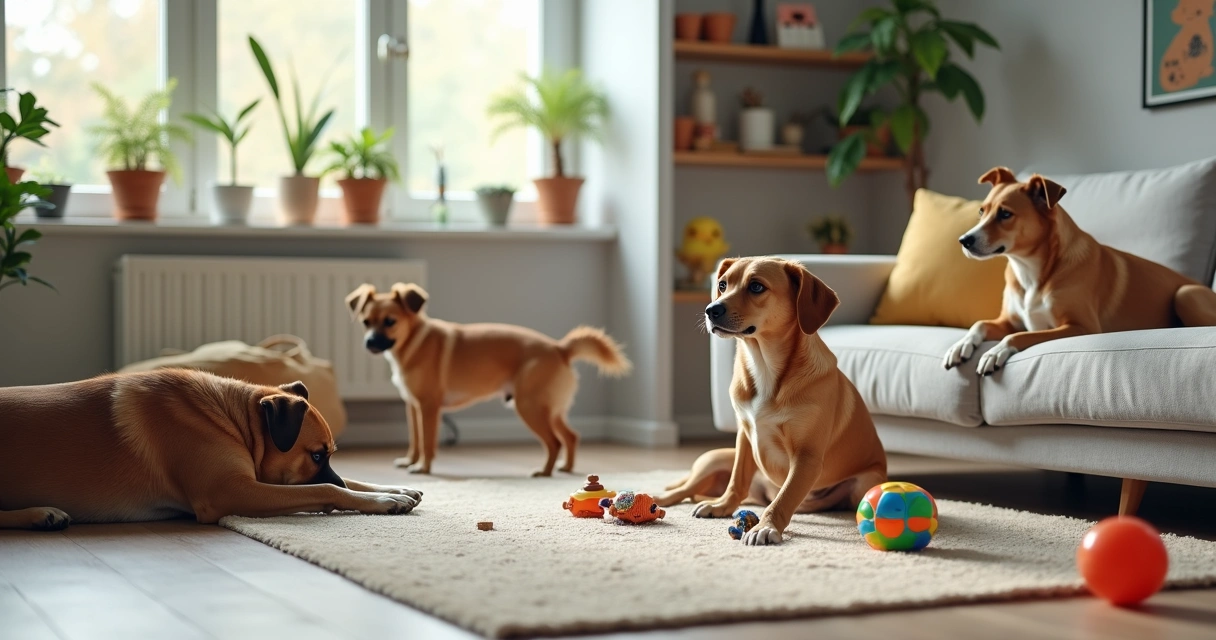
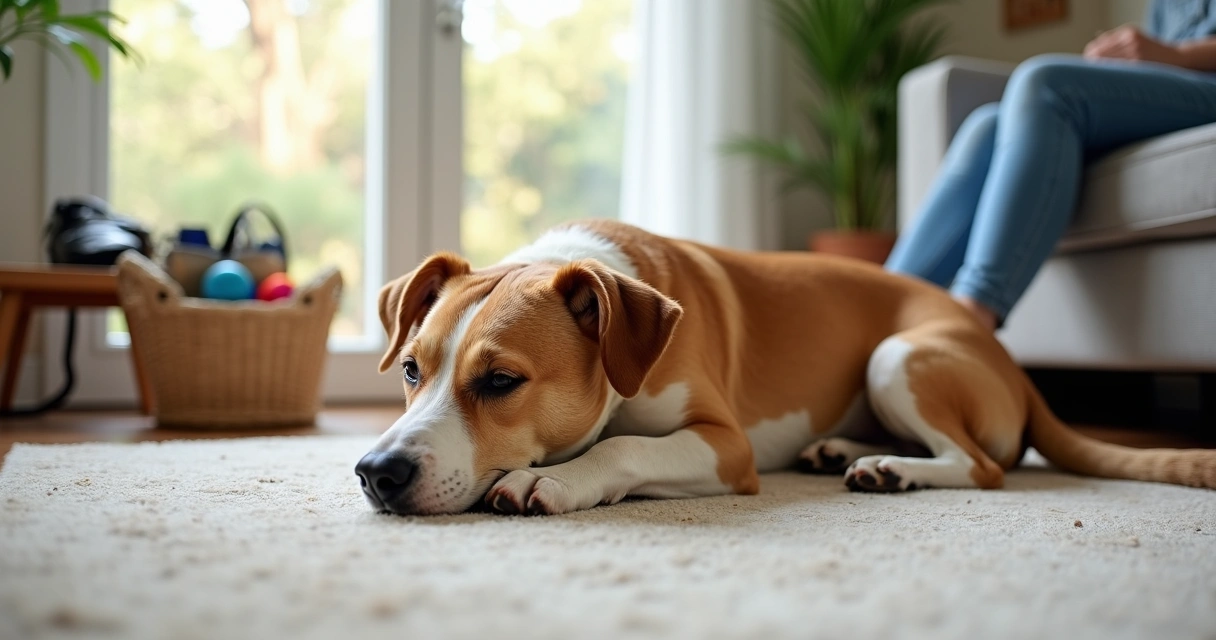
When I first considered bringing a dog and a cat together under one roof, I imagined instant playmates, or at least a polite handshake. In reality, most meetings start with cautious sniffs, fluffed tails, and a heavy dose of curiosity (or occasional suspicion). Over the years, I have learned that scent is the key to easing that first impression, transforming nerves into friendship. Based on my own experiences, science, and the guidance offered at places like Dogtown in Gloucester, here's a clear and gentle guide to introducing your cat and dog using scent.
Why scent is the language of animals
If you’ve ever watched two animals meet, you know the nose leads the way. For both dogs and cats, smell is their first and most powerful clue about a new friend (or possible foe).
Animals learn volumes about each other through scent, which carries information about age, health, mood, and more. This is why scent introduction is a natural, non-threatening way to help them get acquainted before they ever meet face-to-face. Studies cited by PubMed report that only 7.3% of puppies display only positive behavior when first introduced to cats, which means careful management is wise.
"Scent comes first—sight and sound follow."
To keep those first impressions positive, the goal is to let each pet get used to the other's scent while still feeling safe. Here’s how I guide this process.
Planning for scent introduction
Before anything else, I always set the stage for a peaceful start. The Indoor Pet Initiative at Ohio State University emphasizes the need for gradual, managed introductions for new pets, outlining that leaving animals to 'work it out' alone often leads to stress or conflict (Ohio State University). That’s why I create a stepwise plan:
- Prepare a safe space for each animal—a room your cat can call their own, or a crate and cozy corner for your dog.
- Stock up on soft cloths, separate food bowls, and treats for both pets.
- Plan for several short sessions over days, not one long encounter.
This patient approach leaves everyone feeling more secure and in control—exactly what I’ve seen during boarding and daycare at Dogtown, where a calm environment is the starting point for every meeting.
Step-by-step scent swapping routine
Now for the most practical part: scent swapping. My routine breaks down into several simple stages.
- Let each pet settle in their own space.
- Give your new arrival at least a day or two to get comfortable in a single room or area.
- This is especially helpful for cats, who often need more time to adjust.
- Use soft cloths to collect scent.
- Gently rub a clean washcloth on your cat’s cheeks and back, and another on your dog (avoiding areas that might stress them). Place these cloths in the other pet’s area, near their bed or feeding spot, but not directly on them.
- Swap bedding or favorite toys.
- Exchange small items, like a blanket or toy, between the two spaces. This builds further familiarity while still maintaining safe separation.
- Observe reactions closely.
- Look for relaxed sniffing, gentle curiosity, eating near the object, or rubbing on the cloth—these are positive signs. If you see avoidant or tense behaviors, slow down and repeat earlier steps.
- Gradually allow visual contact through a barrier.
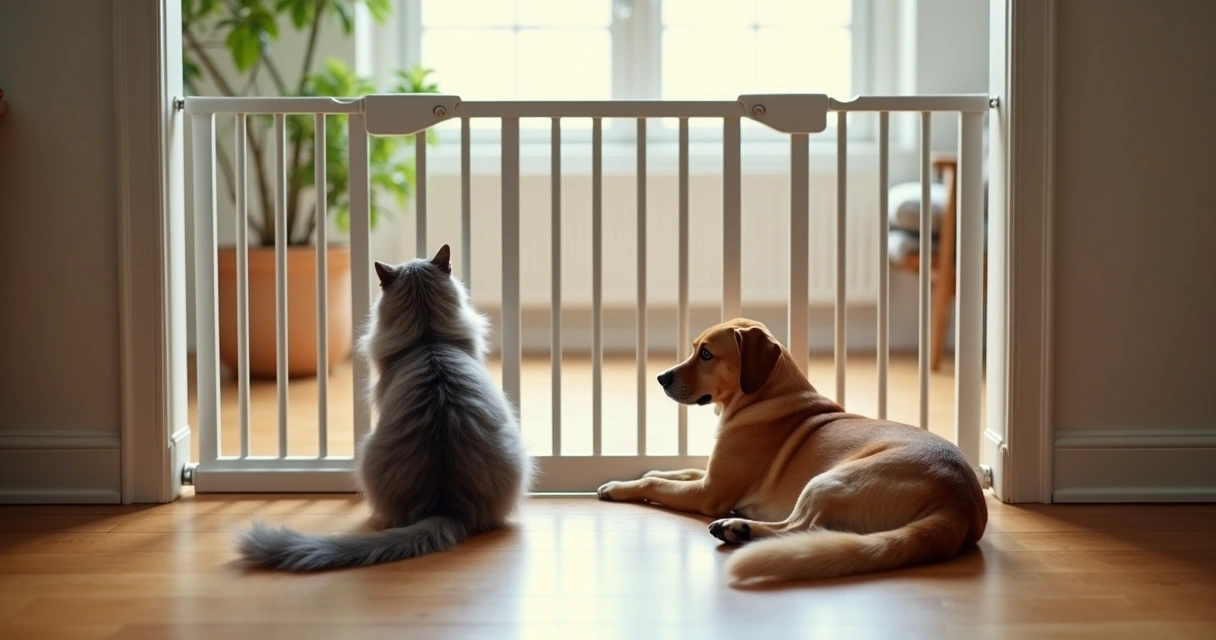
- Once both pets respond calmly to scent, let them see each other through a baby gate or a slightly open door. If either seems anxious or overly excited, pull back and spend more time with scent-only exposure. When both look relaxed, you can move forward.

In my view, the first swap is often the most revealing: sometimes cats get brave; sometimes dogs exaggerate curiosity. Most important is not to rush.
Building comfort with supervised sessions
Once your pets are calm with scent and sight, it is time for supervised interactions. I keep these early sessions short and always start with my dog on a leash. A second adult for backup is helpful but not required. Only after several stress-free meetings should you consider removing the leash and allowing a more natural interaction, always ready to separate if needed.
Positive reinforcement triumphs at this stage. Treats, soothing voices, and gentle petting help both animals learn that good things happen in each other's presence. This is also where guidance from professional trainers, like those at Dogtown’s training services, can make a difference if either pet struggles with anxiety or overexcitement.
"Calm and short first meetings work best."
Tips for encouraging calm exploration
I have seen, time and again, that respecting your pets’ personalities is key. Here are a few small ways I keep calm curiosity alive:
- Allow free scent investigation instead of direct introductions. Let your dog explore areas where the cat has walked, and vice versa, while the other is elsewhere.
- Feed treats or meals on opposite sides of a barrier. This helps your pets associate each other’s presence with something pleasant and non-threatening.
- For nervous pets, take one step back and add extra scent swaps. It’s normal for progress to be uneven.
When to seek extra support
While most pets will adapt when introductions are managed with patience, sometimes professional help is needed. If either animal shows ongoing signs of aggression, terror, or withdrawal, I don’t hesitate to involve trainers with experience in multi-pet households. At Dogtown, for example, personalized training programs and behavior correction services can make things smoother for anxious families. Guidance is available for everything from grooming appointments (which can help with shared scents) to boarding options for temporary separations when needed. Support like this, paired with the daily feedback from daycare or specialized cat grooming, provides ongoing peace of mind.
Conclusion: Lasting friendships start with scent
Scent is the safest first hello between cats and dogs. By stepping slowly, using scent swaps, and supervising every stage, I have watched many pets transform from wary strangers to relaxed housemates—or sometimes, best friends. What I love most about facilities like Dogtown is that this whole process is respected, never rushed, so animals feel joy and safety throughout.
If you’re looking to support your own dog or cat during this transition, or you want personalized training and expert advice in Gloucestershire, I encourage you to reach out to Dogtown. Their assessments and specialized care can turn introductions into a positive memory for everyone—two- and four-legged alike.
Frequently asked questions
What is scent introduction for pets?
Scent introduction is the process of letting dogs and cats get used to each other's smell before they meet face-to-face. It helps reduce stress and fear, making future meetings less tense and more predictable. By swapping items like cloths or bedding, pets start to accept each other's presence as safe.
How to introduce cats and dogs by scent?
I recommend keeping each pet in a separate space at first. Use a clean cloth to collect scent from one animal and place it in the other’s space. Swap toys or bedding, too. Only after both seem relaxed with these scents should you allow them to see each other through a door or barrier before full meetings begin. Supervision and positive reinforcement are key during every step.
How long does scent introduction take?
This can take a few days to over a week. Some pets adapt more quickly than others, especially if they’re younger or already socialized to other animals. The best rule I’ve learned is not to rush and let your pets set the pace through their reactions.
What items help with scent swapping?
Soft cloths, small blankets, toys, and bedding all work well for collecting and sharing scent between pets. Choose items your cat or dog spends time with and avoid washing them too soon. This lets the new animal's true smell come through, making the experience more authentic and effective.
What are signs of stress during introduction?
Common signs of stress include growling, hissing, backing away, flattened ears, swatting, or raised fur. Dogs may bark, whine, or pace, while cats might hide or refuse to leave their space. If you notice these behaviors, it’s best to slow down the process and repeat earlier steps.