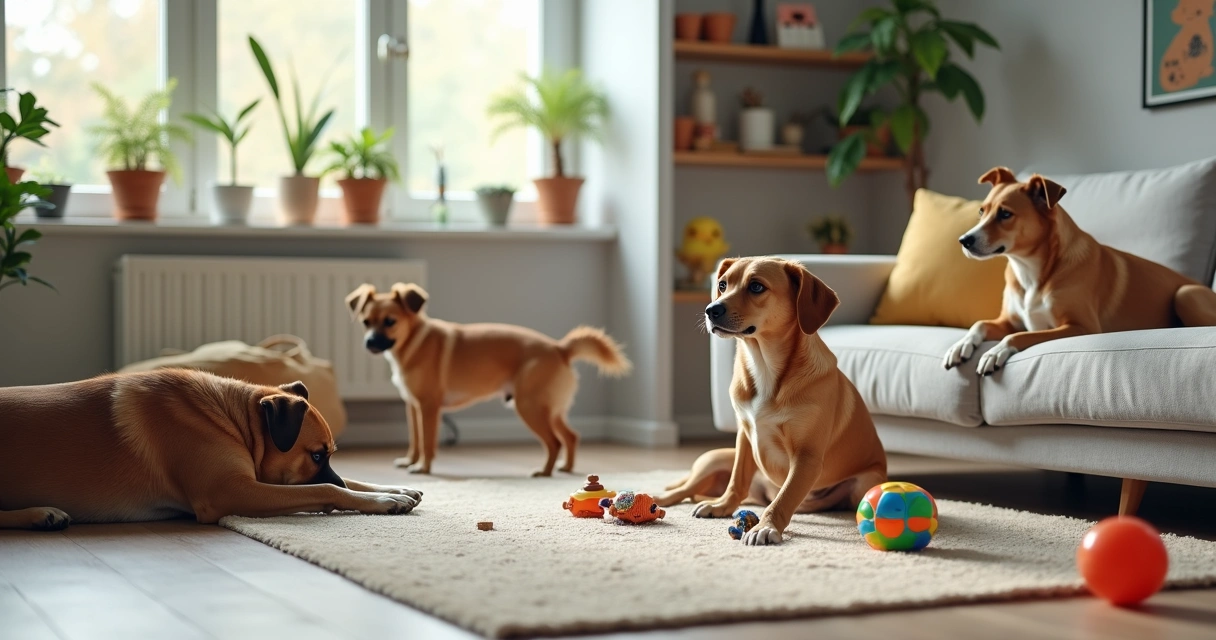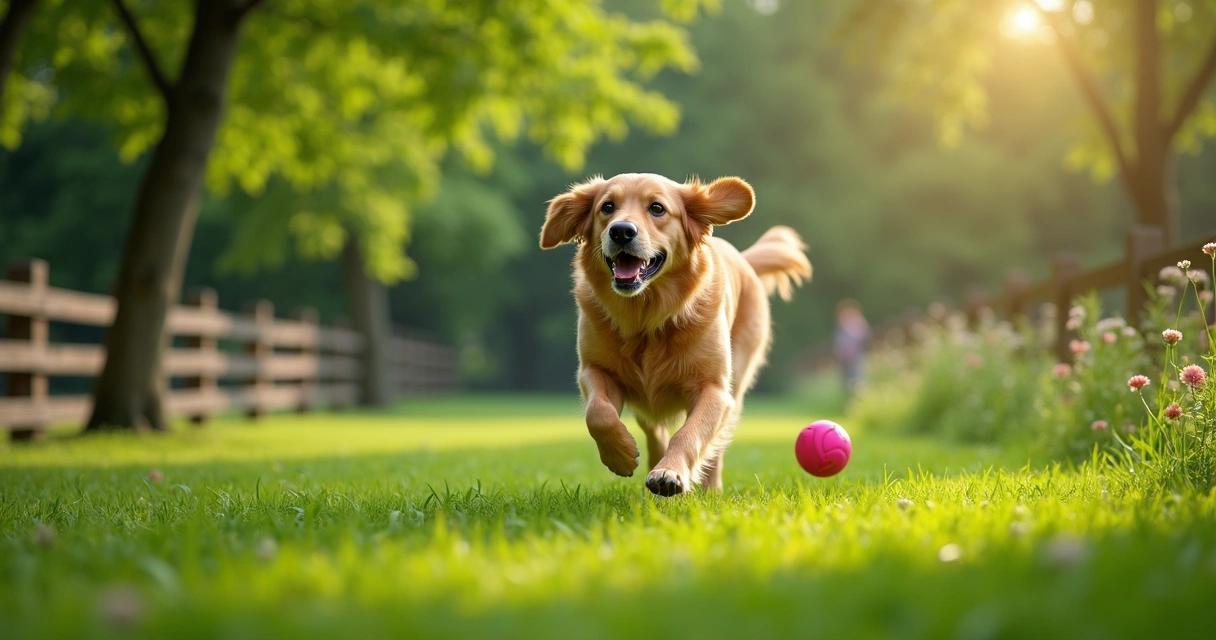
When I watch dogs interact at Dogtown, I’m always amazed by the range of personalities and the many ways they express joy and build bonds. Understanding your dog’s unique play style isn’t just fun—it helps you nurture a happier, safer, and more harmonious relationship, both at home and in social settings like dog daycare or parks.
Dog play may look simple, but beneath each wag, bounce, or pause is a window into your pet’s mood, learning style, and even their well-being. In my experience working with many canine personalities, these seven clues have helped me—and countless pet owners—judge what truly makes each dog tick.
The science behind play style
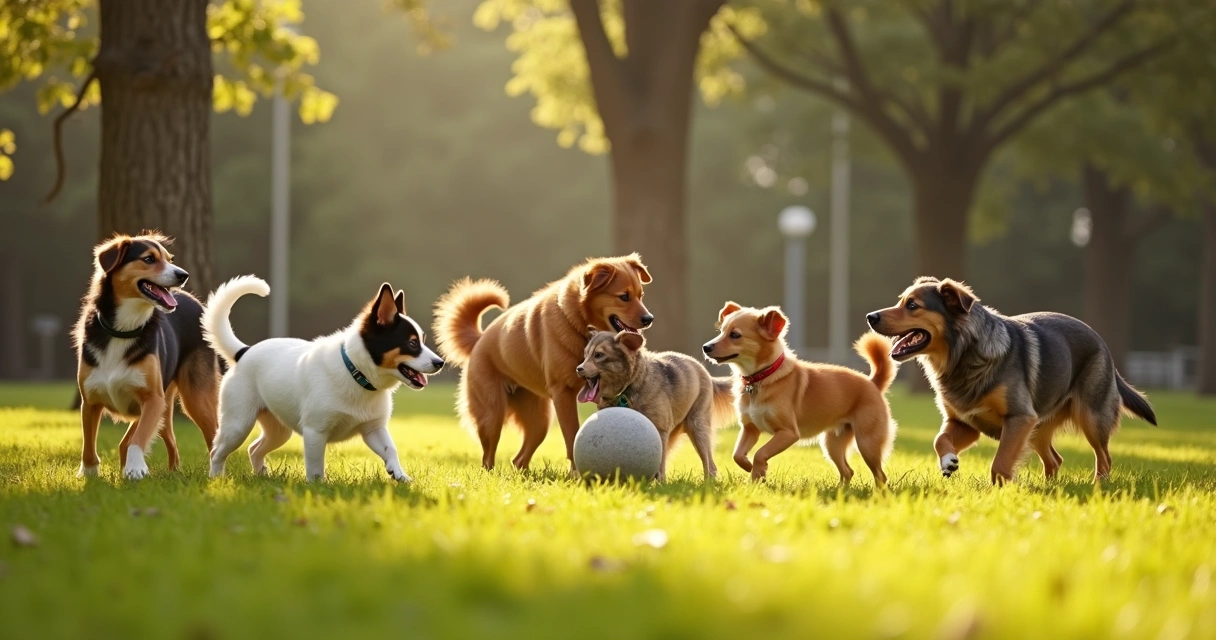
Modern research has uncovered fascinating connections between play, breed traits, and human interaction. For example, a study of dog-owner pairs identified that certain breeds show significant differences in ‘amenability’—how willingly they engage during play. Another experiment on owner attention confirmed that dogs play more enthusiastically when their favorite person is engaged and present. These insights are not just scientific—they can help every owner see their dog’s play in a new light.
Every dog plays, but every play is different.
Seven clues to your dog’s play style
Over years of daily observation at Dogtown, I've learned that these seven personality clues reveal how a dog prefers to play—and how to shape an enriching environment for them.
1. Social butterfly, or solo artist?
Some dogs leap into group play the moment they arrive, thriving on contact, chasing games, and wrestling with their friends at daycare. Others might find a quiet spot or stick with a favorite toy, even in a crowded environment. This single trait often derives from both breed tendencies and unique upbringing.
- Social players seek out interaction with other dogs or people.
- Independent players show little interest in group games, preferring toys or simple exploration.
Dogs who seek out social play often adjust more quickly to new environments like day camps or boarding settings.
2. Body language says it all
I've noticed the signs: a loose, wiggly posture signals a dog that’s comfortable and open to friendly play, while stiff legs and intense stares can be a warning.
- Play bows (that classic stretch with the rear up and chest down) invite others to join.
- Soft eyes and open mouths are signs of contentment.
- Raised hackles, pinned ears, or slow movements may signal uncertainty or stress.
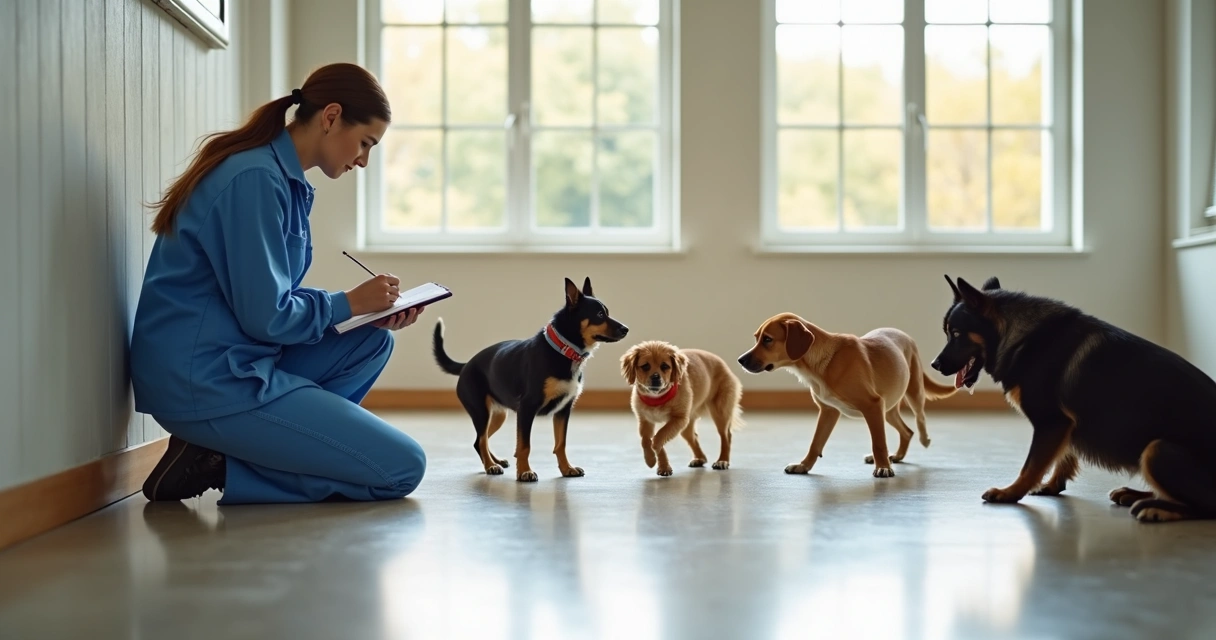
If your dog holds back or often takes breaks, respect their pace. At Dogtown, we always monitor play groups and adjust for any dog who needs a breather, ensuring a positive experience for all.
3. Rough-and-tumble or gentle games?
One of the biggest differences I see—from puppies to adults—is how physical each dog likes to get. Some bounce and wrestle with gusto, while others prefer gentle chases or “keep-away” with a favorite toy.
- Rough players enjoy wrestling, light nipping, or fast-paced games.
- Gentle players stick to tag, nose-nudges, or careful toy sharing.
It’s essential to pair playmates who match in energy and play style to avoid mismatched interactions.
4. Chaser, fetcher, or observer?
Not every dog wants to wrestle or chase. I’ve seen some who light up for a game of fetch, proudly parading their prize, while others follow the action, preferring to watch rather than join. Then there are those who invent their own solo games, flinging toys or digging energetically.
- Chasers enjoy running games and pursuit.
- Fetchers love retrieving objects and sharing them.
- Observers hang back, enjoying the atmosphere without rushing in.
This distinction helps facilities like Dogtown design activities for every temperament, making our dog daycare a welcoming place for all.
5. Responds to human cues—or makes their own rules?
A fascinating study shows dogs engage in play more actively when the owner participates. In my daily routine, I see some dogs constantly check in for approval or direction, while others run the show, inventing their own games whether anyone’s watching or not.
- Dogs who respond to humans look for eye contact, guidance, or cues during play.
- Self-directed dogs are more independent, deciding the rules and flow of play.
Participating in your dog’s play not only boosts the fun but strengthens bonds and helps your dog feel secure.
6. Confidence in new settings
Bring a dog somewhere new—like Dogtown for a day camp or boarding session—and sometimes, their play style shifts. Confident, adaptable dogs often dive in, while less secure pups may take their time, slowly warming up before joining.
I always recommend gradual introductions or a training plan for dogs who need help building confidence, focusing on positive reinforcement to encourage safer and more enjoyable play.
7. Rules of play: self-control and signals
One trait I monitor closely is impulse control. Some dogs can play for hours then calmly walk away, while others escalate quickly or struggle to read cues from their friends. According to research describing adult dog play patterns, the ability to learn social rules and signals is key for balanced interaction.
- Good self-control: takes turns, reads social cues, knows when to stop.
- Poor self-control: ignores breaks, escalates roughness, or misses calming signals from others.
Teaching basic commands, like ‘leave it’ or ‘come’, helps your dog develop valuable self-management for group settings.
Benefits beyond play: Social, emotional, and family harmony
Understanding your dog’s play style doesn’t just reduce stress at the park or on playdates. There’s real evidence it supports healthy development for both dogs and people. One large survey found that family dog interactions were linked to improved behavior in children and healthier social skills. At Dogtown, we see this every day as dogs interact, learn, and grow alongside our attentive staff and enrolled families.
For more ways to enrich your pet’s life, consider services like grooming or day camps, which also support well-being and stress relief.
Conclusion
Judging your dog’s play style opens up a deeper understanding of their happiness and confidence. I’ve seen first-hand how focusing on these clues transforms both dog and owner experiences—at home, and in structured environments like Dogtown. If you’re ready to discover activities, training, and care made for your pet’s joy, schedule a pre-enrollment assessment or visit us. Your dog’s best play awaits!
Frequently asked questions
What is a dog’s play style?
A dog’s play style refers to the unique ways they express themselves during play, including their preferences for games, level of physical contact, and whether they favor social or independent activities. Every dog combines several elements—wrestling, chasing, toy play, or gentle nudging—and these can change due to age, environment, or personality.
How to identify my dog’s play style?
To identify your dog’s play style, observe them in different settings: with people, other pets, or alone. Notice how they initiate play (bowing, barking, bringing toys), what types of games they prefer (rough or gentle), and how they respond to group environments. If you’re unsure, places like Dogtown can offer professional assessments for safe, supervised insight.
Why is my dog’s play style important?
Knowing your dog’s play style helps you keep playtime safe, build positive social skills, and select activities that match their personality. It also ensures your pet isn’t overwhelmed or bored, and allows you to foster better relationships—both at home and in group settings like daycare.
Can dogs have more than one play style?
Yes, dogs often display different play styles depending on their mood, playmates, or environment. A dog may be gentle at home but outgoing in structured daycare, or may prefer solitary play when tired but seek friends when energetic. Flexibility is normal and healthy.
What are signs of rough play in dogs?
Signs of rough play include hard wrestling, body slamming, loud vocalizations, and persistent chasing or nipping. As long as both dogs are relaxed between play bouts, take breaks, and show “play bows,” this roughness can be healthy. If one dog seems stiff, tucked, or repeatedly tries to escape, it’s time to intervene and offer a rest.