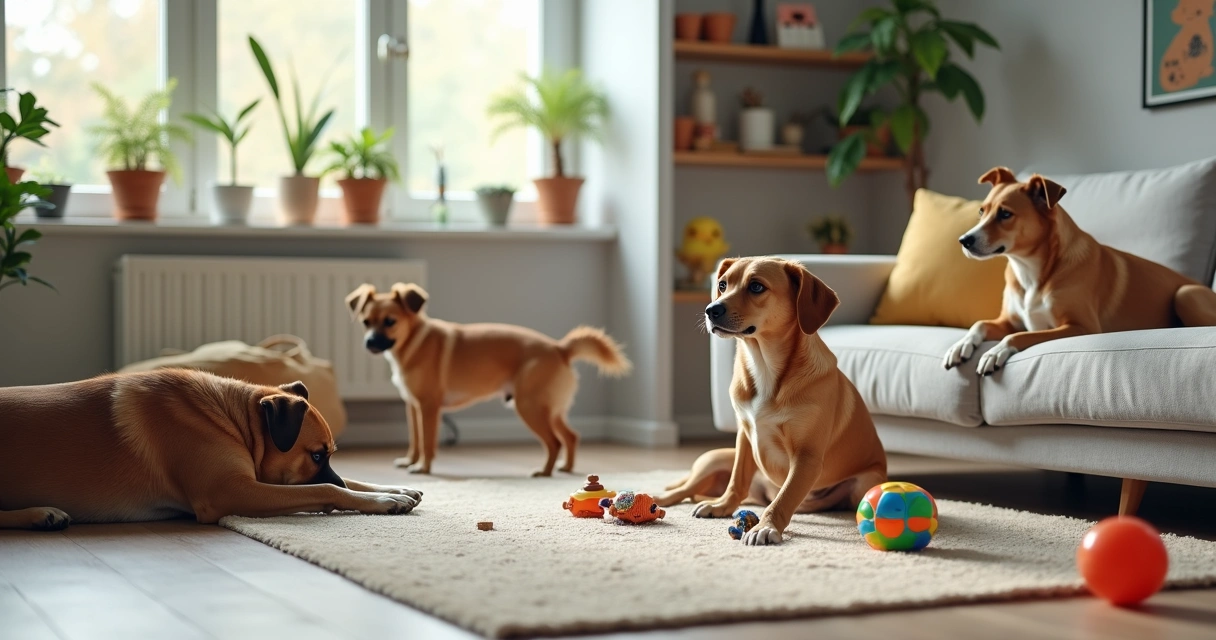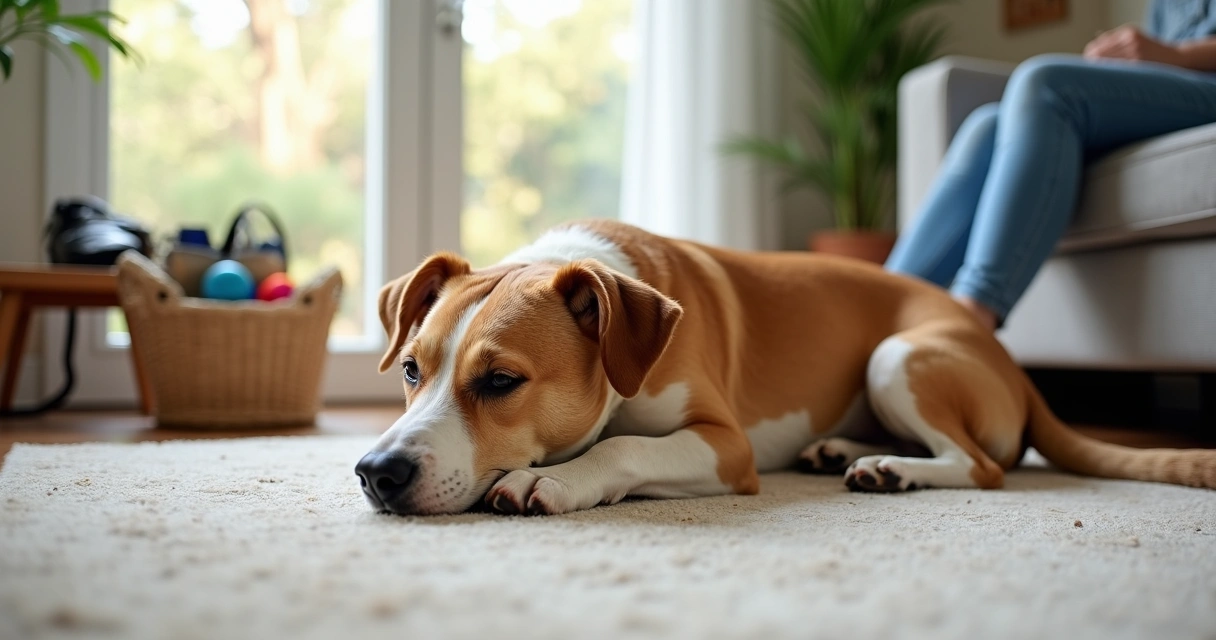
Returning home after a day at a place like Dogtown in Gloucester, MA, most dogs are a little different than when they left in the morning. Some are sprawled at your feet in seconds, while others seem to find a secret reserve of energy, running circles around the living room. After hearing similar stories from pet owners, I realized how managing post-daycare energy could be both rewarding and sometimes confusing. In this guide, I want to share what I’ve seen work, what science suggests, and personal tips developed over years of helping families and their pets adjust after a stimulating day.
Understanding why your dog is hyper (or tired) after daycare
The first thing I always ask myself when assessing any dog returning from daycare is: Is the energy I’m seeing excitement, overstimulation, or just happiness to be home? In my experience with facilities like Dogtown’s daycare program, the activities are designed for appropriate play and rest, but every animal copes differently with the excitement of a group environment.
- Some dogs experience physical tiredness but mental overstimulation.
- Others may be under-stimulated physically during the day—maybe a shy dog who picked quieter corners.
- Change from a dynamic group to the calm of home can trigger a burst of visible energy.
- After long periods of stimulation, dogs may need time to “shake off” the excitement—literally and figuratively (shake off behavior research).
- Breed, temperament, age, and previous experiences all affect how energy is displayed.
Dogs often process the social excitement of daycare differently at home, sometimes needing structure to help them relax.
What does science say about post-daycare rest and stress?
I’ve always been curious how the science aligns with what I observe. Studies have shown that dogs exposed to busy environments during the day, such as laboratory settings, tend to sleep less during daylight hours—sometimes just 6% compared to the 20–40% seen in typical home environments (Animals journal study). That’s a huge difference. If your dog seems cranky or wired after daycare, this lack of real rest could be the reason.
Yet, when dogs transition from group care to a quieter, home-like environment, their stress physiology seems to shift for the better. In one study, shelter dogs moved into foster homes experienced lower stress markers and more uninterrupted rest (research in Animals). This reinforces how recreating calm at home supports emotional recovery—even for happy, well-socialized pets.
Daycare drains energy. Calm at home recharges it.
How you can set the tone at home, right from the door
It’s natural to rush to your dog with excitement as soon as you reconnect. Over the years, however, I noticed this can amplify a dog’s energy rather than balancing it. My routine now is to create quiet moments right at the threshold.
- Keep your own greeting calm, quiet, and gentle. No jumping or squealing.
- Give your dog a chance to settle by sitting together in a quiet spot.
- Let your pet sniff and explore the familiar scents of home—this helps them reorient after group play.
- Watch for signals: yawning, stretching, or the “shake off”—small signs that energy is being released.
The tone you set in the first five minutes shapes how your dog will respond for the rest of the evening.
Creating a wind-down routine after daycare
In my experience, building a predictable, soothing routine makes all the difference for dogs bouncing back from busy days. The goal is not to suppress happy energy, but to channel it toward rest and recovery.
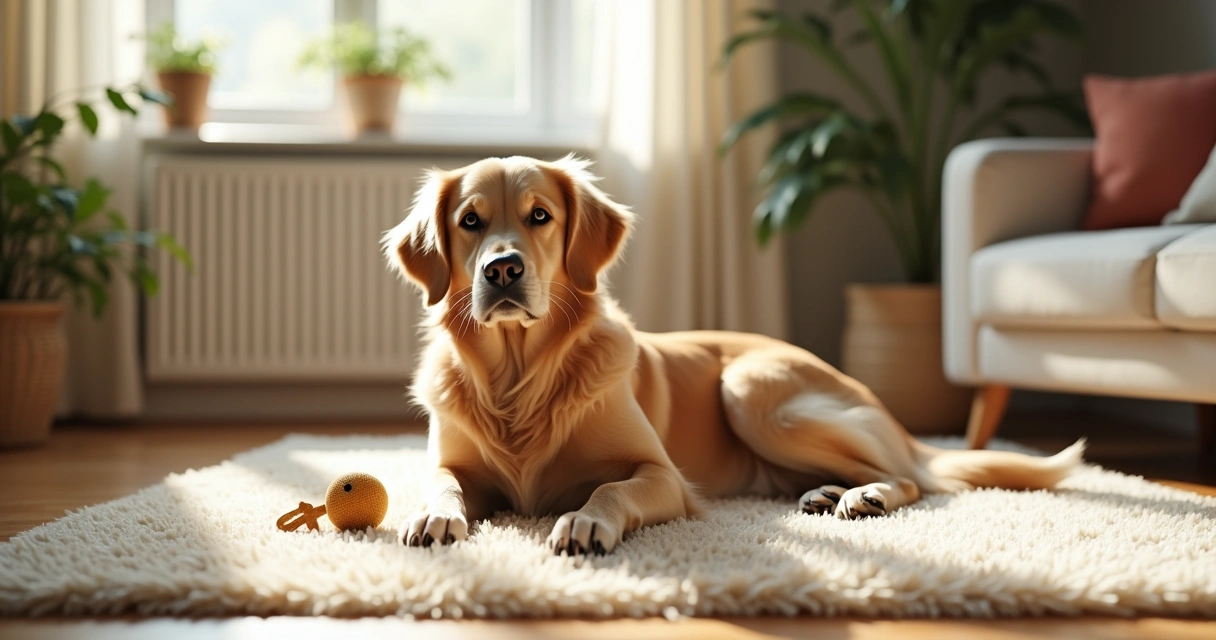
Here’s a basic flow that I follow, tweaking as needed for personality and age:
- After a quiet greeting, offer a drink of water, but limit rapid gulping to avoid tummy upset.
- Walk together to a favorite rest area. Encourage your pup to lay down and chill, rewarding calm with gentle petting.
- Keep the house environment low-key: dim lights, soft music, and voices help cue relaxation.
- If your dog insists on play, redirect with a gentle chew toy or a food puzzle. Short, calm sniffing games produce better relaxation than wild chase or tug-of-war.
For grooming needs or a quick brush-out after social play, I sometimes use this as a transitional, bonding activity (if my dog enjoys it). Facilities like Dogtown’s grooming services can help you keep up with regular maintenance, making post-daycare routines even smoother.
When to add a post-daycare walk or activity
Some pet parents assume that after daycare, more exercise is always helpful. That’s not always true. Research showed that after a stimulating environment, both dogs and humans may misinterpret over-arousal for a need for more play or walks—sometimes what the dog actually needs is rest (Animals journal data).
Still, there are cases when a short, slow walk helps a restless dog decompress. After intense excitement, many dogs benefit from a sniffy stroll where there’s no pressure to heel or perform, just gentle exploration. This often leads to relaxation and deeper sleep at night.
Observe first. Gentle movement can help, but sometimes, less is more.
Managing stress behaviors at home
On rare occasions, I’ve noticed that after group play, a dog may display stress behaviors unfamiliar to their family: pacing, excessive panting, or a reluctance to relax. These signals can mirror those observed in shelter environments, where stress-related movements like pacing or facing away from their enclosure predict longer stays (PLOS ONE research on kennel behaviors). In a home setting, these signs usually fade with reassurance, quiet routines, and time.
- If your dog seems anxious, try providing a covered bed or crate for extra security.
- Use gentle, rhythmic petting or massage to help them unwind.
- For persistent habits, structured training—such as those available at Dogtown’s personalized training programs—can help teach better coping skills and emotional flexibility.
The benefits of regular routines and support
Consistency is one thing I value most in making transitions easier, especially for sensitive or elderly dogs adjusting to new experiences like overnight stays at Dogtown’s boarding facility. If you find big behavioral swings after group play, setting regular meal, rest, and gentle exercise times creates predictability that soothes the mind and body alike.
With daily feedback and support, you can adjust routines so your dog truly enjoys the benefits of social play without becoming overwhelmed.
Making the most of your daycare experience
Working with a team that prioritizes small group play, size and temperament balancing, and individualized routines—like Dogtown’s day camp—can make the homecoming easier on both dogs and owners. I’ve seen how tracking small changes after group play, using service feedback, and communicating openly with staff can resolve energy issues before they grow.
A final word on joyful transitions
Managing your dog’s energy after daycare is about building bridges between the excitement of social play and the comfort of home. It takes observation, small tweaks, and patience—but the payoff is seeing your pet not just tired or calm, but content.
If you want help finding a routine, exploring training options, or need a facility that’s attuned to the emotional needs of pets, I encourage you to learn more about Dogtown. Schedule a free pre-enrollment assessment and discover how our tailored care can bring out the best in your pet—every day and night.

Frequently asked questions
How to calm my dog after daycare?
Calming your dog after daycare starts with a quiet and low-key homecoming. Use gentle greetings, avoid loud reactions, and encourage rest by creating a cozy, dimly lit environment. Offer a drink of water, give your dog a chance to sniff and settle, and consider soothing background music. Calm massage or rhythmic petting can also help many dogs unwind after a stimulating day.
Should I walk my dog after daycare?
Sometimes a short, slow walk helps a dog decompress, especially if they still appear restless. Focus on relaxed leash time for sniffing and exploring rather than brisk exercise. However, in many cases, the best follow-up is quiet rest at home. Observing your dog's signals can help guide you about whether a walk will help or if relaxation is what they most need.
Why is my dog hyper after daycare?
Many dogs show bursts of energy after daycare because of mental overstimulation, not lack of exercise. The change from a busy group setting to a familiar home can trigger excitement or release pent-up emotions. Some dogs need structured routines or calming activities to help them transition smoothly from the excitement of daycare to relaxation at home.
What activities help dogs relax at home?
Activities that encourage calm and gentle engagement are most effective. Try offering a chew toy or a slow-dispensing food puzzle, provide a covered bed or crate for added comfort, and play soft, soothing music. A quiet home environment, free from loud noises or rough play, supports faster relaxation after group activity.
When to worry about post-daycare behavior?
It’s time to be concerned if your dog displays ongoing signs of distress, excessive panting, pacing, or refuses to settle for many hours after returning home. Occasional restlessness is normal, but persistent stress behaviors should be discussed with your daycare provider or a training expert. Facilities like Dogtown can partner with you to create routines that address unique needs and support your dog’s emotional health.