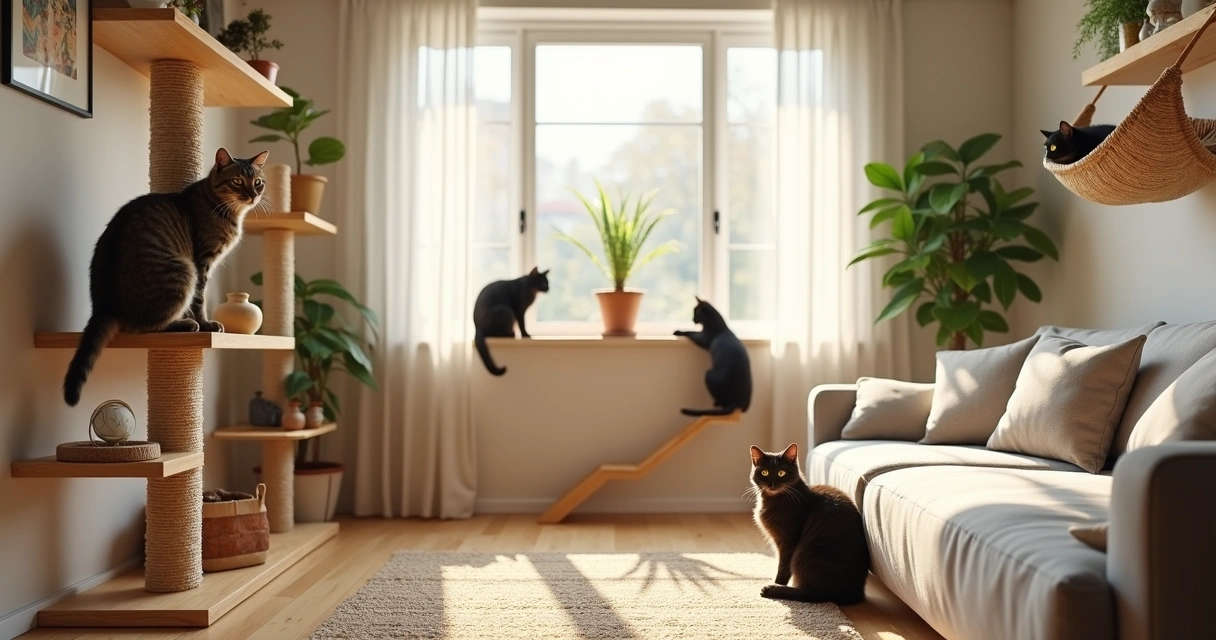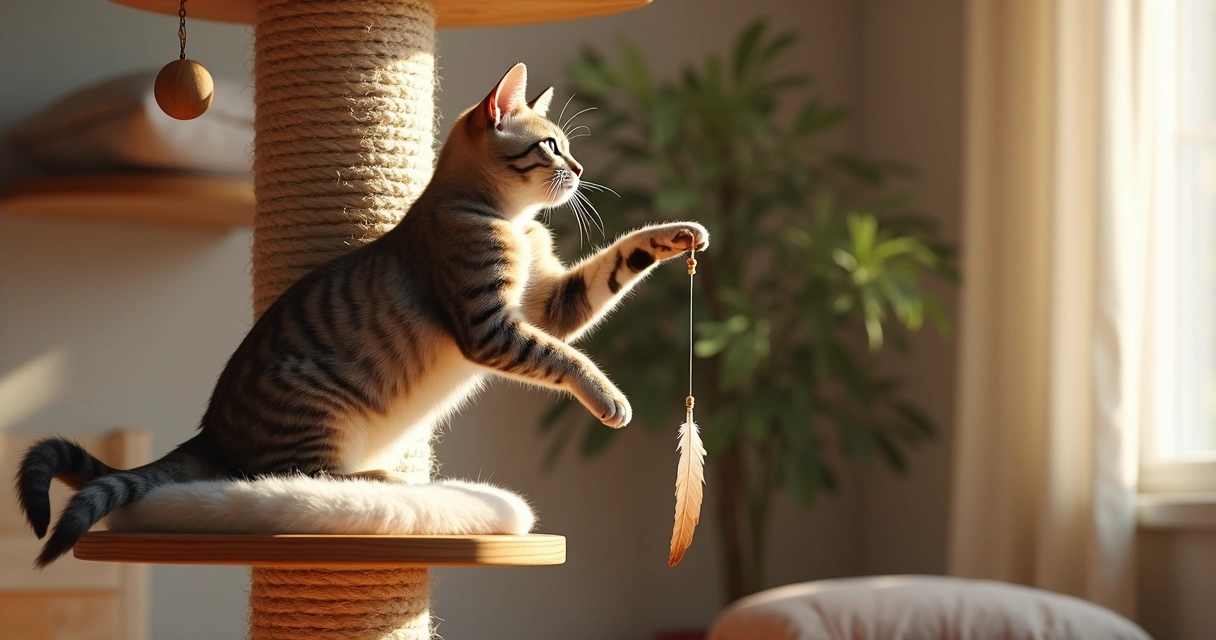
Imagine a cat strolling up a wall-mounted shelf, tail high, pupils wide, gaze fixed on an entire living room below. It’s not just play—this moment reveals something deep in feline nature. Maybe you have seen your own cat perched on the highest point, surveying the world with the air of a ruler. That’s not just for fun. Vertical spaces, especially enrichment walls, can transform the world for cats indoors. But why? And are these additions truly good for our feline friends?
Why vertical spaces matter for cats
Cats are natural climbers and observers. In the wild, their ancestors spent much of their time climbing trees to rest, escape threats, or hunt. When cats live indoors, these instincts remain. Without vertical options, boredom or even stress can creep in.
If cats can go up, they feel safer and more in control.
That’s not just a casual opinion. A study published in the National Center for Biotechnology Information highlights how indoor cats with open access to various perches show better mental well-being. Perches give them essential vantage points away from people and animals. This sense of security directly connects to a cat’s natural behavior—whether in a city apartment or a country house.
- Cats need places to climb, jump, and above all, observe.
- They also crave safety and ownership of their chosen space.
- Vertical areas boost activity, support healthy muscles, and help them relax.
Enrichment walls take this concept and place it right on your walls, often connecting platforms, shelves, and towers into a feline highway overhead. There’s something interesting about watching a cat walk above you, silent, focused, and happy. But are all cats the same when it comes to using these walls?
Different cats, different preferences
Not every cat leaps at the chance to scale new heights—at least not immediately. Age, physical ability, and personality all shape a cat’s reaction to vertical spaces. Some are brave and leap up right away. Others hang back and wait.
There’s actual research supporting this variation. A study available on PubMed looked at how cats in a shelter environment used new enrichment items. Male cats, in particular, used vertical structures more. Interestingly, the longer any cat spent in the shelter, the more they used vertical spaces, showing a growing preference over time.
This matters for cat parents. Patient introduction and encouragement are key. Sometimes, cats need time (and treats) to become comfortable with wall shelves, towers, or steps. At Dogtown, we often see shy cats watch before exploring a new perch, only to claim it as their kingdom a week later. That’s cat nature—cautious, yet curious.
Enrichment walls: practical benefits and experiences
Vertical enrichment isn't only about entertainment. It shapes a cat’s life indoors in several subtle ways:
- Exercise. Jumping, climbing, and balancing keep muscles toned. A lengthy shelf route becomes a daily workout for cats who might otherwise nap all day.
- Reduced stress. High spots allow cats to escape noise, children, or even other pets. Research shown in the National Center for Biotechnology Information details how vertical elements, like cat trees, make cats feel more secure by adding complexity and hiding options.
- Space management. Multiple cats sometimes need alone time. Vertical walls help split territory, reducing fighting or unwanted competition.
- Improved wellbeing. Less boredom, fewer destructive behaviors. Many cat owners notice reduced scratching on forbidden furniture once new climbing options appear.
Enrichment walls change the energy of an indoor room.
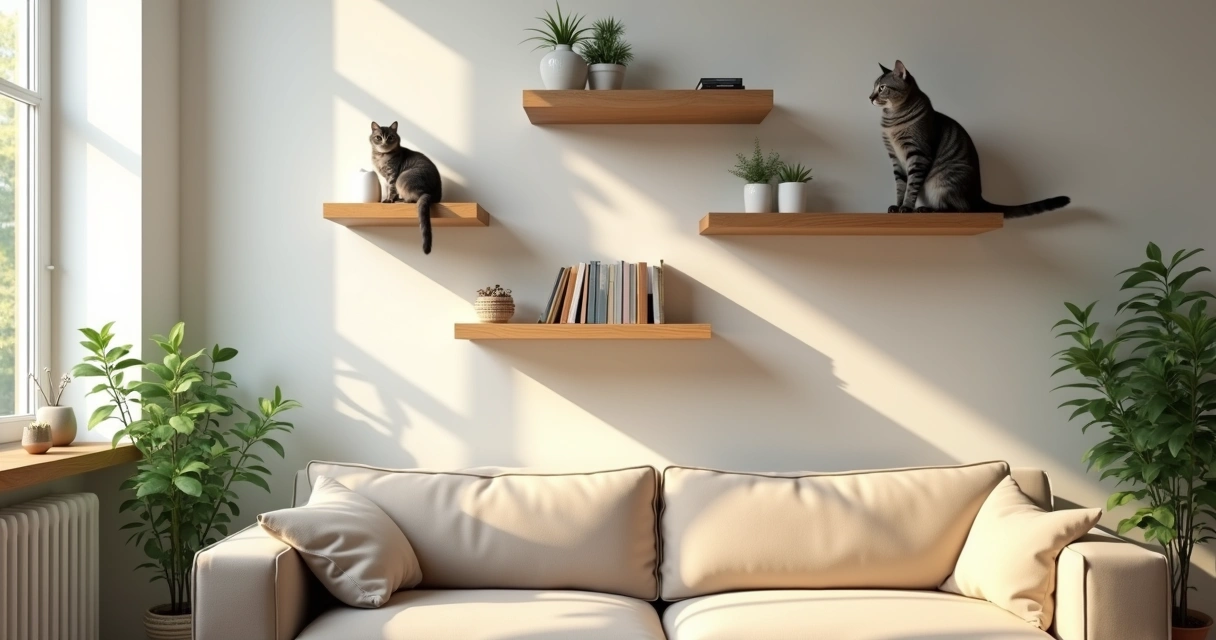
Cats who struggle with nerves or introductions to new homes seem to settle quicker with access to these spaces. Shelters, as described in this study about the Waltham cat room, found that stainless steel towers and wall units had a big impact on comfort and confidence—cats spread out, used different heights, and displayed more relaxed postures.
Building and installing vertical spaces at home
The term “pet enrichment wall” might sound complicated, but the basics are surprisingly do-it-yourself friendly. Some people buy pre-made kits; others use floating shelves, ladders, or even stable furniture. What matters most is safety and adaptability.
- Height choices: Start lower for hesitant or older cats; advanced climbers love overhead runs.
- Surface texture: Carpeted steps offer grip and comfort. Wood or laminate may feel slippery.
- Spaced layers: Allow room to jump up or down without risk of falling.
- Secure anchoring: Heavy-duty wall anchors hold even larger cats without surprise movement.
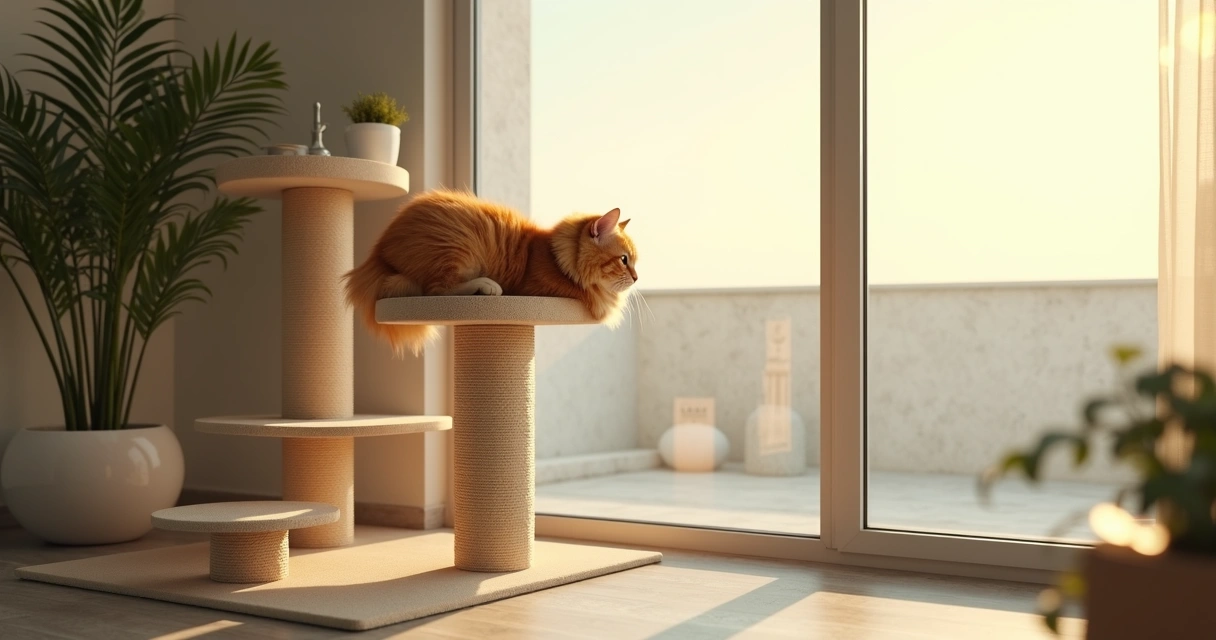
It is wise to add cozy beds or small blankets on the highest platforms. Placement near windows can double the fun. Cats love to sunbathe and watch birds, daydreaming between dozes. At Dogtown, our cat boarding suites use wall units and perches for this reason—it adds comfort and natural behaviors for visiting cats.
Longevity and maintenance
Nothing lasts forever, especially with playful climbers. Pet enrichment walls need regular checks for wear and loose screws. Replace frayed carpeting and wipe down surfaces every couple of weeks. Shelves should never wobble. Cats learn fast—if they sense uncertainty, they retreat. With consistent maintenance, these walls last years and become a permanent feature, not just an experiment.
Vertical enrichment outside the home
At facilities such as Dogtown, cats benefit from tailored enrichment even in temporary stays. Our cat grooming and day camp options incorporate vertical elements for both fun and relaxation. Climbing and lounging on high perches are daily routines, supporting both physical and emotional wellness, whether they’re there for grooming, training, or boarding.
Working enrichment into a lifestyle
After installing an enrichment wall, something small changes in daily life. You find your cat’s favorite sleeping spot isn’t the basket anymore, but the sunbeam shelf above the window. Scratching posts and climbing panels get used, and there’s a new sense of calm, especially between cats in multi-pet households. Problems with boredom or overstimulation seem to shrink.
It’s not just about products—it’s about giving cats a way to shape their space, however small or big your home is. At Dogtown, we notice how quickly confidence grows in cats who find their ‘top of the world’ perch. Whether for play, rest, or just the joy of watching, vertical spaces speak their language.
If you want to learn more, adding enrichment walls is just one way to nurture better relationships with your cat. At Dogtown, our grooming, training, and boarding services all factor in this need for natural behaviors. Why not schedule a free assessment and discover how small changes—like vertical spaces—could make a world of difference for your favorite feline?
Frequently asked questions
What is a pet enrichment wall?
A pet enrichment wall is a structure mounted on a wall, often made of shelves, perches, ladders, tunnels, and ramps, designed to encourage climbing, jumping, and exploring for pets. For cats, these walls mimic the vertical opportunities they'd find in nature. They satisfy their need to climb and perch, providing physical activity and mental stimulation. Some enrichment walls are modular for different setups, while others are custom-crafted to fit corner spaces or run along the length of a room.
Are vertical spaces safe for cats?
Vertical spaces are generally safe for cats when designed and installed with a few precautions. Key tips include making sure all shelves are firmly anchored, not too slippery, and that spacing allows for easy jumps. Some cats may need lower or ramp options, especially if they are older or have health issues. Regular checks for wear or loose fixtures are also important. Research like the National Center for Biotechnology Information study on indoor cats supports that, with proper installation, perching options are both safe and beneficial.
How do I build a cat wall?
Building a cat wall starts with planning the height, spacing, and materials. Use sturdy brackets, wide enough shelves (at least 10–12 inches), and cover surfaces with carpet or padding for grip. Arrange the shelves so cats can move up and down without large gaps. Wall anchors or studs add stability—never rely just on drywall screws. You can combine commercial shelves, sturdy bookshelves, or repurpose wood pieces. Keep in mind any physical limits your cat might have; ramps or lower platforms help if needed.
Is it worth it to install one?
Most cat owners believe it’s worth it, especially when cats are kept indoors. Enrichment walls lead to increased exercise, less boredom, and more visible confidence. Many cats quickly adopt high perches as favorite places to relax. Owners have observed reduced unwanted scratching and fighting between pets when each finds their own space. It’s not a miracle fix for every behavioral problem, but it adds a layer of comfort and stimulation that many cats crave. Based on studies such as those describing enhanced cat behavior in enriched environments (National Center for Biotechnology Information), the benefits are well-supported.
What are the best vertical cat shelves?
The best vertical cat shelves are those that blend safety, accessibility, and comfort. Look for wide, sturdy platforms with traction (like carpet or ribbed fabric), rounded edges, and smooth, secure mounting hardware. Some shelves have built-in beds or hammock options, others are simply wide ledges. The highest platforms are often favorites for resting, especially if they have sides for security. Modular systems that let you add or rearrange pieces can be a good choice for multi-cat homes. What matters most is that the shelves suit your cat’s size and your home’s wall structure.