When I first got my dog, I thought every walk was pretty straightforward. Just grab the leash, head outside, and go. But over the years—and after countless laps around my neighborhood—I noticed that small things I did (or didn’t do) really affected my dog’s happiness and health. Most dog owners want the best for their furry friends, but it’s so easy to fall into habits that cause problems without even realizing. As someone who values not just my pet’s wellbeing, but dog care in general, I believe we all benefit from paying a little more attention to how we walk our dogs.
Surprisingly, studies from the CDC, scientific research and other reputable sources show the impact regular walking has—for us and our dogs. And places like Dogtown's daycare see, every day, how proper walks make for happier, better-behaved pets. If you want your walks to be safe and positive, here are 9 mistakes I’ve noticed, made myself, or corrected for others at some point.
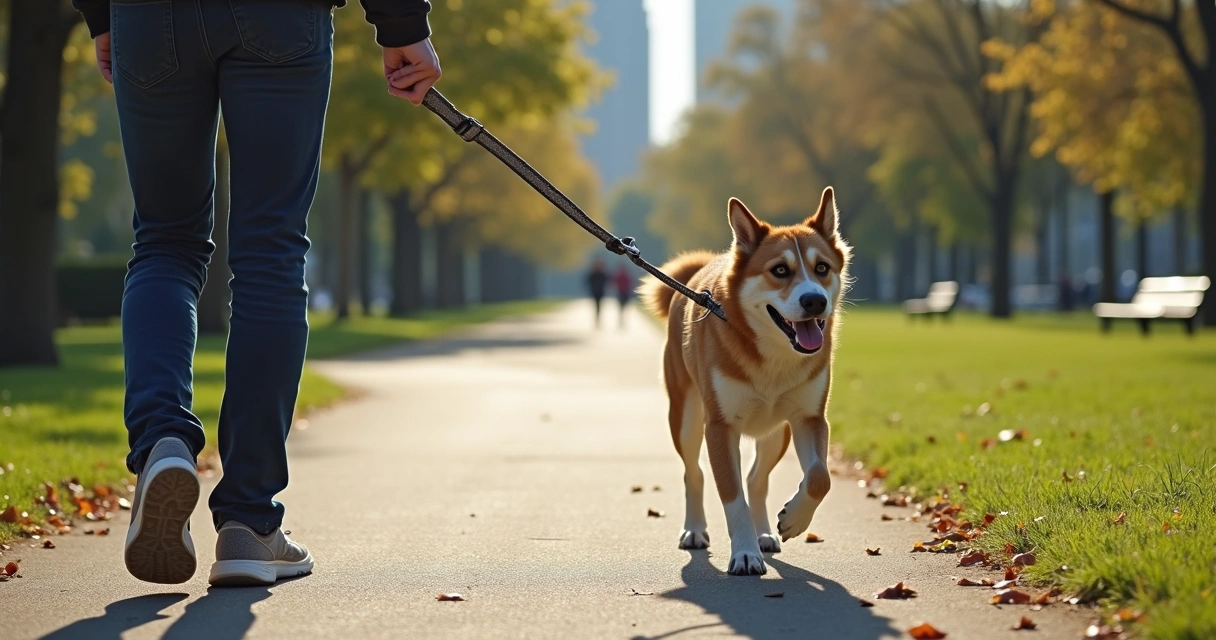
Walking your dog is about connection, not just movement.
1. Using the wrong leash or collar
It sounds simple, but the leash or collar you use makes a huge difference. I’ve seen dogs in harnesses that clearly don’t fit, or on retractable leashes in busy areas. Improper gear can lead to injuries for both dog and owner. Also, certain collars apply pressure in harmful ways, especially for small or sensitive breeds. I once switched to a flat collar for my dog, and his comfort (and my control) improved immediately.
Whether your dog is a puller or likes to zigzag, try various options until you land on something both safe and comfortable. Trainers at Dogtown help pet owners find the best fit for their animal’s size and temperament if you’re unsure.
2. Ignoring your dog’s body language
Too often, I see owners looking at their phones or walking too fast, barely noticing what their dogs are doing. Dogs communicate discomfort, stress, or excitement through body language: tail tucks, yawning, pulling away, or even sudden stops. I’ve missed these signs before, especially on distracted days, and learned the hard way when my pup started to feel overwhelmed.
Paying attention to your dog’s cues is the first step to safe, happy walks.
3. Skipping regular walks
Lack of consistency is a big one. Skipping walks (or only providing quick bathroom breaks) isn’t healthy. Evidence from scientific research suggests dogs that are walked consistently are not only healthier but less likely to exhibit problem behaviors. According to studies, regular walkers spend a median of 400 minutes per week on the activity.
Even if you’re short on time, places like Dogtown’s day camp offer structured play and exercise so your pet doesn’t miss out when you’re busy.
4. Rushing the process
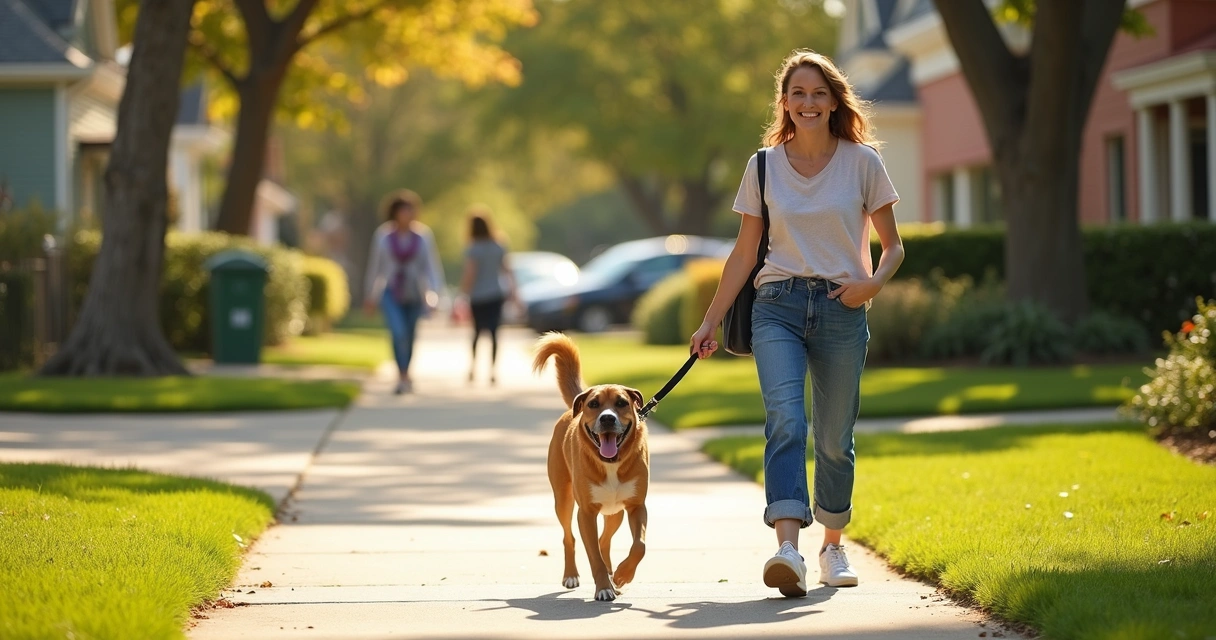
Sometimes I walk faster because I’m tired, or it’s cold, or I just want to get home. But rushing leads to missed sniffing spots and less enrichment for my dog. Dogs explore the world through scent, and this is a key part of their daily routine. If I notice my dog investigating a tree for a few extra minutes, I try not to pull him away.
A walk for a dog is a journey for the nose, not a race for the feet.
5. Not training proper manners
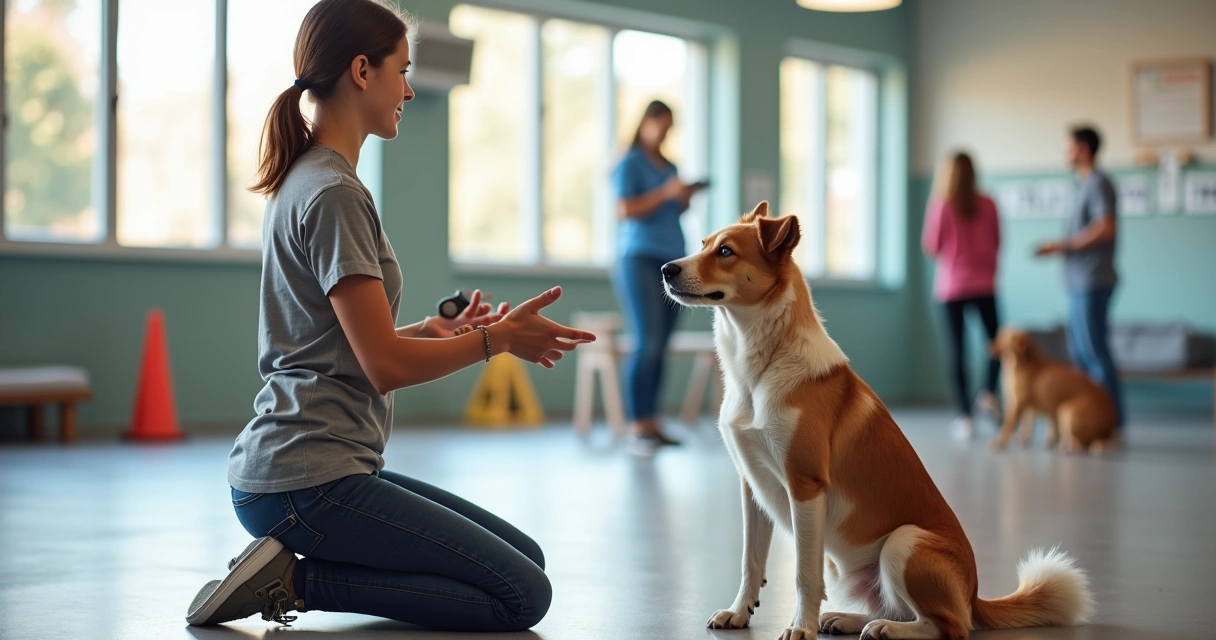
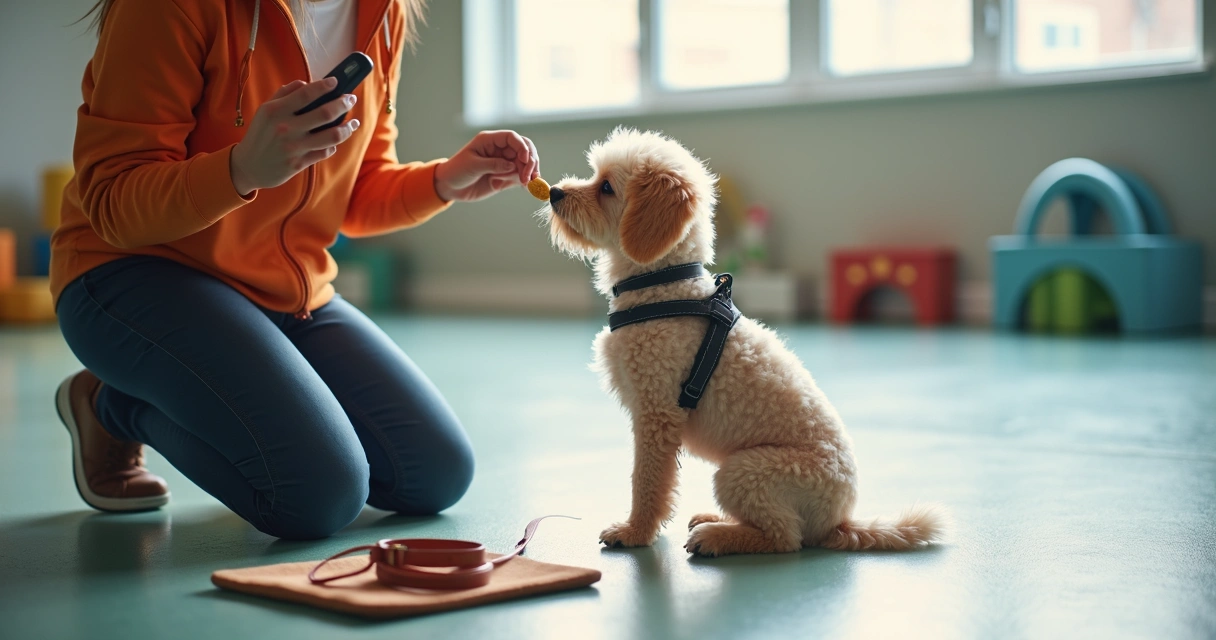
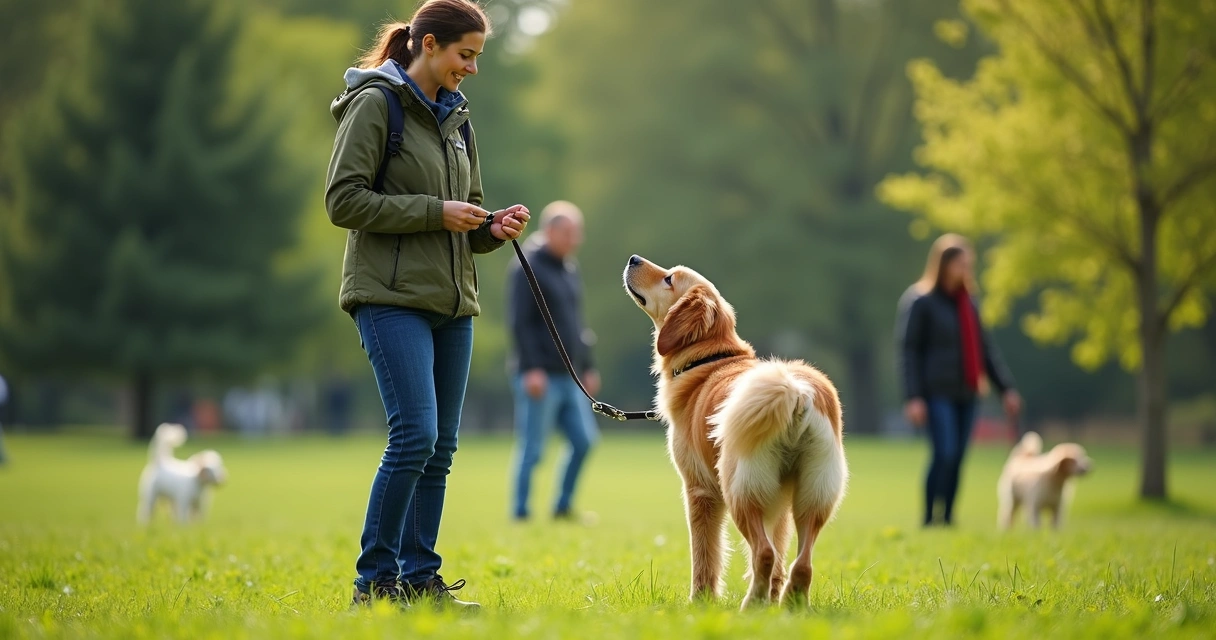
Pulling, barking, lunging—or just dragging you down the street—are common when training gets skipped. I remember how embarrassed I felt when my dog barked wildly at another pet, and I knew I’d avoided basic leash training. Programs like those at Dogtown focus on cues like “heel,” “leave it,” and walking without pulling, making walks safer and more enjoyable.
- Practice “sit” and “stay” at every curb.
- Reward walking calmly next to you.
- Use consistent cues so your dog knows what’s expected.
6. Using a retractable leash everywhere
Retractable leashes might seem convenient but can create hazards. They give dogs too much freedom near roads or in crowded areas. More than once, I’ve had to untangle myself or other walkers because of those thin, quick-moving cords. Plus, they make it harder to quickly control your dog if a squirrel appears or another dog approaches suddenly. There’s evidence from PBS News that improper leash use contributes to the rise in dog-walking injuries.
7. Not picking up after your dog
It should go without saying, but failing to pick up after your pet harms the community and your own reputation. It’s unsightly and spreads disease. When I forgot a bag once, I backtracked home to get one. It’s just good manners, and I’ve noticed people appreciate seeing responsible owners.
8. Avoiding socialization opportunities
If your dog never interacts with other dogs or people, walks can be stressful instead of fun. Sure, not all dogs want to stop and greet, and you have to know your dog’s boundaries. But completely avoiding parks or busier streets can prolong fear and reactivity. Dog socialization is part of what makes services at Dogtown so valuable, helping pets become more confident in public.
9. Forgetting seasonal needs
I’ve learned that walks change with the weather. Hot pavement can burn paws, snow and ice cause slips, and some breeds need different care depending on the season. I like to check the ground with my hand in the summer, and in winter, I’ll sometimes use dog-safe booties.
Every walk, every season, brings its own lesson.
How to make every walk better
When I think back to the changes I’ve made as a dog owner, most came from paying attention, learning from experts, and respecting my dog’s needs. I still make mistakes, but my focus is on progress. Good walks mean better behavior, less stress, and a happier household. Dogtown offers training, daycare, grooming, and even boarding, all geared toward making life with pets smoother—for you and them. For those wanting a little extra help, the grooming team is fantastic, too.
Conclusion
Every dog walk is an opportunity—not just for exercise, but for connection, training, and mental stimulation. Skipping walks or making little mistakes adds up over time. But the payoff for small improvements is huge. Regular walks give dogs better health, less anxiety, and bring more joy into your home. If you want to create better experiences for your pet, or simply free up time or energy, Dogtown offers tailored solutions that fit your routine, your dog’s temperament, and help forge a path to happier, healthier walks. Take the next step and see how your daily routine can change for the better—schedule an assessment, or just come visit. Your dog will thank you.
Frequently asked questions
What are common dog walking mistakes?
Common dog walking mistakes include using the wrong leash, ignoring signals from your dog, skipping regular walks, rushing, failing to train good manners, using retractable leashes in crowded spots, not cleaning up after your dog, missing social opportunities, and forgetting to adjust for the season. Each one makes dog walks less safe or enjoyable.
How often should I walk my dog?
Research from the CDC and other studies suggests that most dogs benefit from being walked at least once daily, with ideal routines involving 5-6 walks per week, totaling 93–109 minutes. The best frequency for your dog may depend on breed, age, and energy level.
Why shouldn't I use a retractable leash?
Retractable leashes can reduce control, making it harder to prevent injuries or manage sudden situations. Their thin cords can cause entanglements or even injuries, especially in busy environments. Standard leashes provide better safety and are simpler for teaching good walking manners.
What is the best leash for walking?
I’ve found that a 4–6 foot flat nylon or leather leash works best for most situations. This gives control and just enough freedom. Harnesses are often recommended by trainers for pullers or small dogs, as they distribute pressure more safely. Match the leash and harness to your dog’s size and personality for the best experience.
How can I stop my dog pulling?
Start with basic leash training, rewarding calm walking beside you. Use consistent commands and stop walking if your dog starts to pull; only continue when they return to your side. Programs like Dogtown's training classes focus on positive reinforcement which, in my experience, helps build long-lasting habits.